 English
 français
 Deutsch
 Español
 italiano
 русский
 português
 tiếng việt
 Türkçe
 Polska
 Indonesia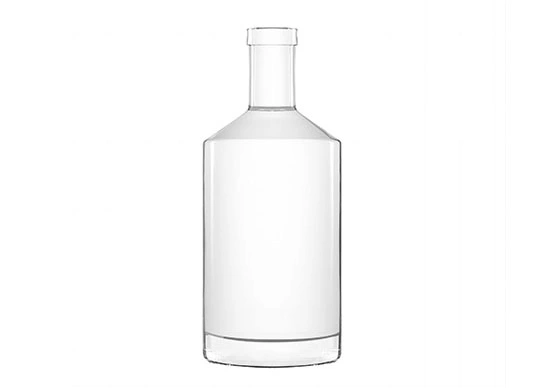
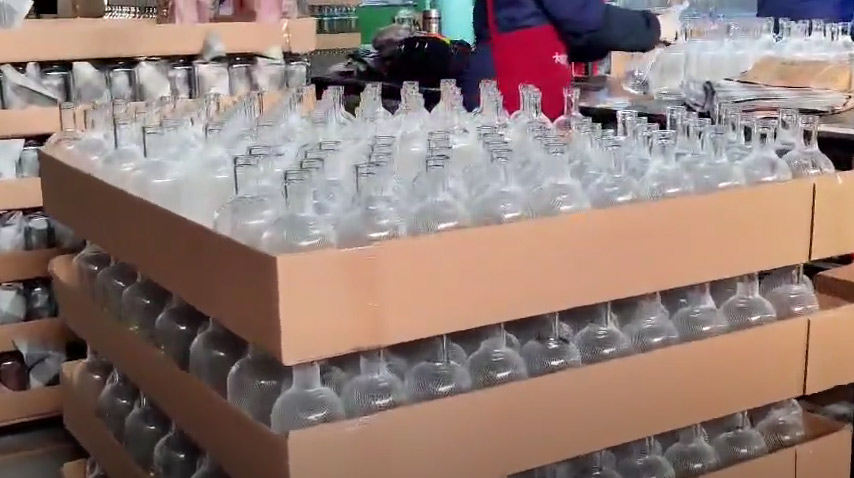
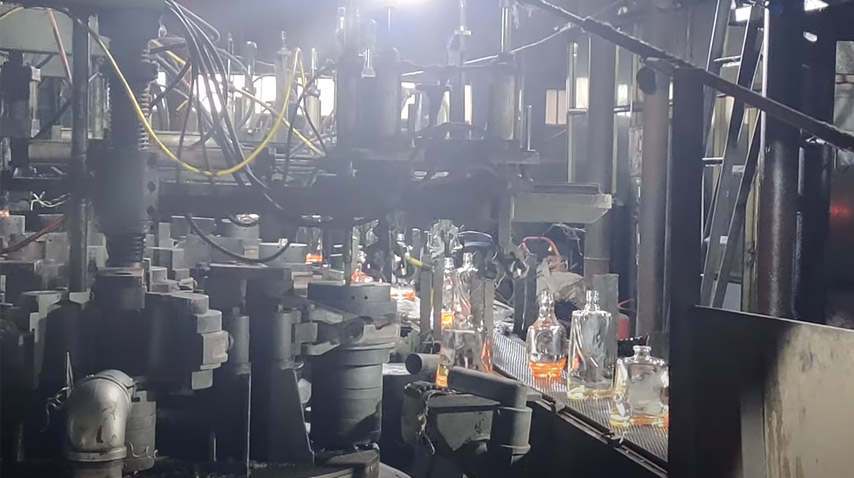
E-mail:
info@rsgbottle.com
EN

If you are sourcing rum bottles for a new brand, you already know one thing. The bottle is not just packaging. It is the first thing a buyer sees on a crowded shelf. Standard bottles are everywhere, and they rarely tell a story. That is why more rum brands now invest in custom rum bottle shapes. A unique silhouette helps your product stand out in bars, retail stores, and online listings.
But developing a truly distinctive rum bottle is not just about picking a pretty design. It involves mold engineering, glass weight, filling line compatibility, and shipping safety. In this guide, we will walk through the full process. We will also share real-world sourcing tips for overseas buyers.
Rum is a spirit with deep cultural roots. Consumers associate it with Caribbean warmth, aged character, and premium craftsmanship. A generic bottle cannot carry that story. A distinctive shape can. When buyers pick up a bottle with a unique shoulder, heavy base, or sculpted neck, they instantly perceive higher value.
Retail shelves are packed with lookalike products. A custom mold gives you legal protection too. You can trademark a distinctive bottle shape in many markets. That makes it harder for competitors to copy your look. For private label brands, unique glass is one of the fastest ways to build brand recognition.
Before you talk to a glass manufacturer, write down your brand identity. Ask yourself a few simple questions. Is your rum premium, playful, vintage, or modern? Does it target cocktail bars, duty-free shops, or direct-to-consumer sales? The answers shape the bottle.
For example, a premium aged rum may suit a heavy, square bottle with a thick base. A spiced rum aimed at younger drinkers might use a rounder, bolder shape. A private label brand for European supermarkets may prefer a classic silhouette with a custom embossed logo. Clarity here saves weeks of back-and-forth later.
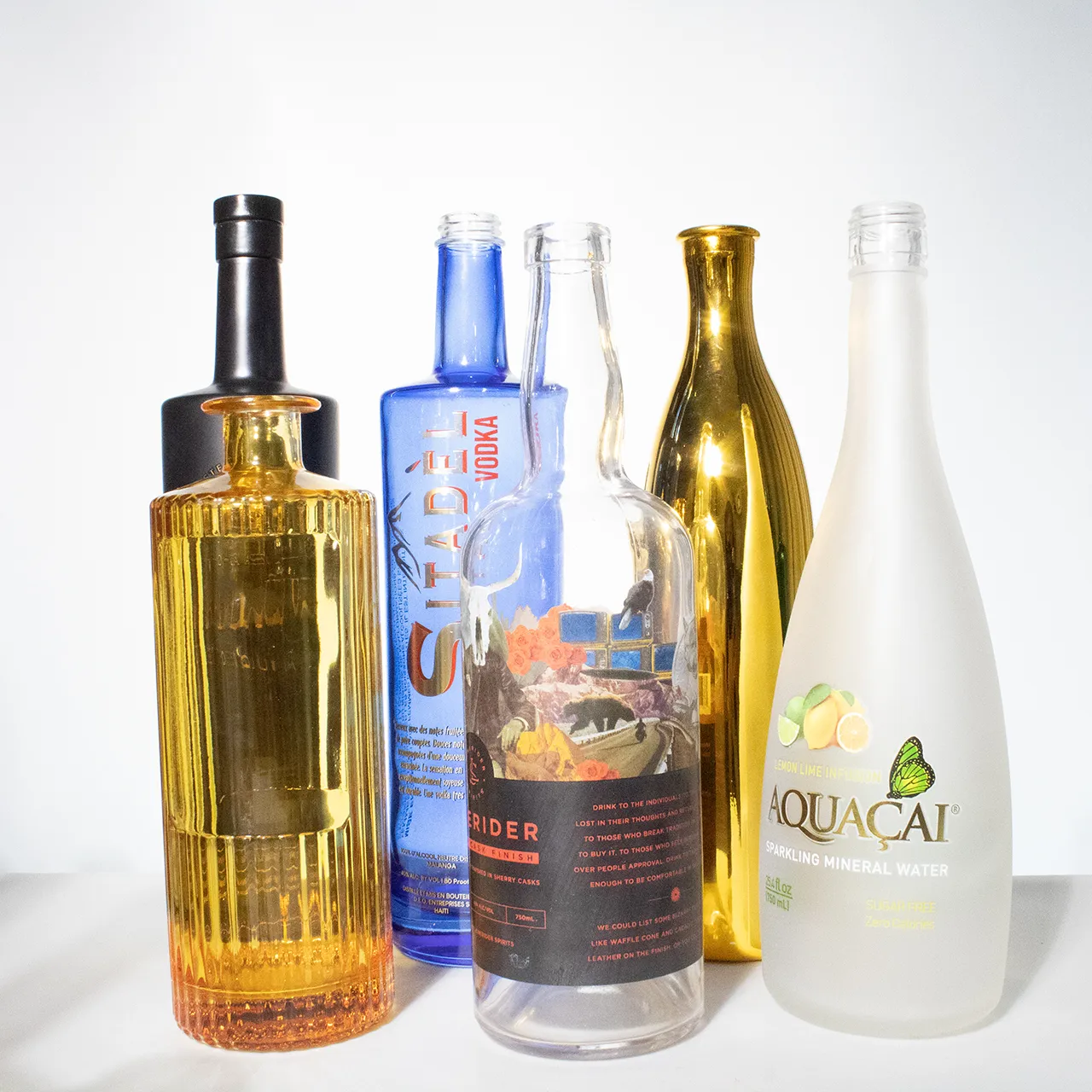
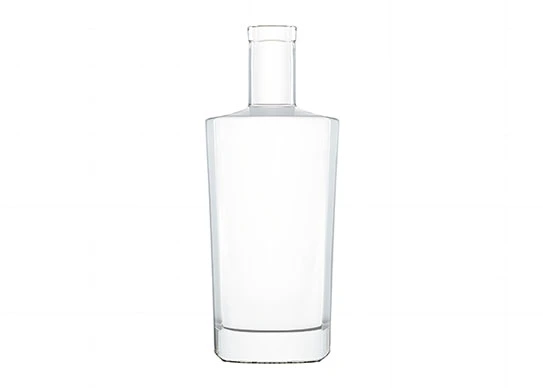
There are several common directions for custom rum bottle shapes. Each has trade-offs in cost, mold complexity, and filling line fit. Here are the main options.
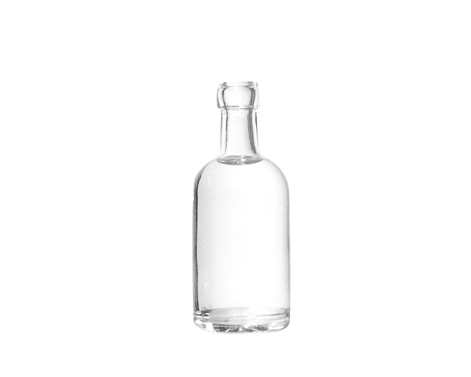
Classic round or oval bottles. These are easiest to produce and usually cheapest. They work well for value-tier rum.
Square or rectangular bottles. These offer a premium, masculine feel and use shelf space efficiently.
Sculpted or asymmetric bottles. These create strong visual identity but require more complex molds.
Heavy-base bottles. A thick glass base adds perceived value and stability.
Embossed or debossed logos. Raised or recessed brand marks add tactile quality without labels.
Most brands mix two or three of these elements. For instance, a square bottle with an embossed logo and a heavy base is a popular combination. If you need inspiration, you can review our full range of custom rum bottle shapes to see what is possible.
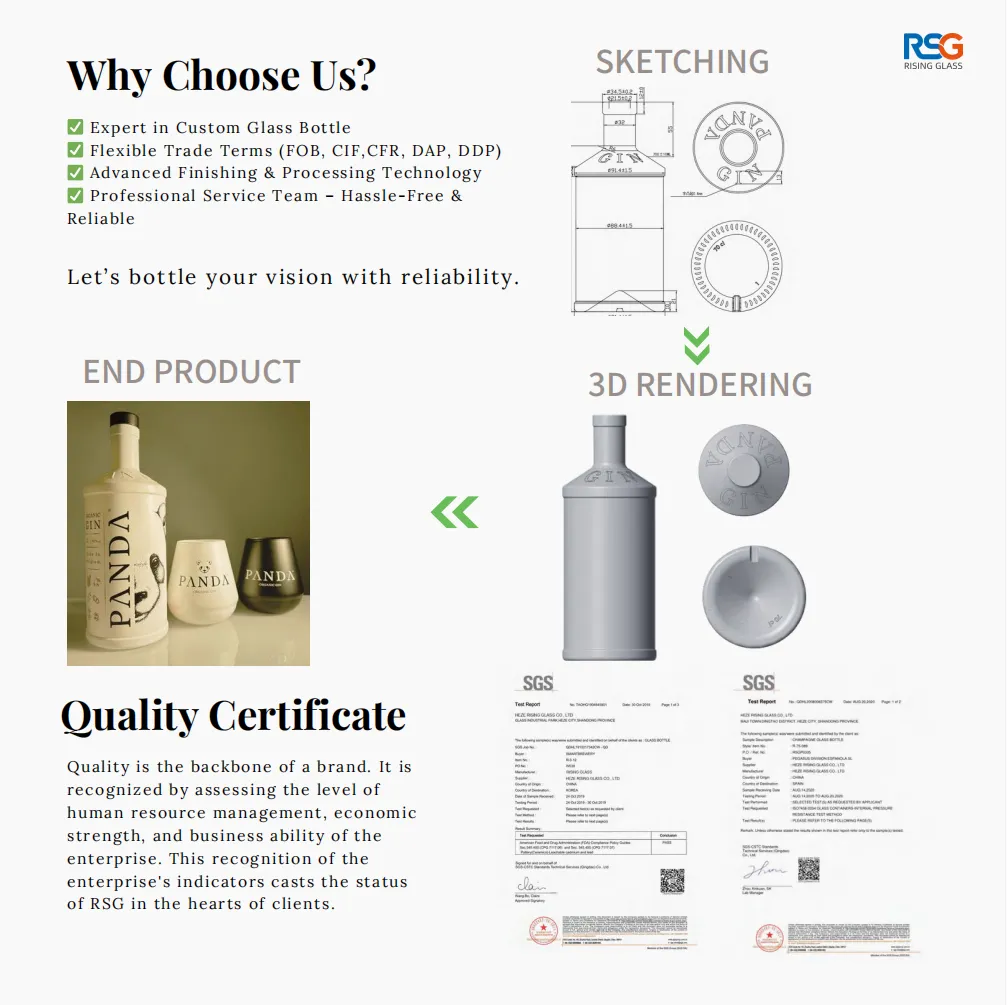
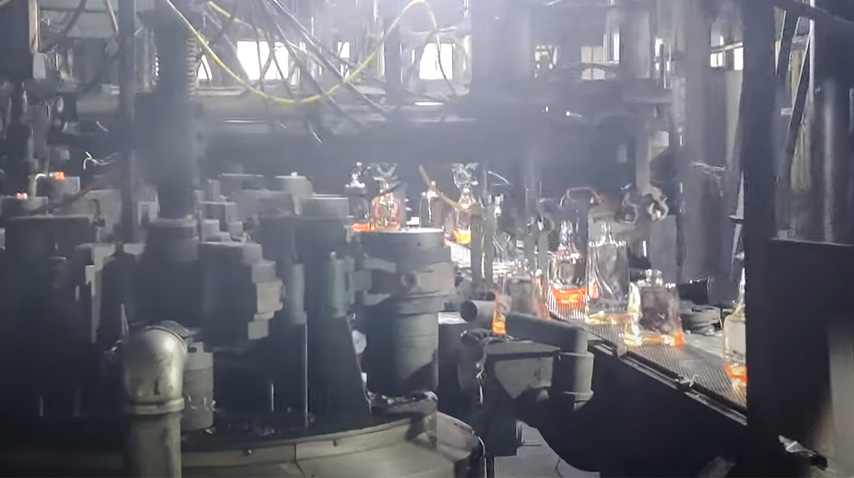
Every custom shape requires a dedicated mold. Mold cost is a one-time investment, but it can be significant. Simple round molds are the least expensive. Complex sculpted designs with sharp angles cost more. The mold material also matters. Cast iron molds last longer and suit high-volume production. Aluminum molds are cheaper but wear faster.
Tooling typically takes 15 to 30 days after design approval. You will usually receive 3D renderings and a physical sample before mass production. Always approve a real sample, not just a drawing. Glass behaves differently in real life. The weight, color, and surface texture must all feel right.
This is where many buyers get into trouble. A beautiful bottle that does not fit your filling line is a costly mistake. Before finalizing the design, confirm the bottle's neck finish, height, and diameter. These must match your capping, filling, and labeling equipment.
Key technical points include:
Neck finish. Common rum bottle finishes include GPI 30/60 and 31.5mm. Confirm your cap supplier can match it.
Bottle height and diameter. These affect conveyor rails and case packing.
Glass weight tolerance. Inconsistent weight can jam filling lines.
Vertical axis deviation. A tilted bottle causes leaking and capping failures.
Ask your supplier for a full inspection report. A reliable partner will provide neck finish gauges, capacity checks, and verticality measurements. If you are also sourcing other glass packaging, you can explore our glass wine bottles wholesale solutions for compatible production standards.
.webp "Decoration for bottle.png")
Decoration brings your custom bottle to life. Common options include:
Screen printing. Great for bold colors and simple logos.
Frosting. Adds a matte, premium look.
Spray coating. Offers solid colors or gradients.
Embossed or debossed glass. Creates a tactile brand mark.
Decals and labels. Flexible for small batches.
Metal caps and cork closures. These strongly affect perceived value.
For rum, many brands use a combination of embossed glass and a premium label. This balances cost and visual impact. If your bottle shape is complex, decoration may need special fixtures. Discuss this early with your supplier to avoid delays.
Overseas shipping is harsh. Bottles face vibration, stacking pressure, and temperature changes. Before mass production, run a transport simulation test. ISTA 3A and ISTA 6-FEDEX are common standards.
Packaging design matters too. Use dividers, molded pulp, or foam inserts to reduce movement. Confirm carton strength meets your shipping method. For sea freight, palletized loads with corner boards work well. For air samples, individual protective wraps are essential.
If you need end-to-end support, choose a supplier who offers DDP shipping and door-to-door delivery.
Custom glass is not a small-batch product. Most factories require a minimum order quantity (MOQ) of 10,000 to 30,000 units for custom molds. Some suppliers accept lower MOQs for stock shapes with custom decoration. Lead time is usually 25 to 45 days after sample approval, plus shipping time.
Payment terms vary. Common options include TT, PayPal for samples, and Wise for international transfers. Always confirm whether the mold cost is refundable after a certain order volume. Many factories offer a mold credit after the first bulk order.
Many first-time buyers make the same errors. Here are the most common ones.
First, they focus only on appearance and ignore filling line compatibility. Second, they approve a 3D rendering without a physical sample. Third, they underestimate shipping damage risks. Fourth, they forget to check bottle weight and neck finish consistency. Fifth, they choose a supplier based only on price, not on inspection capability.
Avoiding these mistakes saves money and protects your brand reputation. A good supplier will guide you through each step, not just quote a price.
Look for a supplier with experience in spirit bottles, not just generic glass. Ask for references from rum, whiskey, or wine brands. Check whether they offer in-house mold development, decoration, and quality inspection. Confirm they can provide ISTA transport testing and detailed inspection reports.
Communication matters too. A supplier who responds clearly and quickly during sampling will usually perform well during production. If you are developing custom rum bottle shapes for the first time, choose a partner who offers both design guidance and production support.
A distinctive rum bottle is a long-term brand asset. It shapes shelf presence, protects your product, and communicates quality before anyone tastes a drop. The process takes planning, but it is manageable when you work with the right partner. Start with a clear brand story, choose a practical shape, and validate every technical detail before mass production.
If you are ready to move forward, explore our custom rum bottle shapes and request a sample kit. A short conversation today can save months of costly revisions tomorrow.
Q1: Can I create fully custom rum bottle shapes, or only modify stock bottles?
A: You can create fully custom shapes with a dedicated mold. Stock bottles with custom decoration are faster and cheaper. Full custom molds usually require higher MOQs.
Q2: What is the typical MOQ for custom rum bottles?
A: Most factories require 10,000 to 30,000 units for custom molds. Some accept lower quantities for stock shapes with custom printing or frosting.
Q3: How long does mold development take?
A: Design and mold creation usually take 15 to 30 days. Sampling adds another 7 to 15 days. Bulk production follows after sample approval.
Q4: Can you match my existing cap and filling line?
A: Yes, if you share the neck finish, height, and diameter. Common rum finishes include GPI 30/60 and 31.5mm. Always request a neck gauge report.
Q5: Can I add an embossed logo or custom shape to the bottle?
A: Yes. Embossing, debossing, screen printing, frosting, and spray coating are all available. Complex shapes may require additional mold work.
Q6: Do you offer shipping and delivery support?
A: Yes. We support DHL samples, sea freight full containers, and DDP door-to-door delivery. This reduces customs risk for overseas buyers.
Q7: What should I check before approving a sample?
A: Check capacity, weight, neck finish, verticality, surface finish, and decoration quality. Also confirm the bottle fits your filling line and cap.
Q8: Can I get a mold cost refund?
A: Many suppliers offer a mold credit after a certain bulk order volume. Confirm this in writing before paying the tooling fee.
Q9: How do I start the process?
A: Send your brand brief, reference images, target market, and filling line details. Our team will recommend suitable custom rum bottle shapes and provide a quote.