 English
 français
 Deutsch
 Español
 italiano
 русский
 português
 tiếng việt
 Türkçe
 Polska
 Indonesia
E-mail:
info@rsgbottle.com
EN

Finding the right frosted gin bottle manufacturer can make or break your product launch. Many brands struggle with suppliers who promise premium glass but deliver inconsistent quality. The bottle is not just packaging. It is the first physical touchpoint your customer has with your gin. A frosted finish, screen printing, and foil details turn a simple bottle into a shelf statement. That is why more brand owners now look for a specialist frosted gin bottle manufacturer instead of a general glass supplier.
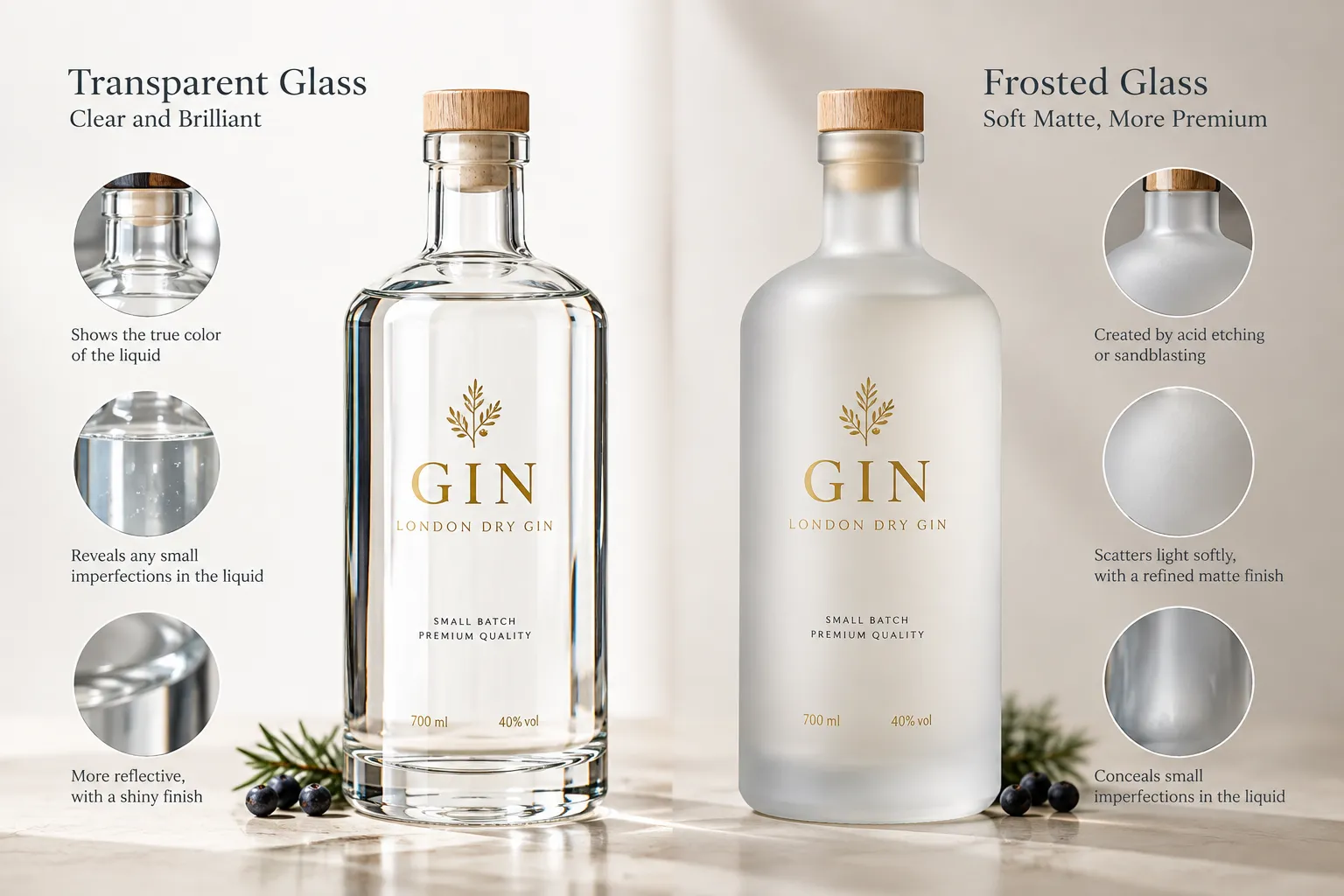
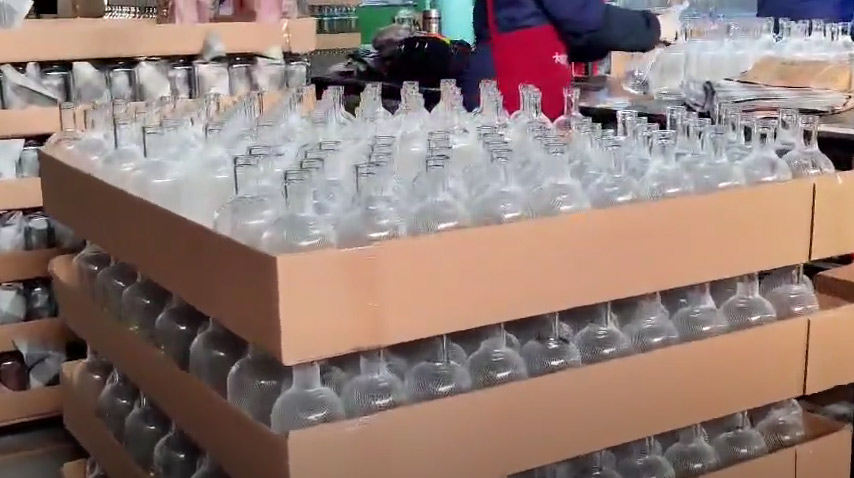
Frosted glass goes through an acid etching or sandblasting process. This creates a soft, matte surface that feels premium in hand. Unlike clear glass, frosted bottles diffuse light and hide minor imperfections in the liquid. For gin brands, this is a huge advantage. Botanical spirits often have subtle color variations. A frosted surface keeps the focus on the label and the brand story. It also reduces visible fingerprints and smudges during retail handling.
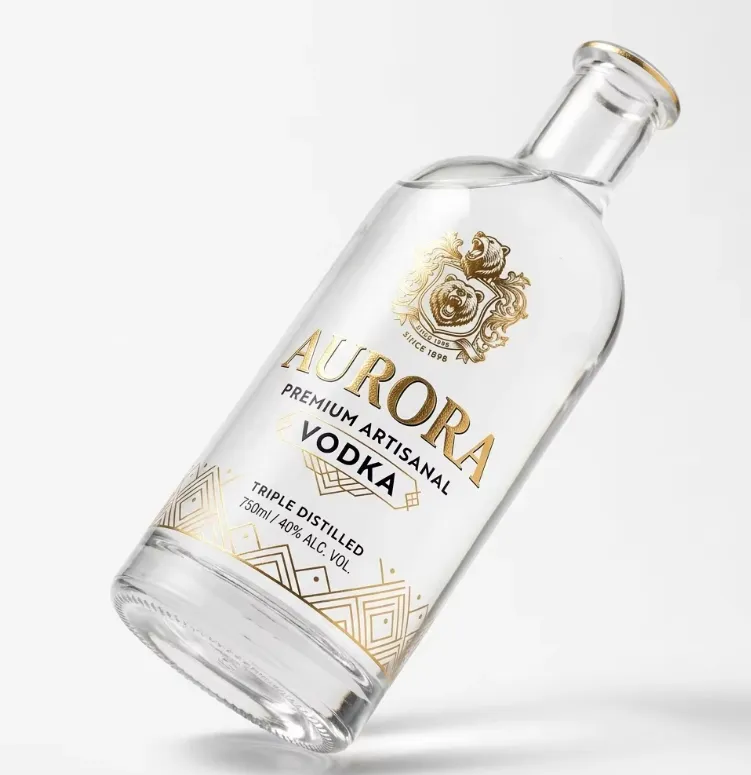
Screen printing gives you crisp, durable brand graphics directly on the glass. Unlike paper labels, screen printing will not peel or fade in a bar environment. Foil stamping adds a metallic shine that catches light on a back bar shelf. Gold, silver, rose gold, and copper foils are the most popular choices for gin brands. When you combine screen printing with foil, you get depth and contrast. A matte frosted base makes the foil pop even more. This is why many premium gin brands choose a frosted gin bottle manufacturer that offers both techniques in-house.
Many glass factories outsource decoration to third-party workshops. This adds lead time, raises defect rates, and creates communication gaps. A true frosted gin bottle manufacturer should control the entire process. That means glass forming, frosting, screen printing, and foil stamping under one roof. When one team handles everything, color matching is tighter. Foil registration is more accurate. You also get faster sampling and better production consistency. For a new gin launch, this can save weeks of back-and-forth.
Sourcing custom glass bottles overseas often comes with hidden costs. Brands report high breakage rates during shipping. They struggle with bottle mouth tolerances that do not match filling lines. Some suppliers send samples that look great but fail in mass production. Communication delays make it worse. A reliable frosted gin bottle manufacturer solves these problems with clear specs and ISTA-tested packaging. You should ask for dimensional drawings, frosting depth specs, and foil adhesion test results before placing a bulk order.
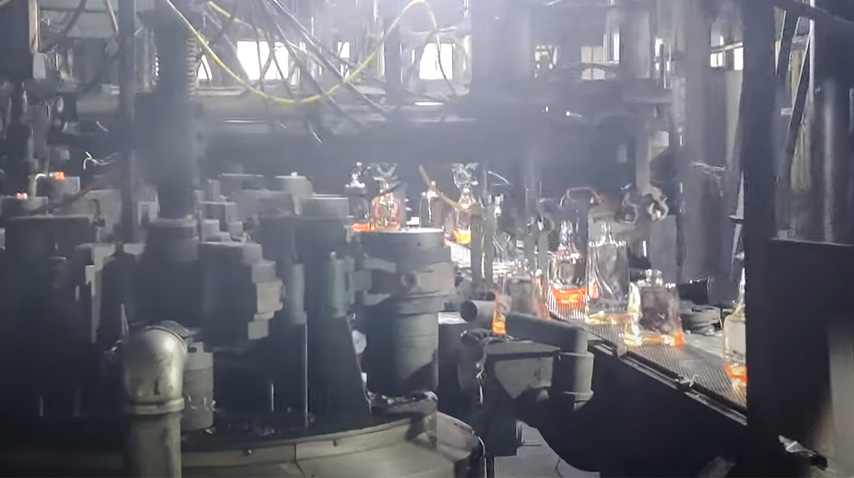
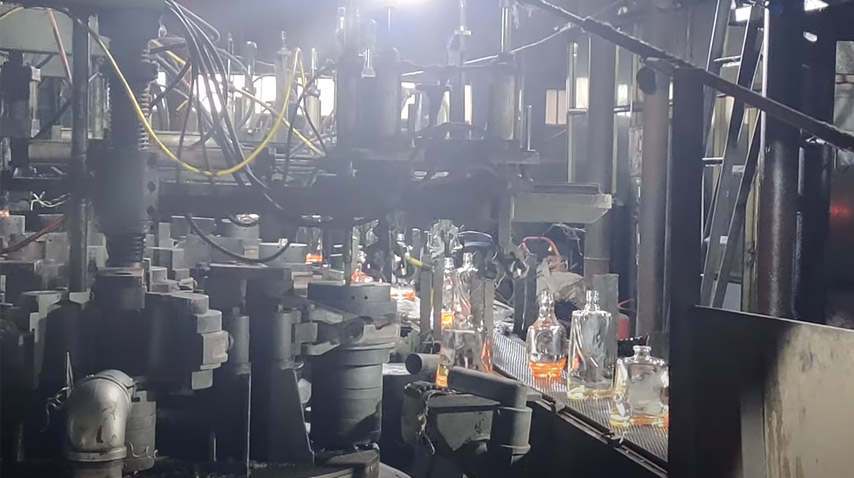
Start by checking whether the factory actually produces frosted glass or just buys it. Ask for a video tour of the frosting line. Request samples with your own artwork applied via screen printing and foil. Check the bottle mouth inner diameter and vertical axis deviation. These two specs affect filling line compatibility more than anything else. A good frosted gin bottle manufacturer will walk you through every production stage. They will also offer mold customization for unique bottle shapes. Do not settle for a supplier who cannot explain their frosting process in detail.
Standard bottle shapes work for some brands, but gin is a crowded market. A custom mold helps you stand out. Popular options include square shoulders, tapered necks, and heavy bases. You can also add embossed logos on the shoulder or base. A skilled frosted gin bottle manufacturer can guide you on mold design for manufacturability. They will advise on wall thickness, draft angles, and frosting consistency. Custom molds usually require a one-time tooling fee and a minimum order quantity. The payoff is a bottle that no competitor can copy.
Screen printing works best with one to three colors. More colors mean more passes and higher costs. For gin bottles, one-color printing on frosted glass creates a clean, modern look. Two-color printing allows for brand name plus a secondary graphic. Metallic inks can mimic foil without the cost. If you want a luxury feel, combine a single screen print with selective foil stamping. Keep your design simple. Thin lines and small text may not reproduce well on curved glass surfaces. Always approve a physical pre-production sample before mass production.
Foil stamping uses heat and pressure to transfer metallic film onto glass. It works on flat and curved surfaces with the right tooling. For gin bottles, foil is often used for logos, borders, or neck details. Gold foil on frosted glass signals premium quality. Silver foil feels more modern and clean. Rose gold is popular with craft gin brands targeting younger buyers. A good frosted gin bottle manufacturer will test foil adhesion under rubbing and moisture exposure. This ensures your branding survives shipping, retail, and bar use.
Every batch of frosted gin bottles should look and feel the same. First, check frosting uniformity and surface texture across the run. Second, inspect screen printing registration and ink coverage. Third, test foil adhesion and scratch resistance by hand. Fourth, measure bottle mouth dimensions and verticality. Finally, run a simple water leak test on a few samples. Ask your frosted gin bottle manufacturer how they keep each batch consistent. If they cannot explain their process clearly, look elsewhere.
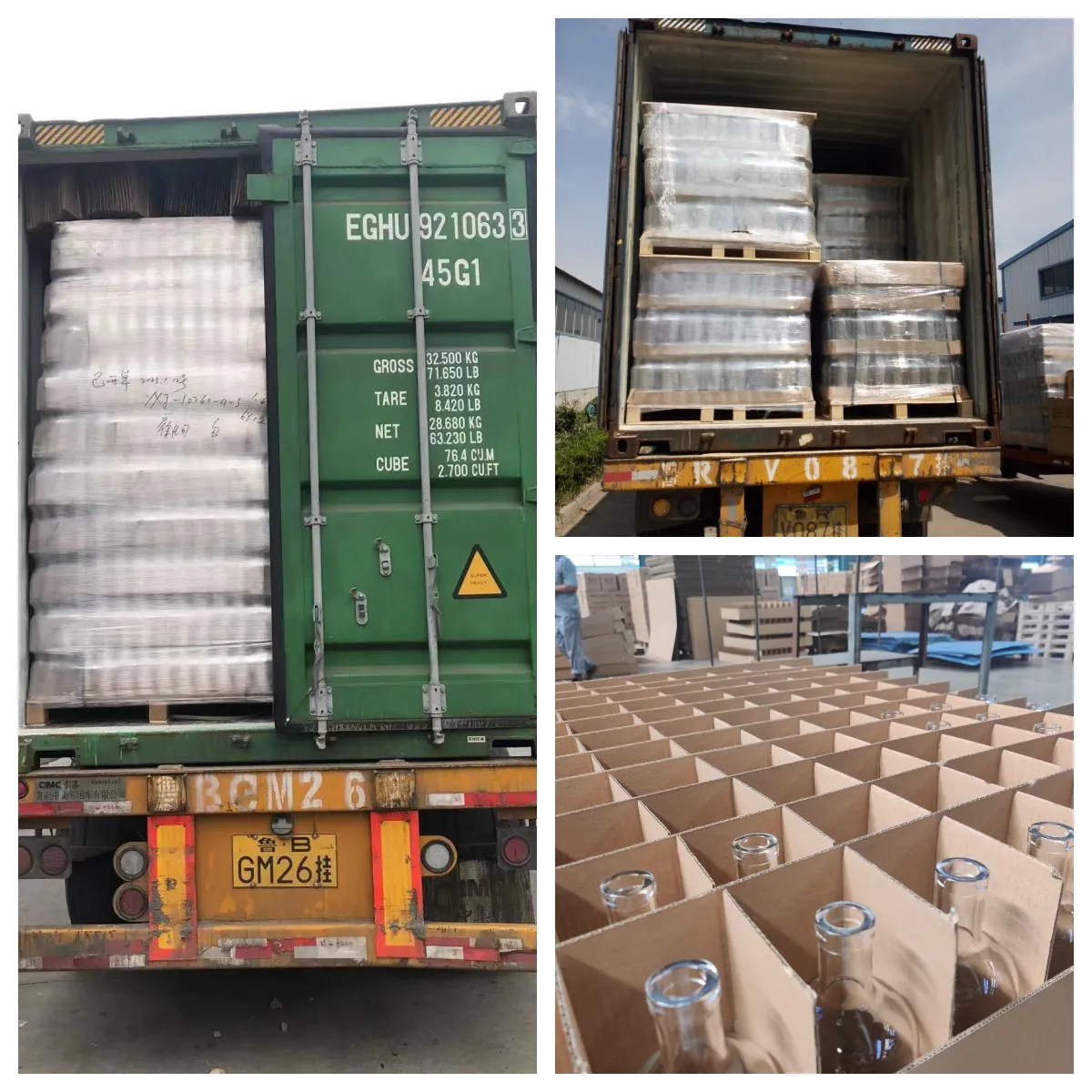
Glass is heavy and fragile. Poor packaging leads to high breakage rates and unhappy customers. Use ISTA-tested cartons with dividers. For full container loads, palletize bottles with corner boards and stretch wrap. For samples, use UPS or FedEx with cartons . A professional frosted gin bottle manufacturer will offer DDP door-to-door shipping. This means you do not worry about customs clearance or compliance paperwork. They should also understand food contact requirements for your target market.
If you sell gin in the EU, your glass packaging must meet EU 1935/2004 food contact standards. In the US, FDA compliance is essential. These regulations cover heavy metals, migration limits, and surface safety. A serious frosted gin bottle manufacturer will know these rules well. They will also understand labeling requirements for alcohol products. Some suppliers offer support with documentation for customs and market entry. Always confirm compliance details before your first shipment. A failed inspection can delay your launch by months.
The sampling process usually takes 7 to 15 days. Provide your artwork in vector format. Specify Pantone colors for screen printing and foil type for stamping. Ask for three samples: one raw frosted bottle, one with screen printing only, and one with both screen printing and foil. This helps you evaluate each stage. Once you approve the sample, production typically takes 25 to 35 days. A reliable frosted gin bottle manufacturer will keep you updated with photos throughout.
Your bottle supplier is a long-term partner, not a one-time vendor. Choose a frosted gin bottle manufacturer who communicates clearly and meets deadlines. They should offer consistent quality across repeat orders. They should also help you improve designs over time. Many brands start with a standard bottle and move to a custom mold after their first successful run. A good partner will grow with you. They will suggest cost-saving changes without sacrificing the premium look your brand needs.
A frosted gin bottle with screen printing and foil is more than packaging. It is a marketing tool that works every time someone sees your product. The right frosted gin bottle manufacturer helps you get there faster. Focus on factories with in-house decoration, strong production consistency, and export experience. Ask for samples, check compliance, and review their process. When you get it right, your bottle becomes part of your brand identity. That is the real value of custom glass packaging.
Q1: What is the minimum order quantity for custom frosted gin bottles?
A: MOQ depends on whether you use a stock mold or a custom mold. Stock molds usually start at 3,000 to 5,000 pieces. Custom molds may require 10,000 pieces or more. Contact the factory for a specific quote.
Q2: Can you do both screen printing and foil stamping on the same bottle?
A: Yes. Many gin brands combine both techniques. Screen printing provides color and coverage. Foil adds metallic shine and luxury. The factory will advise on the best order of operations for durability.
Q3: How do I know if the frosting quality is consistent?
A: Ask for a frosting depth specification and a sample from mass production. Check for streaks, patches, or uneven texture. A good frosted gin bottle manufacturer will explain how they keep each batch consistent.
Q4: What is the lead time for samples and bulk orders?
A: Samples usually take 7 to 15 days. Bulk production takes 25 to 35 days after sample approval. Shipping time depends on your destination and chosen freight method.
Q5: Can I customize the bottle shape with my own mold?
A: Yes. Custom molds are available. You will need to provide design drawings or a physical sample. Tooling fees and MOQ apply. The factory will guide you on design for manufacturability.