 English
 français
 Deutsch
 Español
 italiano
 русский
 português
 tiếng việt
 Türkçe
 Polska
 Indonesia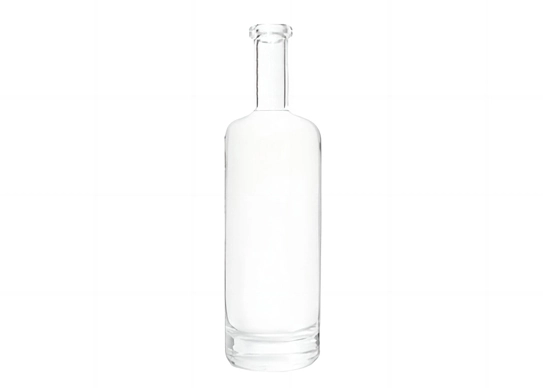
E-mail:
info@rsgbottle.com
EN

If you’re an American craft spirits brand founder or a procurement manager planning to launch your own line, you’ve probably realized one thing by now: a great bottle can make or break your product.
In the U.S. market, a glass bottle is more than just a container. It’s a silent salesperson on the shelf—a physical embodiment of your brand identity. But for small to midsize domestic brands manufacturers often demand high minimums and charge steep prices, while European suppliers come with painfully long lead times. That’s why turning to China has become almost inevitable.
But here’s the catch: when many people hear “sourcing from China,” the first thing that pops into their heads is “cheap,” followed immediately by “is the quality reliable?” “Will communication be a nightmare?” and “What if the bottles arrive shattered after two months at sea?”
This guide won’t throw around vague “strategic frameworks.” Let’s talk about the four things you actually care about: how pricing really works, whether MOQs are negotiable, how to nail lead times, and how to make sure the bottles you get are flawless.
1. Pricing: It’s Not Just About the Unit Price—It’s Landed Cost
Many first-time buyers see an FOB price from a Chinese factory and think, “Wow, that’s cheap.”Take a standard 750ml clear spirits bottle: a Chinese factory might quote you between $0.30 and $0.50 per piece FOB, depending on whether you need coating, embossing, or extra-clear glass.
But that’s just the starting point. Your real cost is thetotal landed cost: FOB price + ocean freight + U.S. inland transportation + duties + potential breakage. Some savvy buyers actually choose slightly more expensive bottles with more uniform wall thickness because they break less during transit—saving money overall.
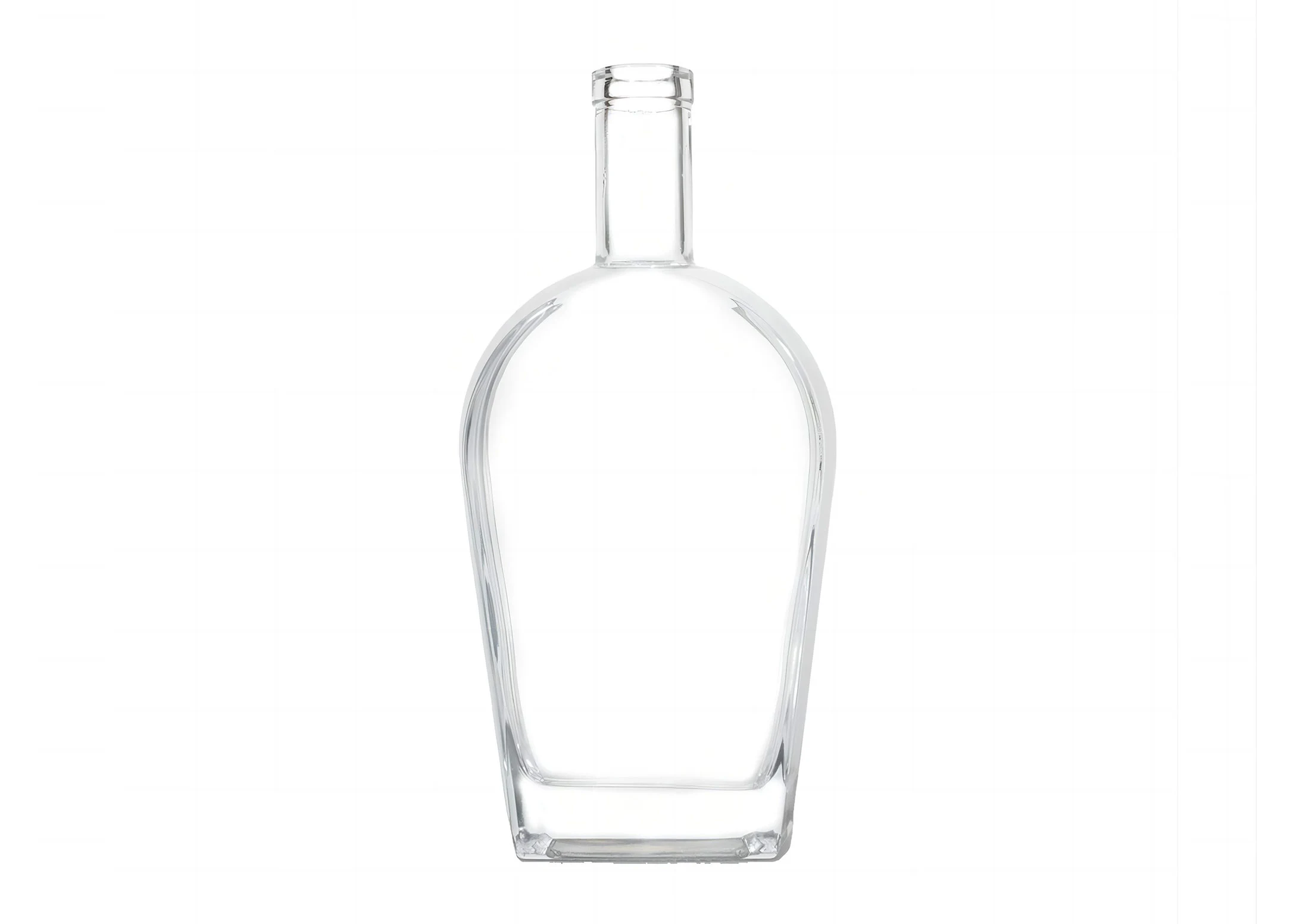
There’s also a hidden cost: tooling (mold) fees. If you want a custom shape, be prepared to pay anywhere thousands of dollars for the mold. Whether that’s paid upfront or amortized across orders is something to clarify early on. And custom molds take time—anywhere from 8 to 20-plus weeks from concept to 3D sampling.
2. MOQ: Big Factories Have Small Orders—You Just Need to Know Where to Look
“Chinese factories won’t talk to me because I’m small”—this is a common stereotype among U.S. startups, but it’s only half true. The giants supplying global megabrands do demand 300,000 or even 500,000 pieces per run, because they live off scale.
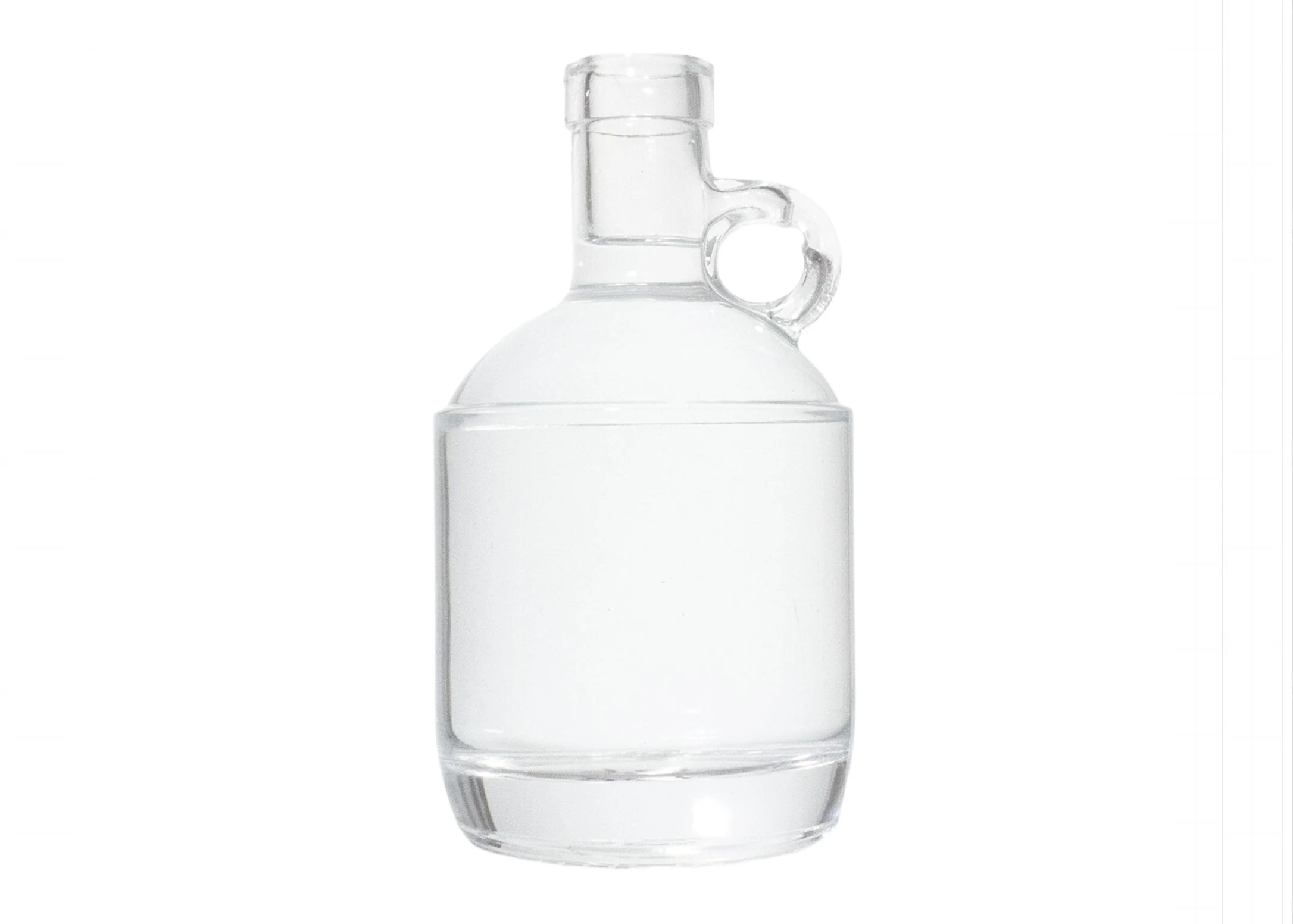
But if you only need a few thousand bottles, don’t lose hope. China’s massive glass manufacturing clusters have spawned many factories that specialize in serving smaller brands. For instance, around Xuzhou and Shandong, you can find factories with MOQs as low as 1,000 or even 500 pieces. They understand the logic of a trial run: let you test the waters with a small order, and if your brand takes off, the big orders will come back to them.
Pro tip: If your budget allows, consider investing in custom tooling even for a small initial order. Once the mold is yours, reorders have to come back to you—which gives you leverage in negotiations.
3. Lead Time: Don’t Forget the Ocean
Time is money, especially when you have a launch date. When sourcing from China,lead time = production time + shipping time.
For stock (standard) bottles, production usually takes 7 to 15 days. For custom bottles, expect 25 to 35 days. If you’re opening a new mold or adding complex finishing (like ceramic coating or electroplating), that can stretch to 50+ days.
Then there’s shipping. From ports like Qingdao to Los Angeles or Long Beach,ocean freight typically takes 25 to 35 days. But don’t just count the sailing days—port congestion and customs clearance can add weeks.
A safe rule of thumb:plan for about 90 days from order placement to bottles in your U.S. warehouse. If you’re in a real pinch, you can pay for air freight, but given how heavy glass is, the shipping cost might exceed the bottle cost—only worth it for urgent small-batch replenishment.
4. Quality: Don’t Trust Pictures—Trust Data
How do you ensure that the bottles arriving at your door match the samples, half a world away? This is where Chinese supply chains have improved the most.
First, know the standards you need. If you’re selling in the U.S., your packaging must comply with FDA regulations for indirect food contact (21 CFR §174.5). Reputable Chinese exporters know this inside out. Ask them directly for test reports on heavy metals (lead, cadmium) and thermal shock resistance.
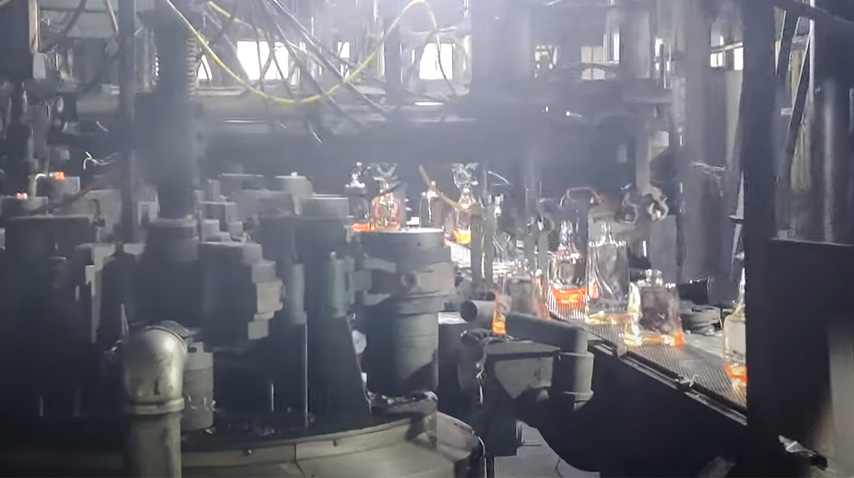
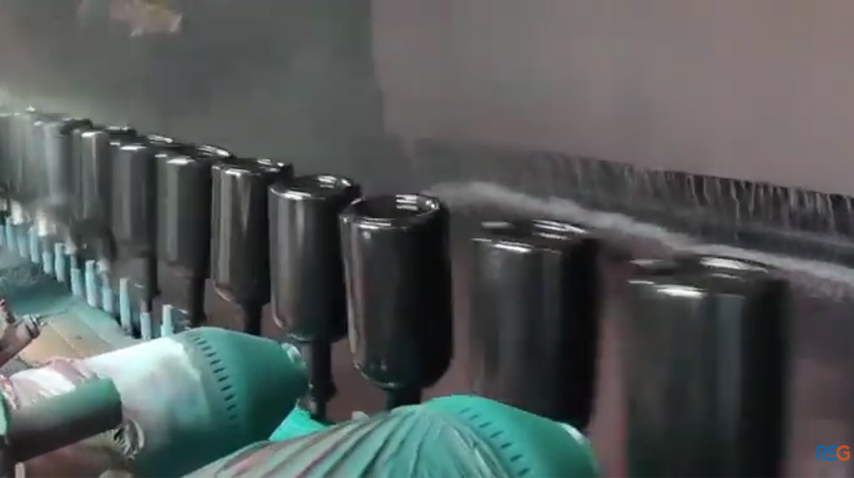
Second, look for factory capabilities. Many leading factories no longer rely on visual inspection. They useonline automatic inspection systemsthat monitor neck finish dimensions, cracks, and wall thickness in real time. Some, like Yantai Changyu, use the same AGR equipment as U.S. labs to ensure their bottles meet international specs—which is why they supply many top North American wineries and distilleries.
If you’re still uneasy, hire a third-party inspection company (like SGS or BV) to do a random check before the container is loaded. It’s cheaper and more objective than flying over yourself.
Last, a commonly overlooked detail: bottle and closure compatibility. The precision of the thread finish determines whether your bottle will leak. The safest approach is to have your glass factory also consider your closure needs. If you’re sourcing closures separately, send samples to the glass factory for torque and seal testing.
Final Thoughts
Sourcing spirits bottles from China is essentially an information game. Once you understand how pricing is built, where to find factories that accept smaller MOQs, how to calculate realistic lead times, and how to verify quality with data, you’re already halfway there.
Don’t chase the absolute lowest price, and don’t be intimidated by high MOQs. China’s glass industry has both aircraft carriers serving global giants and nimble partners willing to grow with smaller brands. The key is knowing what you need at your current stage, and then finding the right factory that speaks your language.
Here’s hoping your next whiskey or gin finds its way into a bottle you’re proud of—and lands smoothly on U.S. shelves.