 English
 français
 Deutsch
 Español
 italiano
 русский
 português
 tiếng việt
 Türkçe
 Polska
 Indonesia



E-mail:
info@rsgbottle.com
EN

When it comes to enjoying a fine whiskey, every detail matters—from the distilling process to the aging and, finally, to the packaging. One of the most debated topics among enthusiasts and producers alike is the closure: cork vs. cap.
Is the traditional cork stopper the undisputed king of whiskey preservation? Or does the modern screw cap offer a superior, albeit less romantic, solution? In this article, we'll uncork the facts and screw on the cap to help you understand the best closure for your beloved bottle.
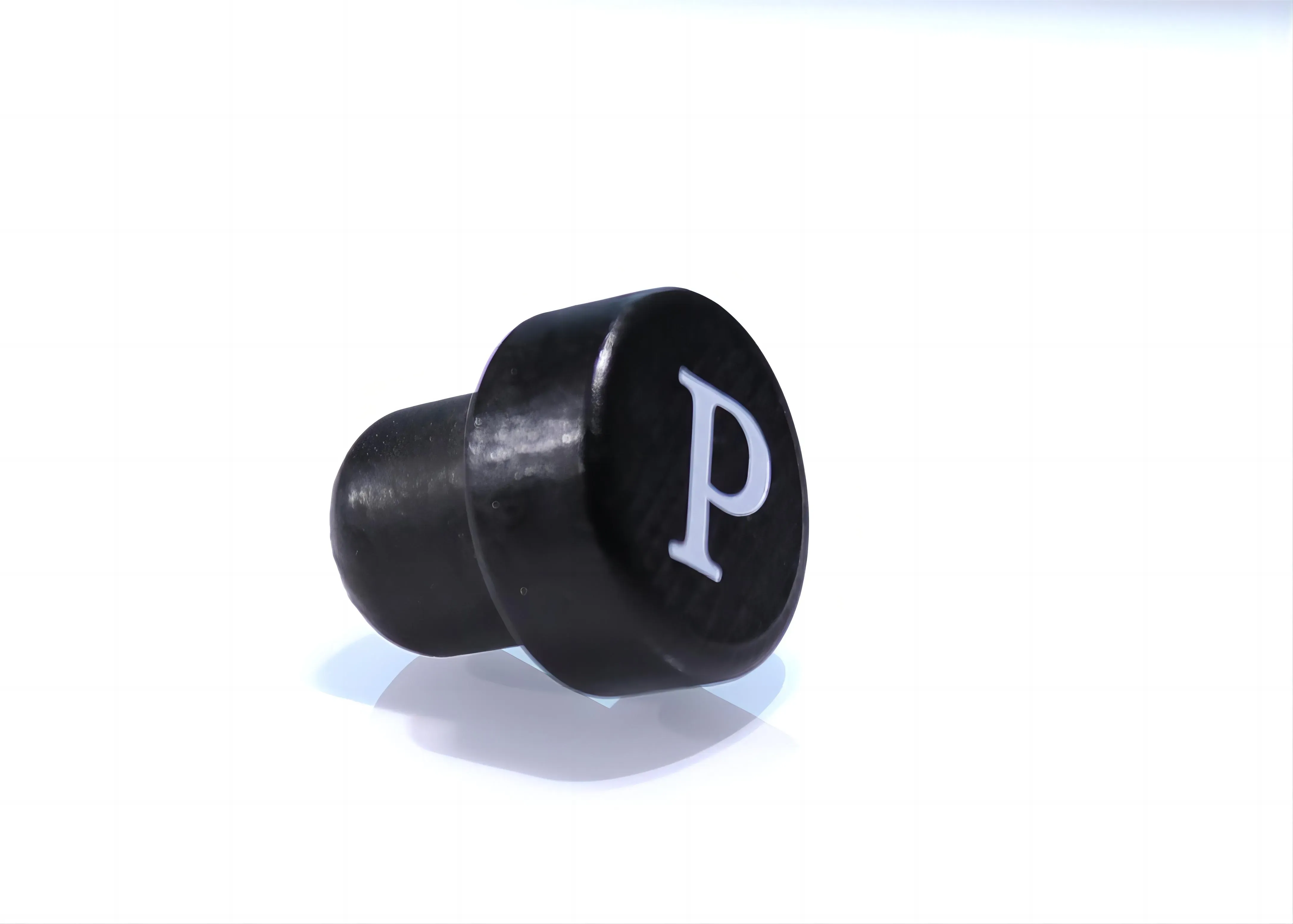
For centuries, natural cork has been the closure of choice for premium spirits and wines. It carries a sense of tradition, ceremony, and luxury.
Pros of Cork:
Tradition and Ceremony: The gentle "pop" when opening a cork-sealed bottle is an irreplaceable part of the whiskey ritual. It signals the beginning of a special experience.
Micro-Oxygenation: This is cork's biggest claim to fame. It allows minuscule amounts of oxygen to interact with the whiskey over time, which can help the spirit continue to evolve and mature gracefully in the bottle, potentially mellowing its character over decades.
Perceived Quality: Most consumers associate a natural cork with a higher-quality product. It feels premium and authentic.
Cons of Cork:
Cork Taint: The dreaded TCA (2,4,6-trichloroanisole) can contaminate the whiskey, giving it a musty, wet cardboard smell that ruins the spirit.
Inconsistency: Being a natural product, each cork is different. The rate of oxygenation can vary, leading to inconsistent aging.
Drying Out and Breaking: If a bottle is stored upright for too long, the cork can dry out, shrink, and let in too much air, leading to oxidation and spoilage. It can also crumble upon opening.
Maintenance: Cork-sealed bottles must be stored on their side to keep the cork moist, which isn't always convenient.
The screw cap, specifically the Roll-On Pilfer-Proof (R.O.P.P.) cap, is no longer just for budget spirits. Many premium and super-premium whiskey brands are now adopting it for very good reasons.
Pros of Screw Caps:
Consistency and Purity: This is the screw cap's greatest strength. It provides a near-hermetic seal, guaranteeing that the whiskey inside tastes exactly as the master distiller intended when it was bottled. There is no risk of cork taint or unwanted oxidation.
Convenience: It's incredibly easy to open and reseal. There's no need for a corkscrew, and you don't have to worry about the closure breaking.
Durability and Reliability: Screw caps don't dry out, crumble, or degrade over time. A bottle can be stored in any position without risk.
No Taint Risk: Eliminates the possibility of cork taint entirely.
Cons of Screw Caps:
Perception of Lower Quality: Despite their functional advantages, many consumers still unfairly associate screw caps with cheap, low-quality spirits.
Lacks Romance: The experience of opening a bottle is purely functional. There's no ceremonial "pop," which can detract from the special occasion feel for some purists.
Zero Oxygen Exchange: While this is often a pro, for some whiskey styles that might benefit from extremely slow micro-oxygenation over 50+ years, it could be a con. However, for the vast majority of whiskeys meant to be consumed within a few years of bottling, this is irrelevant.
So, which is the best closure for whiskey bottles? The answer isn't black and white.
Choose Cork if: You are bottling a premium, age-statement whiskey where tradition and the ritual of opening are paramount. It's ideal for limited editions or bottles that you believe might benefit from subtle changes over a very long period (though this is debated).
Choose a Screw Cap if: Your top priority is taste preservation and consistency. It's the superior choice for ensuring the whiskey remains pristine from the distillery to the consumer's glass. This is especially true for non-age-statement (NAS) whiskeys, single malts where precise flavor profile is key, and for bottles that may be opened and closed frequently over time.
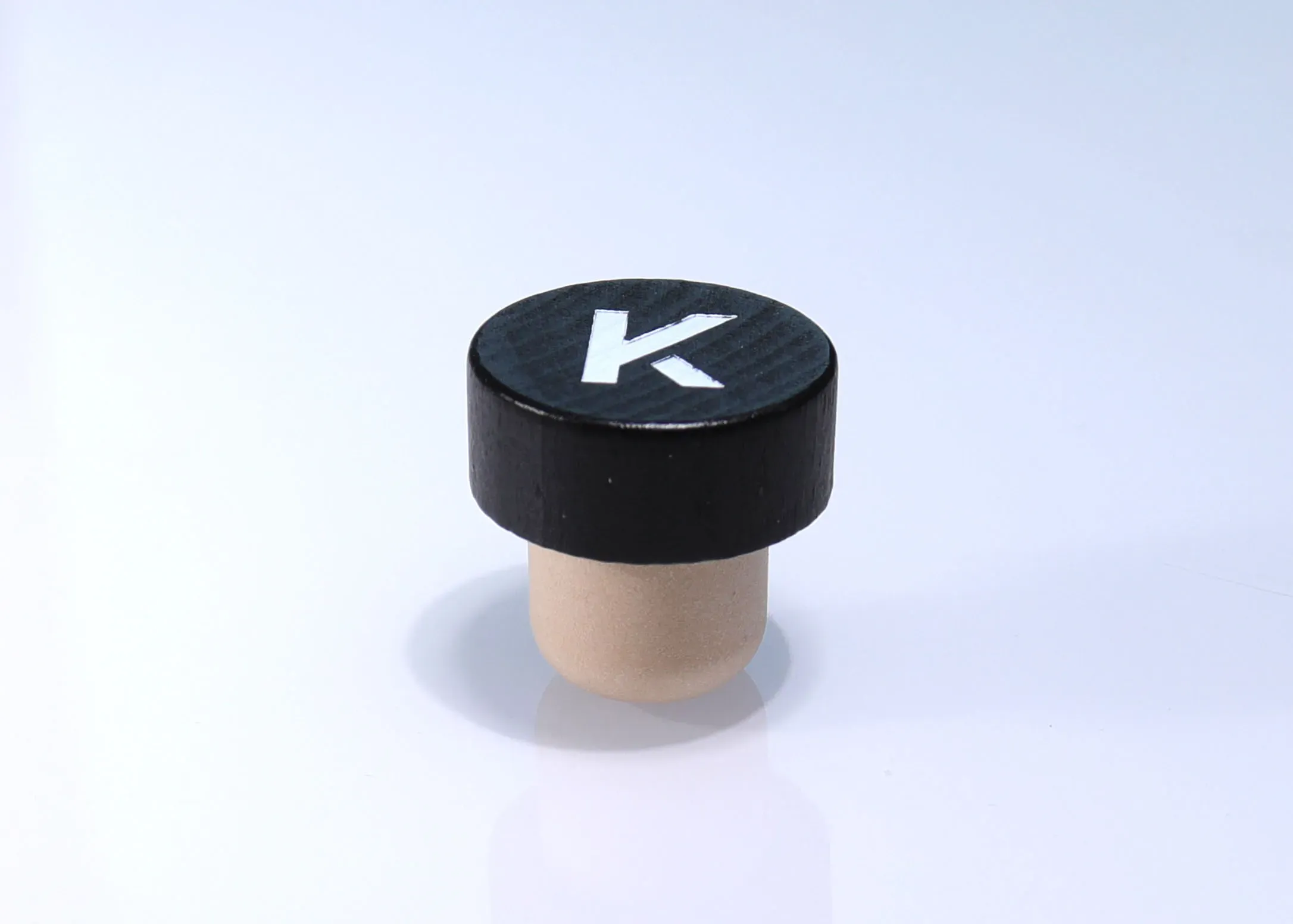
The debate between cork and cap is ultimately shifting. While cork holds a cherished place in the world of whiskey, the screw cap is proving to be a technologically superior closure for spirit preservation.
The next time you pick up a bottle, don't let the closure alone dictate your perception of quality. A screw cap often means the distiller values the integrity of their creation above all else. Whether you prefer the romantic tradition of cork or the flawless functionality of the cap, the best closure is the one that delivers the perfect whiskey to your palate.
文章SEO优化说明: