 English
 français
 Deutsch
 Español
 italiano
 русский
 português
 tiếng việt
 Türkçe
 Polska
 Indonesia
E-mail:
info@rsgbottle.com
EN

But if you think you can just send a JPEG to a factory and get back gorgeous raised lettering next week—well, buckle up. It’s a bit more complicated than that. And the decisions you make upfront will either save you a ton of headaches or cost you a pile of money in broken molds and ugly samples.
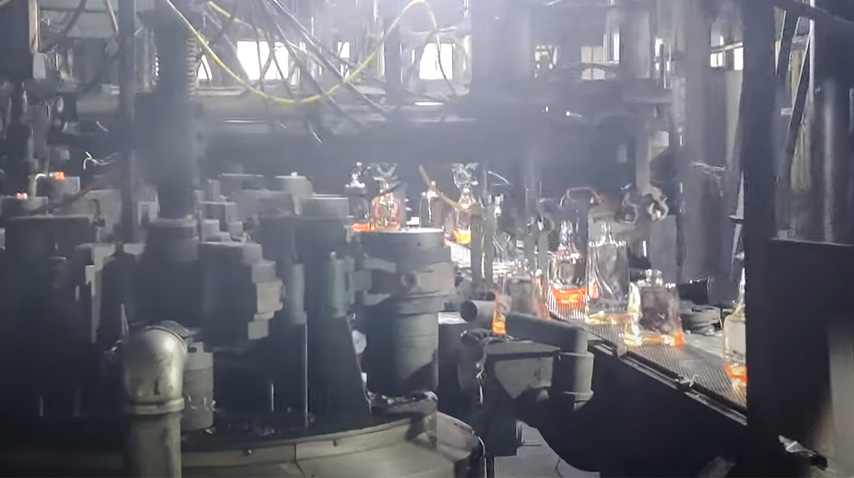
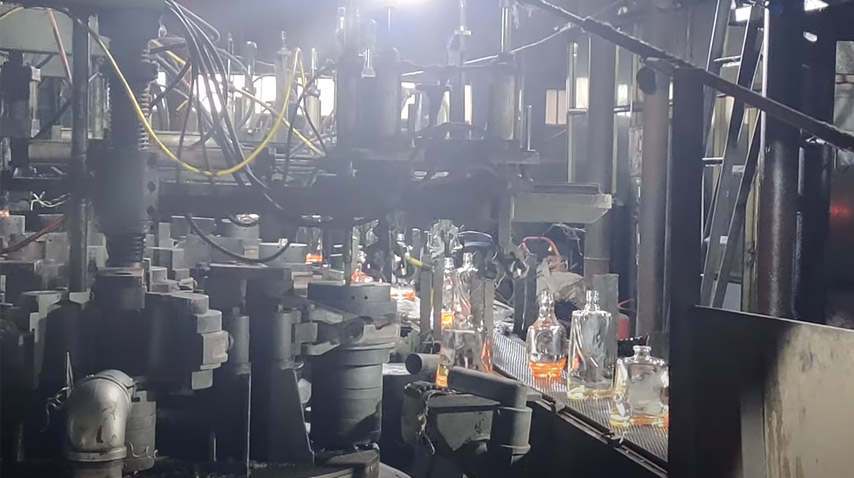
Forget labels. Forget printing. Embossing happens inside the actual mold that shapes the hot glass. That means once you cut that mold, your logo is permanent. No take-backs.
The mold alone will set you back anywhere from two grand to fifteen grand, depending on how fiddly your design is. Simple block letters on a standard round bottle? You’re on the cheaper end. Intricate crests with tiny details or weird curves? Yeah, that’s going to hurt the wallet a bit.
And here’s a trap I see brands fall into all the time: they bring in some gorgeous logo from their graphic designer, all thin lines and delicate swirls. Beautiful on paper. Nightmare in glass. Molten glass doesn't flow into razor-thin crevices like plastic does. If your lines are too skinny or too deep, the glass won't fill them properly. You'll end up with a logo that looks like it's got alopecia—patchy and sad.
Rule of thumb? Keep it bold, keep it chunky, and keep the depth under a millimeter. 0.3mm to 0.8mm is usually the sweet spot. Anything taller and you need thicker glass walls, which means heavier bottles and higher shipping costs. Trade-offs.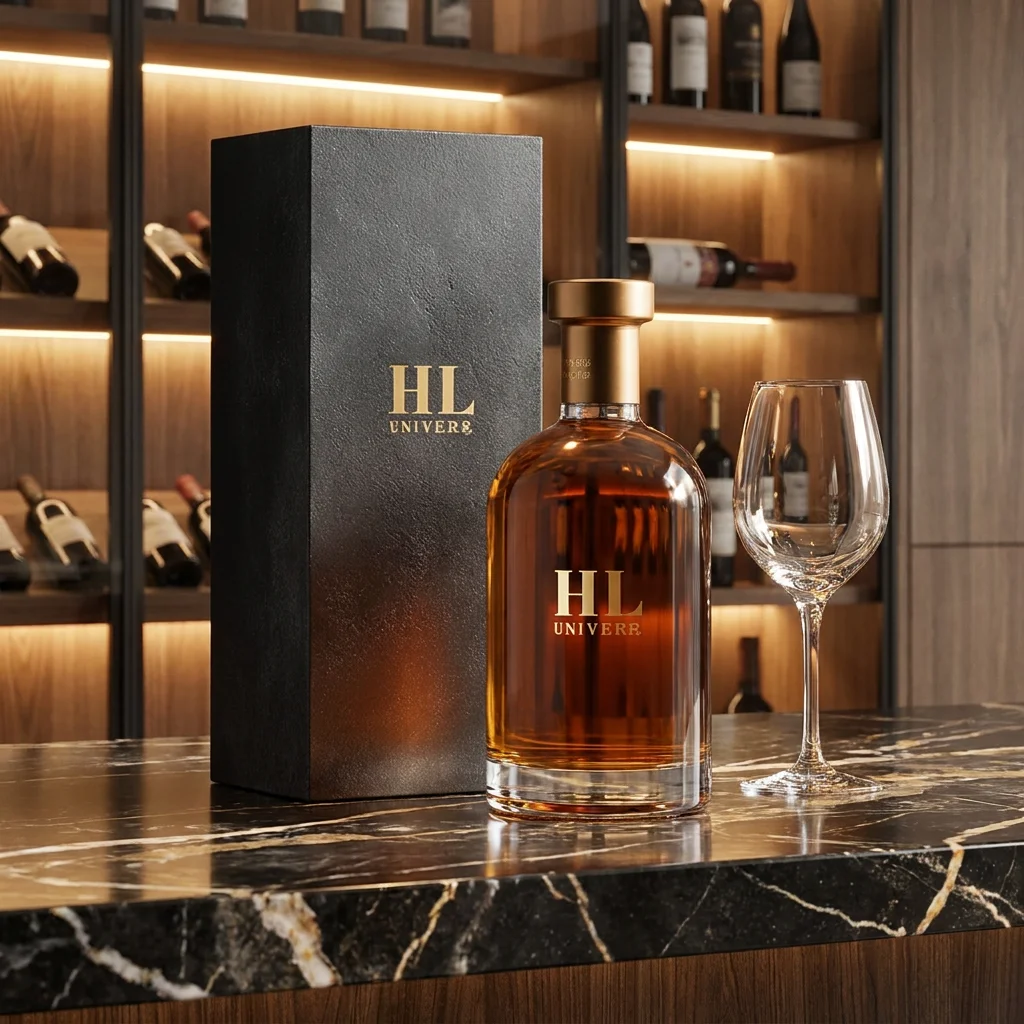
You’d think you can slap your crest anywhere. Technically, you can. But practically? Think about where the bottles are going to hit each other on the filling line or in transit. Embossed areas are slightly weaker than smooth glass. If your logo is right at the sweet spot where two bottles clink together in a cardboard divider, you're going to get stress cracks and breakage. Not fun.
Most of the smarter brands tuck it on the shoulder, the lower body, or even right down in the punt (that little dimple on the bottom). A few bold ones do a full wrap-around pattern near the base—looks killer on a whiskey bottle and gives the drinker something to hold onto.
Most factories will push you toward mold pressing. That’s the standard—hot glass goes into the engraved mold, pressure does its thing, out pops your bottle. It’s fast, it’s cheap at scale, and for 90% of liquor brands, it’s totally fine.
Hot pressing is the fussier cousin. They heat the glass again after it's shaped and press a separate die onto it. Gives you sharper, more detailed results, but it adds time and cost. Only worth it if your logo is insanely detailed or you're doing super small-batch artisanal stuff.
You’ll approve the design. You’ll pay for the mold. And then the factory sends you your first samples. And you’ll stare at them, wanting to cry, because the “R” in your brand name looks like a weird blob and the letters aren’t popping the way you imagined.
That’s normal. Seriously.
Glass flows funny. The embossed area changes how the glass distributes, so you almost always get thin spots or weird shadows the first time around. The fix is tweaking the mold—grinding a little here, adding a little there—and running another sample. Factor this into your timeline. If you’re in a rush for a holiday launch, add an extra month just for sample revisions. You'll thank me later.
I’ve worked with a handful of glass suppliers over the years, and RSG Glass is one of the few that doesn't make you feel like you're bothering them when you ask questions. They've been doing this for over twenty years, which means they've already seen every design mistake you're about to make—and they'll stop you before you make it.
They run a massive operation—hundreds of thousands of bottles a day—so they can handle big orders without blinking. But they also do the small stuff and actually care about getting the embossing right. They’re not going to just take your money and run. They’ll sit with you on the design, point out where your lines are too thin, and suggest tweaks that actually work in real life.
Plus, if you want to get fancy and combine the embossing with frosting, screen printing, or even some metallic electroplating on the raised bits, they can do all that in-house. One stop, no chasing five different vendors.
They specialize in 700ml spirits bottles—tons of shapes from classic round to those modern square ones with the sharp edges that look so good on Instagram right now. And they ship everywhere. US, Europe, Australia, you name it.
The real bottom line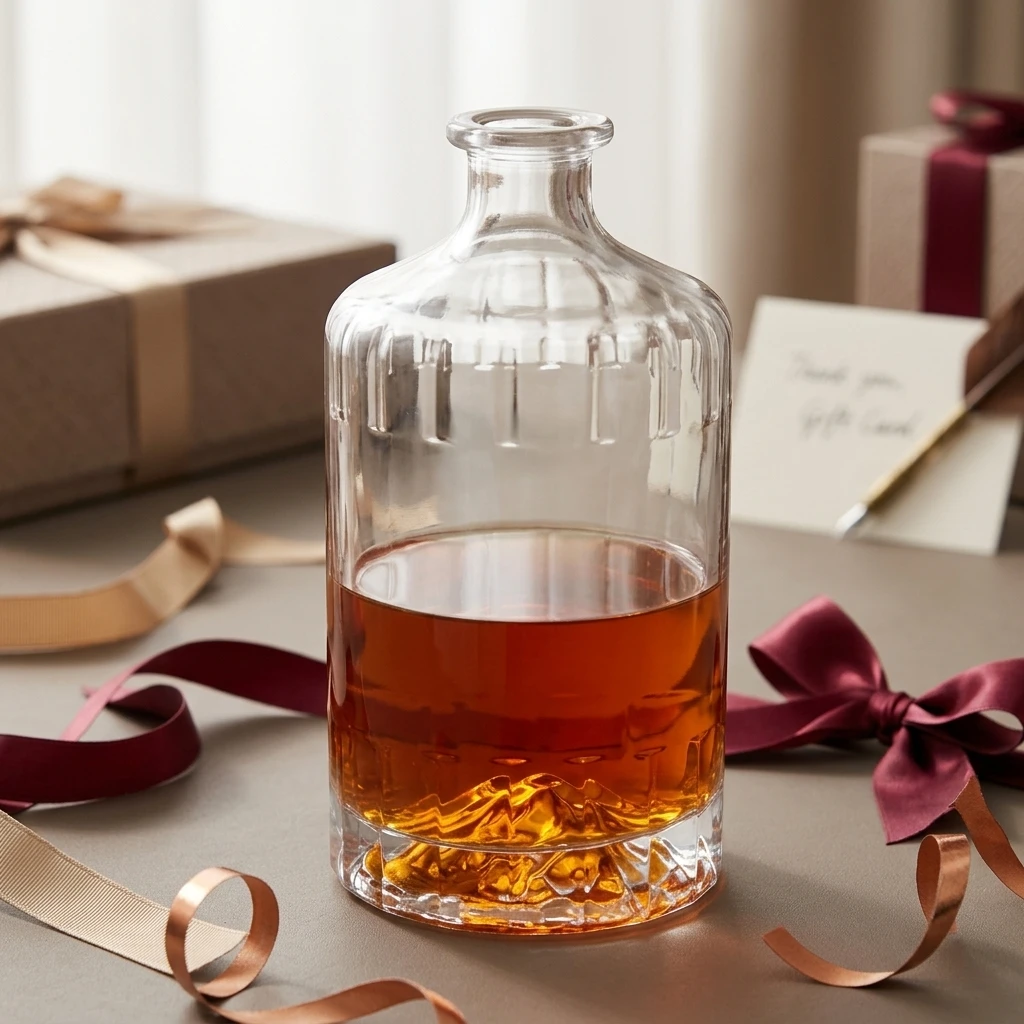
Look, embossing isn't the cheapest trick in the book, and it's not the fastest. But it is the most permanent. That raised logo isn't coming off. It won't fade in the sun, it won't peel in a cooler, and it tells your customer one thing without you saying a word: we took this seriously.
If your budget can stretch to cover that initial mold cost—and you're planning to run enough bottles to make the per-unit math work—just do it. It turns your bottle from a container into a keepsake. And in a market full of lookalike glass, that little tactile difference is sometimes the only thing that gets your bottle picked up off the shelf.
Talk to a few suppliers, get those sample molds cut, and don't settle until the raised letters feel crisp under your thumb. And if RSG picks up the phone, honestly, you're in good hands. They've done this dance more times than they can count.