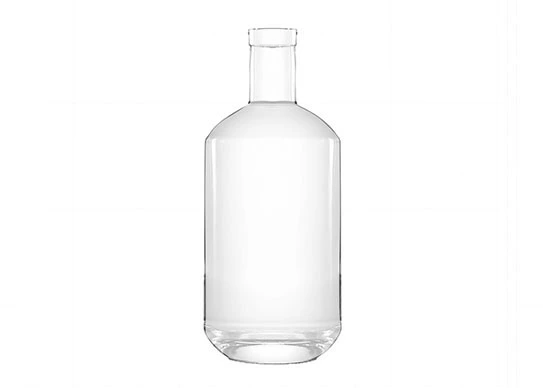
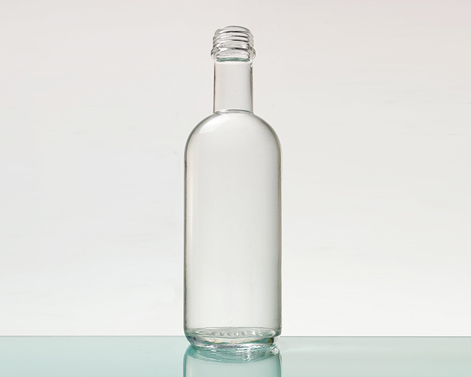
I have spent the better part of a decade sourcing glass for mid-sized distilleries and private-label houses across the U.S. and Europe. The truth is simple: a custom vodka bottle supplier is not a decorator. They are a manufacturing partner. For vodka specifically—where the liquid is clear, neutral, and visually quiet—the bottle finish does the heavy lifting of premium positioning. Whether it is a soft frosted finish, a bold spray coating, or a mirror-like electroplated shoulder, that surface treatment is the first physical signal your customer receives. It sets price expectation before they ever read the label. But here is what the design brief rarely captures: that finish has to survive your rinsing tunnel, your filler, your capper, and three thousand miles of ocean transit. The gap between shelf appeal and line compatibility is where good launches become expensive lessons.
-转换自-png_(1).webp "photobank_(3)-转换自-png_(1).webp")
Frosted, Spray & Electroplated: What the Production Floor Actually Sees
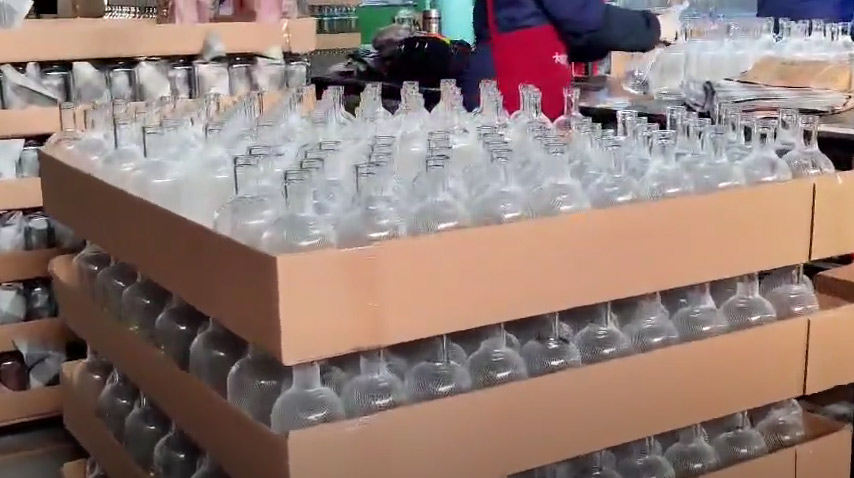
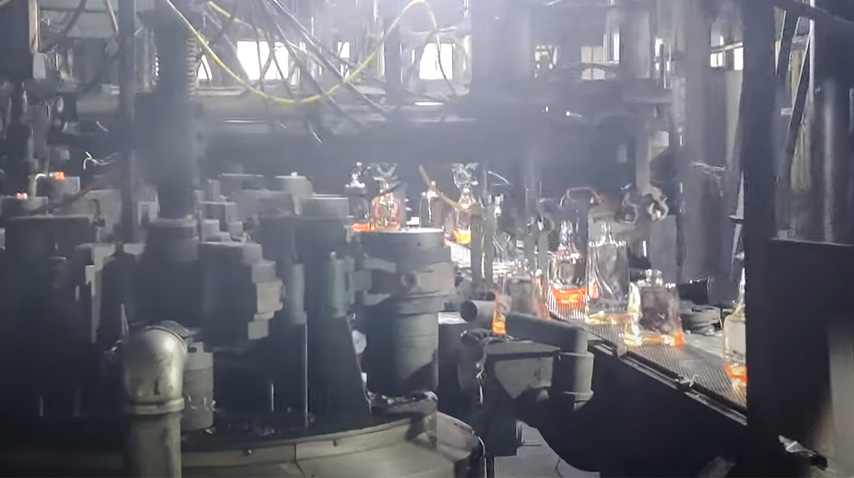
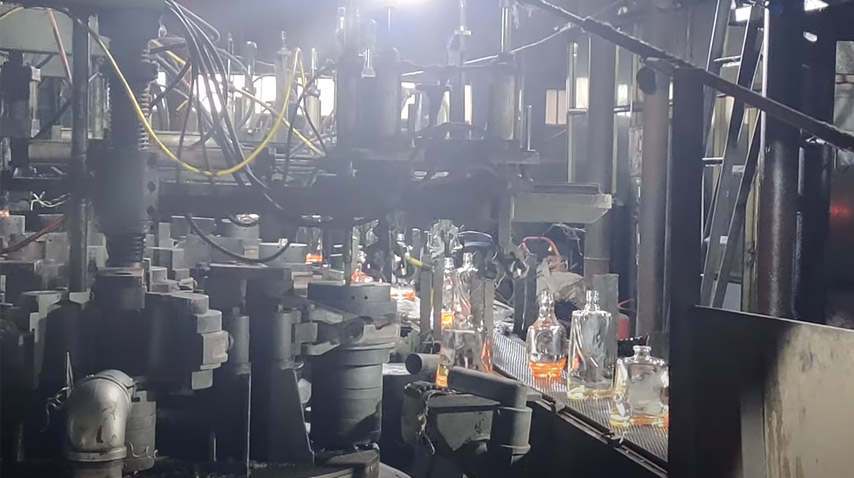
We first specified a frosted finish for a small-batch potato vodka out of the Pacific Northwest. The brand story was restraint, purity, craft. Glossy glass felt too commercial. Clear flint felt too generic. The frosted sample arrived, and the design team loved it. Then we took it to the bottling hall. Under retail lighting, the matte surface was perfect. On the conveyor, it was a different story. Frosted glass carries higher surface friction than standard flint. Our guide rails gripped differently. Bottles stacked at the rinser infeed. We ended up adjusting rail spacing and slowing the line by roughly eight percent to clear the run. A vendor who has never stood on a distillery floor would not warn you about this. A true custom vodka bottle supplier will ask about your conveyor type before quoting.
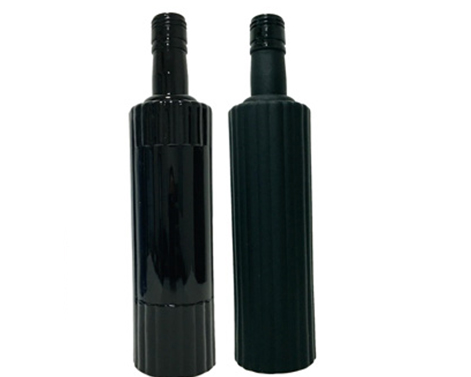
Spray coating gives you the widest color freedom—matte black, pearl white, soft pastels. But distilleries need to test for chemical and heat resistance. We learned this on a matte navy bottle where the shoulder coating blistered under the heat gun during capsule application. The topcoat had to be reformulated. Electroplating is another category entirely. We used an electroplated gold shoulder on a limited-edition holiday release. It became the fastest-selling SKU in the brand’s history. However, that metallic surface is sensitive to caustic pre-fill washes. We once saw micro-flaking near the punt after a high-pressure rinse cycle. Beautiful, yes. Washable, no. The lesson is uniform across all three finishes: what photographs well in a studio and what runs clean at two hundred bottles per minute are two different products.
-转换自-png_(1).webp "photobank_(4)-转换自-png_(1).webp")
The Bottling Line Checklist Nobody Talks About
Before I approve any sample, my team runs a short mechanical review. These details are tedious until they cost you a weekend of downtime. First, neck finish verification. Your cap supplier and your custom
vodka bottle supplier must share the same thread standard—BSP or GPI. A 33mm neck can vary by a critical millimeter between sources. That is enough to cause torque leakage or misalignment in your capper star wheel. Second, wall thickness tolerance. Inconsistent glass causes vacuum-level errors during fill and raises breakage rates in the crowner. Ask for dimensional reports from the production lot, not just the golden sample. Third, base geometry. A heavy punt or an asymmetric shoulder can catch on transfer screws between stations. If your line uses pneumatic pushers, test how the bottle settles after each transfer.
Fourth, and especially critical for a frosted finish or spray-coated surface: label adhesion. Treated glass accepts adhesives differently than standard flint. We always order extra unlabeled bottles to test paper, film, and textured stocks. We have seen labels lift on frosted glass because the adhesive was optimized for smooth surfaces. Finally, thermal shock resistance. If you cold-fill or run pasteurization, request the data. Glass that is stable at twenty-two degrees Celsius can crack when it meets four-degree liquid. And always—always—request a pre-shipment sample from the actual production lot. Colors shift between furnace batches. Surface treatments vary with humidity. That last sample is your final chance to catch a drift before ten thousand units are on the water.
Lead Times and Why We Recommend RSG Glass
Glass production is not a rush job. Mold development, sample approval, surface treatment, and ocean freight layer up quickly. For a standard frosted finish
vodka bottle with light embossing, I plan ninety to one hundred twenty days from purchase order to port. Electroplated orders often add two to three weeks. If you are targeting a fourth-quarter launch, confirm your order by early June. Any custom
vodka bottle supplier promising six-week delivery on fully custom glass is either using undisclosed stock molds or cutting a corner you will discover at receipt.
After running bottles from suppliers across Eastern Europe and Asia, the partners we return to are the ones who ask mechanical questions before quoting unit price. RSG Glass is one of them. When we were sourcing a frosted finish program last spring, their team asked about our filler star wheel diameter and conveyor rail spacing before sending a proposal. That told me they understood distillery operations, not just decoration. RSG runs frosted, spray-coated, and electroplated finishes in-house, which means tighter color consistency and faster troubleshooting than shops that outsource surface work. They ship pre-production samples with full tolerance reports—wall thickness, neck finish verification, and thermal shock data—saving weeks of back-and-forth. They also maintain a library of adaptable stock molds, which matters when you need to hit a seasonal window without opening a full custom mold.
If you are evaluating partners for your next vodka launch, send RSG Glass your bottle concept and cap specification. Ask for a line-compatibility review. If their response mentions capping torque ranges and conveyor clearance, you are talking to a team that knows a beautiful bottle means nothing if it does not run clean on your line.
 English
 français
 Deutsch
 Español
 italiano
 русский
 português
 tiếng việt
 Türkçe
 Polska
 Indonesia