 English
 français
 Deutsch
 Español
 italiano
 русский
 português
 tiếng việt
 Türkçe
 Polska
 Indonesia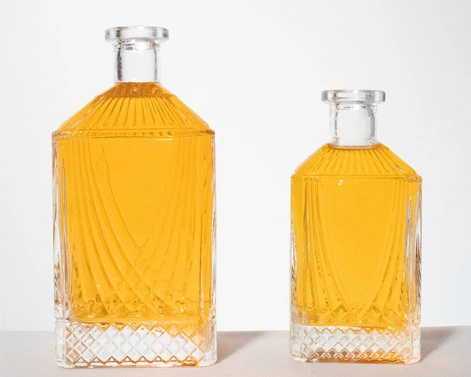
E-mail:
info@rsgbottle.com
EN

For a whiskey brand, the glass bottle is more than just a container; it's a powerful part of your brand identity.
The right bottle can protect your spirit, tell your story, and attract the right customers.
Your bottle should be a physical representation of your brand positioning.
For a Luxury Brand: Choose a heavy, substantial bottle with detailed bottle design elements like deep engravings, unique shapes, or a high-quality stopper. This conveys premium quality and tradition.
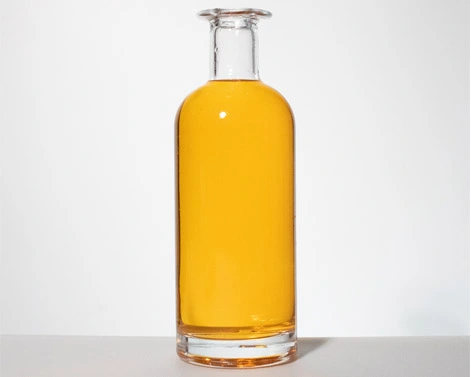
For a Modern or Craft Brand:Consider cleaner lines, minimalist bottle design, or slightly irregular shapes. A transparent bottle can highlight the natural color of your whiskey, appealing to a contemporary audience.
For a Mainstream Brand: Focus on functional, standard-shaped bottles. This helps with cost control and efficient production while still allowing for strong label design to stand out on the shelf.
A beautiful bottle is useless if it doesn't perform its core job.
Protection from Light: Dark-colored glass, especially amber or green, is classic for a reason. It protects the whiskey from UV light, which can degrade its quality and flavor over time.
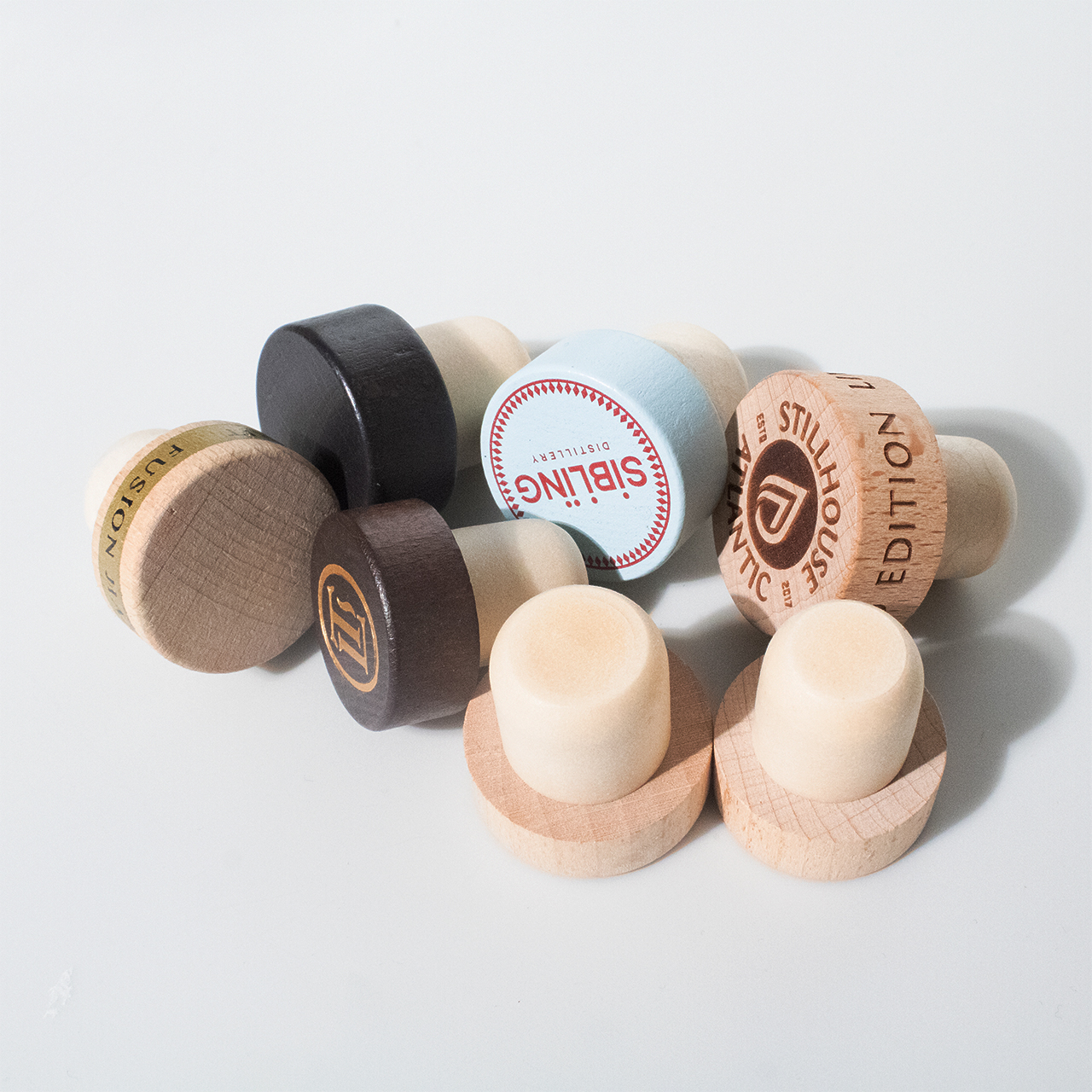
A Good Seal: The closure (cork, screw cap, or synthetic stopper) and the bottle neck must create an airtight seal. This prevents evaporation and preserves the whiskey's character from distillery to customer.
Feel and Function: Consider the bottle's ergonomics. Is it easy to grip and pour? A stable base is crucial for safety and display. The weight and feel in the hand contribute significantly to the customer's perception of quality.
Your bottle choice directly impacts your budget and supply chain.
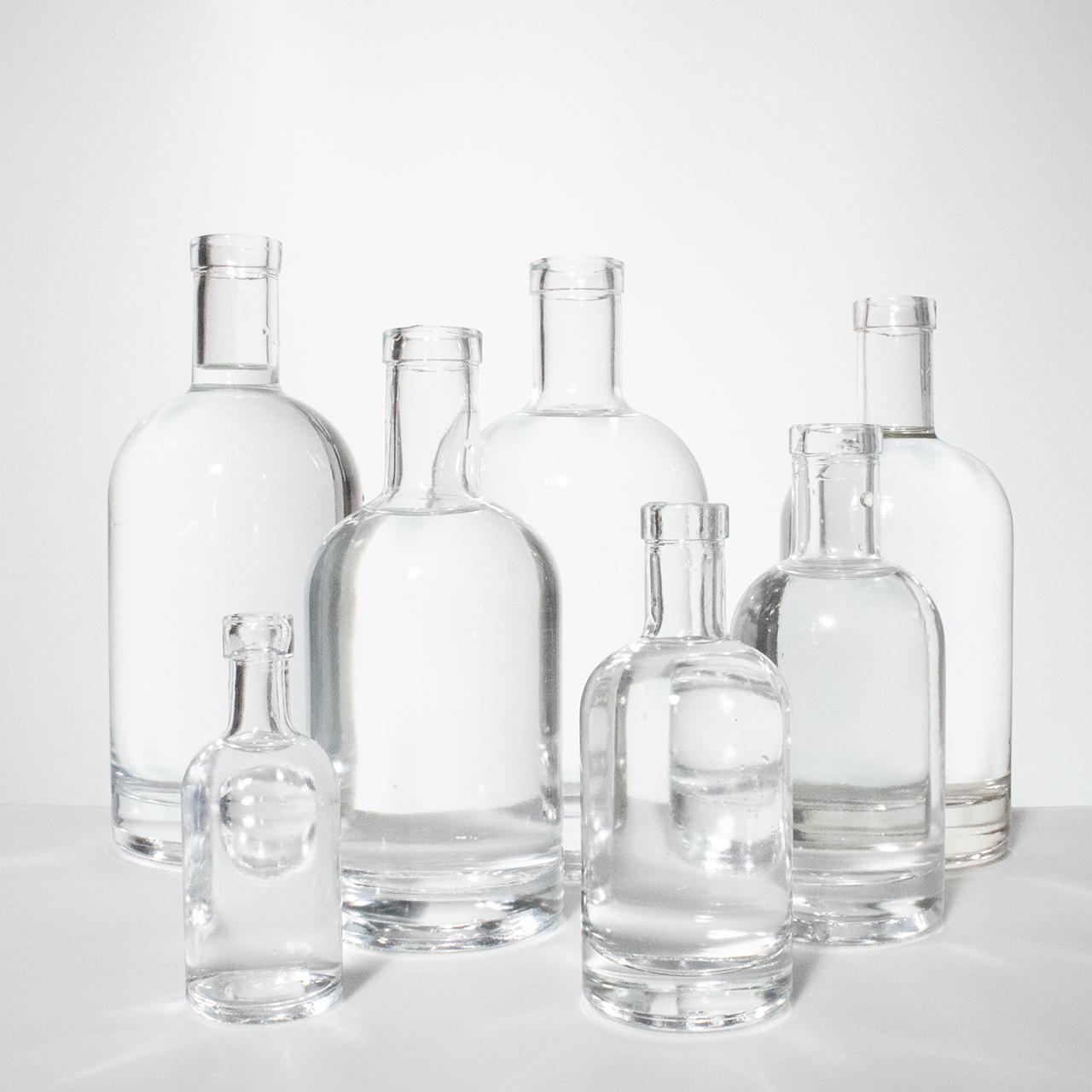
Custom vs. Stock Molds: A custom-shaped bottle requires creating a new mold, which is a significant upfront investment. A "stock" bottle from a glass bottle manufacturer is far more cost-effective and has a faster turnaround, ideal for new whiskey brands.
Bulk Orders: Placing larger orders often reduces the per-unit cost. Plan your production and inventory needs to optimize cost control.
Labeling Area: Ensure the bottle has a flat, adequate space for your label design. A poorly considered shape can make labeling difficult and expensive.
Today's consumers are increasingly drawn to brands that prioritize the environment.
Lightweight Glass: Many glass bottle manufacturers now offer lightweight options. This reduces material use, lowers shipping costs, and minimizes your brand's carbon footprint.
Recycled Content: Ask potential suppliers about using recycled glass (cullet) in their production process.
Reusability: A well-designed bottle often has a second life. Consumers may repurpose it as a decanter or for other uses, which extends your brand's presence and aligns with sustainable packaging values.
Choosing the right glass bottle is a critical business decision. By carefully considering your brand positioning, the practical bottle design, cost control, and sustainable packaging options, you can select a bottle that not only protects your whiskey but also powerfully promotes your whiskey brand.
The most important step is to start a conversation with a reputable glass bottle manufacturer or supplier. They can provide samples, discuss supply chain logistics, and help turn your vision into a tangible, successful product.