 English
 français
 Deutsch
 Español
 italiano
 русский
 português
 tiếng việt
 Türkçe
 Polska
 Indonesia
E-mail:
info@rsgbottle.com
EN

If you are importing 700ml liquor bottles into the United States, you have likely heard the term: FDA compliance.
The FDA (U.S. Food and Drug Administration) has strict regulations for materials that come into contact with food and beverages. Liquor bottles, as containers for alcoholic drinks, come into direct contact with the liquid. Therefore, they must meet FDA requirements.
Many importers and brand owners find FDA regulations confusing at first. But once you understand the key points, FDA compliance is not as difficult as it seems.
This article will explain, in the simplest terms, how to ensure FDA compliance for 700ml liquor bottle imports to the US.
FDA compliance simply means your product meets the safety standards set by the U.S. FDA.
For liquor bottles, the FDA's main concern is: Could the bottle material harm human health? Specifically, they want to know whether the glass bottle releases any harmful substances when it comes into contact with alcohol.
If your bottle passes FDA compliance testing, it is considered safe and can be sold in the U.S. market.
If it does not meet FDA requirements, your shipment could be detained, returned, or even destroyed.
You might think: glass is a natural material, so why does it need testing?
The answer is: glass is relatively safe, but its composition and manufacturing process vary. Different manufacturers use different raw materials, additives, and coatings. The FDA requires all materials that come into contact with food or beverages to undergo rigorous testing to ensure they do not release harmful substances.
Additionally, liquor bottles usually include caps, labels, adhesives, and inks. These materials may also come into contact with alcohol, so they also need to meet FDA requirements.
In short: Not just the glass itself, but everything that touches the liquid must be compliant.
Here are the main areas involved in FDA compliance for 700ml liquor bottle imports to the US.
Glass itself is generally considered safe. But you need to confirm:
The glass formula does not contain excessive lead, cadmium, or other heavy metals
The inner surface of the bottle has no harmful coatings
Any additives used in production meet FDA standards
Caps are usually made of plastic, metal, or cork. Each material must meet FDA requirements:
Plastic caps → Must use FDA-approved food-grade plastic
Metal caps → Must confirm coatings do not contain BPA or other harmful substances
Cork stoppers → Must be tested for harmful chemicals
Labels and inks printed on bottles must also meet FDA standards if they come into direct contact with the liquid. Even if they do not touch the liquid directly, substances from the label cannot migrate into the alcohol.
If labels are applied with adhesive, the glue must also meet FDA requirements. Chemicals in the adhesive cannot penetrate the glass and enter the liquid.
Here are the main FDA regulations relevant to food contact materials:
| Standard | Applicable Materials | Description |
|---|---|---|
| 21 CFR 175.300 | Resins and polymer coatings | For cap liners, etc. |
| 21 CFR 177.1010 | Acrylic resins | For certain caps and coatings |
| 21 CFR 177.1520 | Olefin polymers | For plastic caps and seals |
| 21 CFR 178.3297 | Colorants | For glass and plastic colorants |
| 21 CFR 182 | GRAS substances | Generally recognized as safe additives |
To prove your 700ml liquor bottles meet FDA requirements, follow these steps:
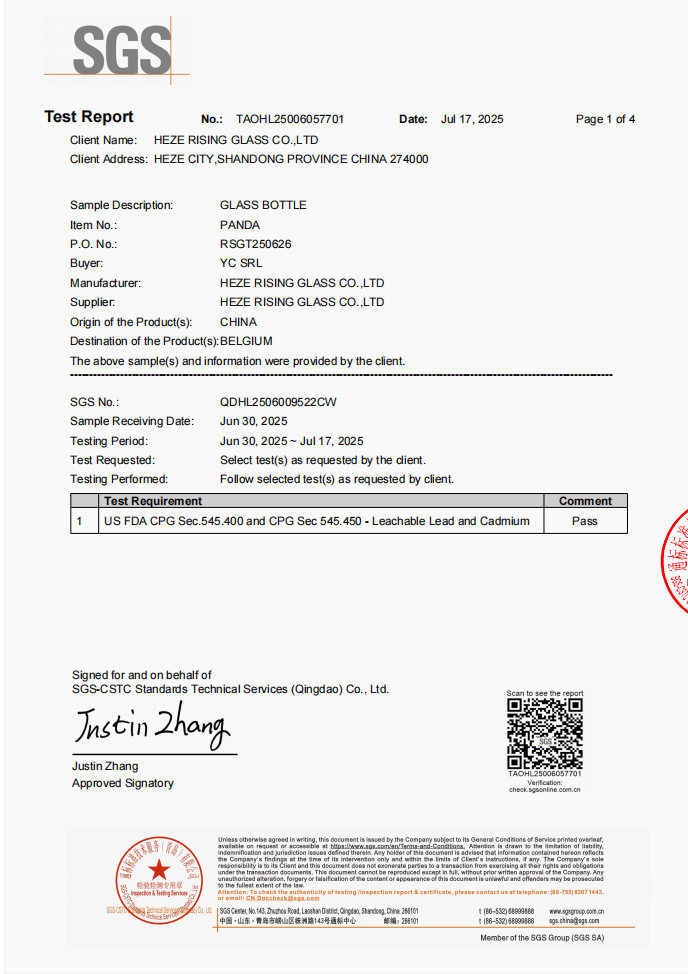
A qualified glass bottle manufacturer should be able to provide an FDA compliance statement or a food contact material compliance certificate. This document specifies which FDA standards the product meets.
If your supplier does not provide a compliance statement, or if you are unsure of its authenticity, you can hire a third-party lab for testing. Common tests include:
Heavy metal extraction test (lead, cadmium, etc.)
Overall migration test (total substances migrating into food)
Specific substance migration test (migration of specific harmful substances)
The FDA requires importers to retain all relevant documents, including:
Compliance statements
Test reports
Supplier information
Product specifications
These records must be kept for at least 2 years.
| Step | Action | Responsible Party |
|---|---|---|
| 1 | Confirm product materials and composition | Factory/Supplier |
| 2 | Request FDA compliance statement from supplier | Importer |
| 3 | Arrange lab testing (if needed) | Importer |
| 4 | Confirm all components (caps, labels, etc.) are compliant | Importer/Supplier |
| 5 | Retain all compliance documents | Importer |
| 6 | Cooperate with FDA inspections (if selected) | Importer/Customs broker |
A: In theory, all food contact materials must meet FDA requirements. However, not every shipment is inspected. The FDA conducts random checks. Non-compliant shipments may be detained.
A: Lab testing typically takes 7-15 working days, depending on the test items and the lab's workload.
A: If the supplier, materials, and processes remain unchanged, the compliance statement remains valid. If you change suppliers, materials, or production processes, you need to re-verify compliance.
A: If detained, the FDA will issue a notice. You will need to provide compliance documents or arrange for destruction/return. It is advisable to work with an experienced customs broker who can help handle such situations.
A: You can search the FDA's official website for recognized labs, or ask your freight forwarder and customs broker for recommendations. They usually have partnerships with testing agencies.
Here are some common FDA compliance issues and how to address them:
| Issue | Reason | Solution |
|---|---|---|
| Incomplete test report | Missing required tests | Supplement with additional tests |
| Supplier cannot provide compliance statement | Supplier lacks certification | Change supplier or arrange testing yourself |
| Cap material non-compliant | Non-food-grade plastic used | Switch to food-grade material |
| Label ink migration | Non-food-grade ink used | Change ink or add a barrier layer |
| Heavy metal超标 | Lead-containing raw materials used | Change glass formula or supplier |
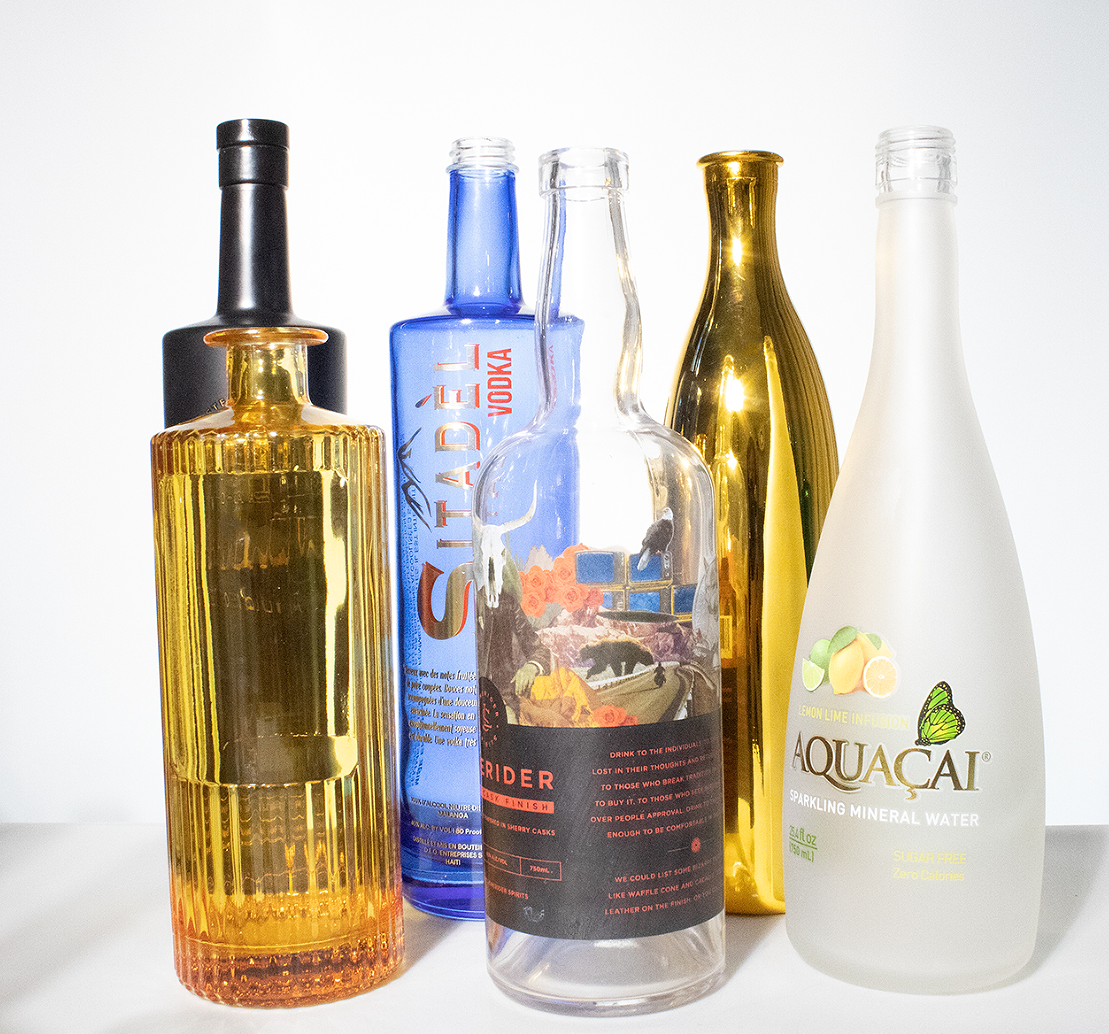
A qualified glass bottle supplier should be able to:
Provide an FDA compliance statement
Provide third-party test reports (if needed)
Clearly disclose product composition and material information
Cooperate with your compliance needs
When selecting a supplier, ask these questions:
Do your products have FDA compliance certificates?
Can you provide the latest test reports?
Will you notify us if materials change?
Are you familiar with food contact material regulations?
Ensuring FDA compliance for 700ml liquor bottle imports to the US is not complicated. Follow these key points and you will pass smoothly:
Choose an experienced supplier — They usually already understand FDA requirements
Request compliance documents — Ensure you have an FDA compliance statement or test report
Check all components — Caps, labels, adhesives, etc. also need to be compliant
Keep all records — Retain for at least 2 years
Work with a professional customs broker — They can help handle unexpected issues
If you are still concerned about FDA compliance, most issues can be avoided with good communication and preparation. The key is to prepare early — don't wait until your goods arrive at the U.S. port to discover problems.
If you are looking for an FDA-compliant 700ml liquor bottle supplier, or need assistance with FDA compliance assessment for your existing products, please contact us. We can help verify product compliance, provide relevant documentation, and help you enter the U.S. market smoothly.