 English
 français
 Deutsch
 Español
 italiano
 русский
 português
 tiếng việt
 Türkçe
 Polska
 Indonesia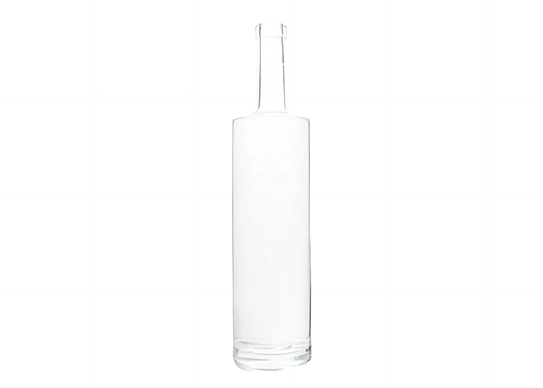

E-mail:
info@rsgbottle.com
EN

Walk down any beauty, beverage, or home care aisle. You have about three seconds to grab someone’s attention before their eyes move on. That’s it.
So when you’re choosing between a frosted or transparent custom glass bottle design, the question isn’t just about looks. It’s about survival on a crowded shelf.
Both styles work. But they work for very different reasons. Let’s break down what actually happens when a customer’s eyes land on your bottle—and which finish wins that split-second battle.
Most brands focus on shape and label. That’s a mistake.
The finish of your custom glass bottle—frosted or clear—sets the entire mood before someone reads a single word. It’s visual texture. And texture triggers instinct.
A transparent bottle says honest, pure, see-for-yourself. A frosted bottle whispers luxury, mystery, touch me.
Neither is better. But one of them directly matches how your target customer shops.
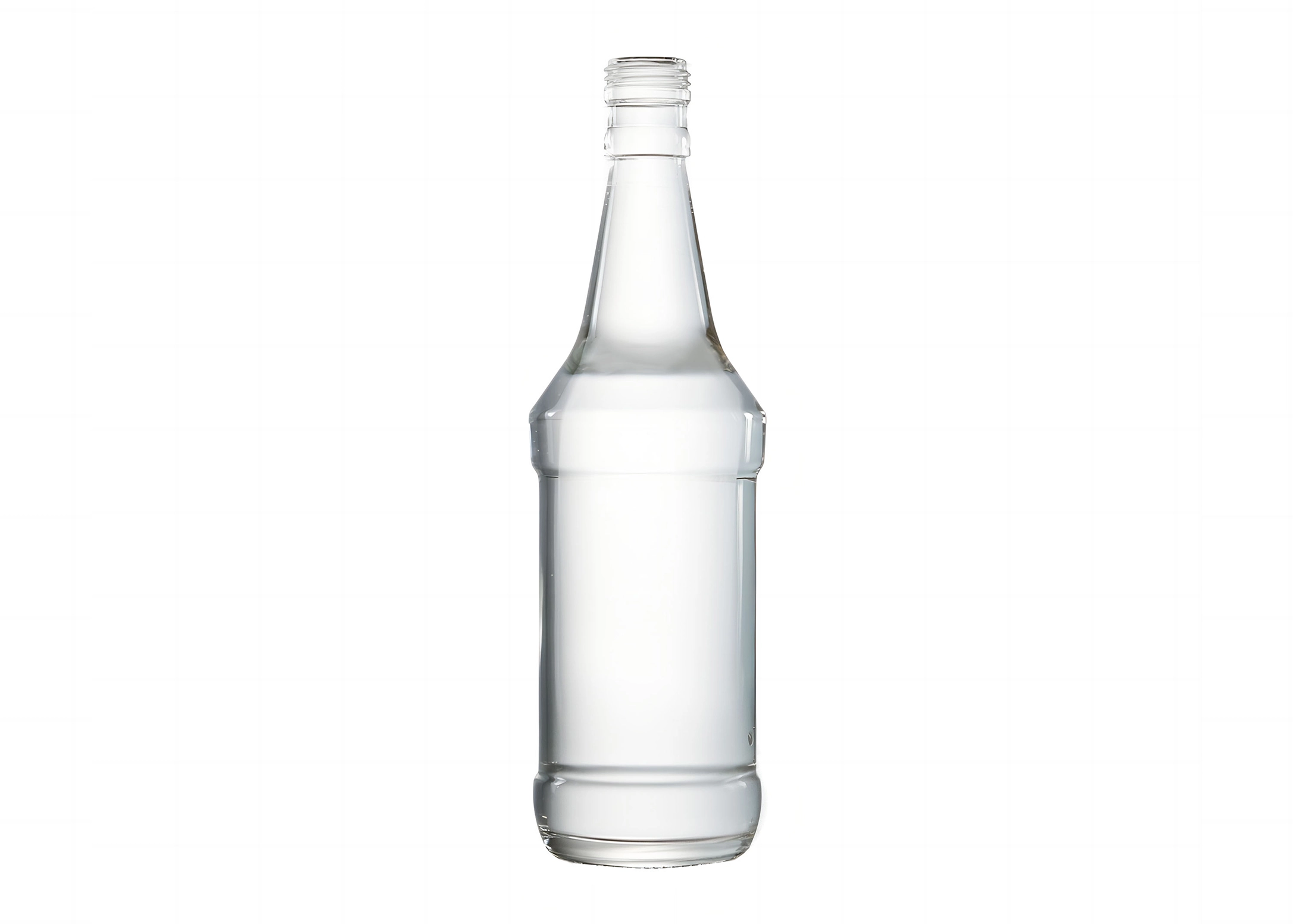
Transparent custom glass bottles dominate in categories where product appearance is the main selling point. Think cold-pressed juices, premium olive oils, botanical spirits, or clean skincare serums.
Why? Because seeing the actual liquid builds trust faster than any label claim.
A clear bottle puts your product on trial. If the color, texture, or sedimentation is part of your brand story (like unfiltered apple cider vinegar or a golden turmeric shot), transparency works in your favor. Customers don’t have to imagine what’s inside—they already see it.
Shelf attention here comes from contrast. A transparent bottle filled with ruby-red pomegranate juice next to pale yellow sports drinks? It stops the eye. No mystery needed.
But there’s a risk. If your product settles, separates, or looks unappealing from the side, transparent glass will expose every flaw. You can’t hide. And in that case, frosted becomes your better option.
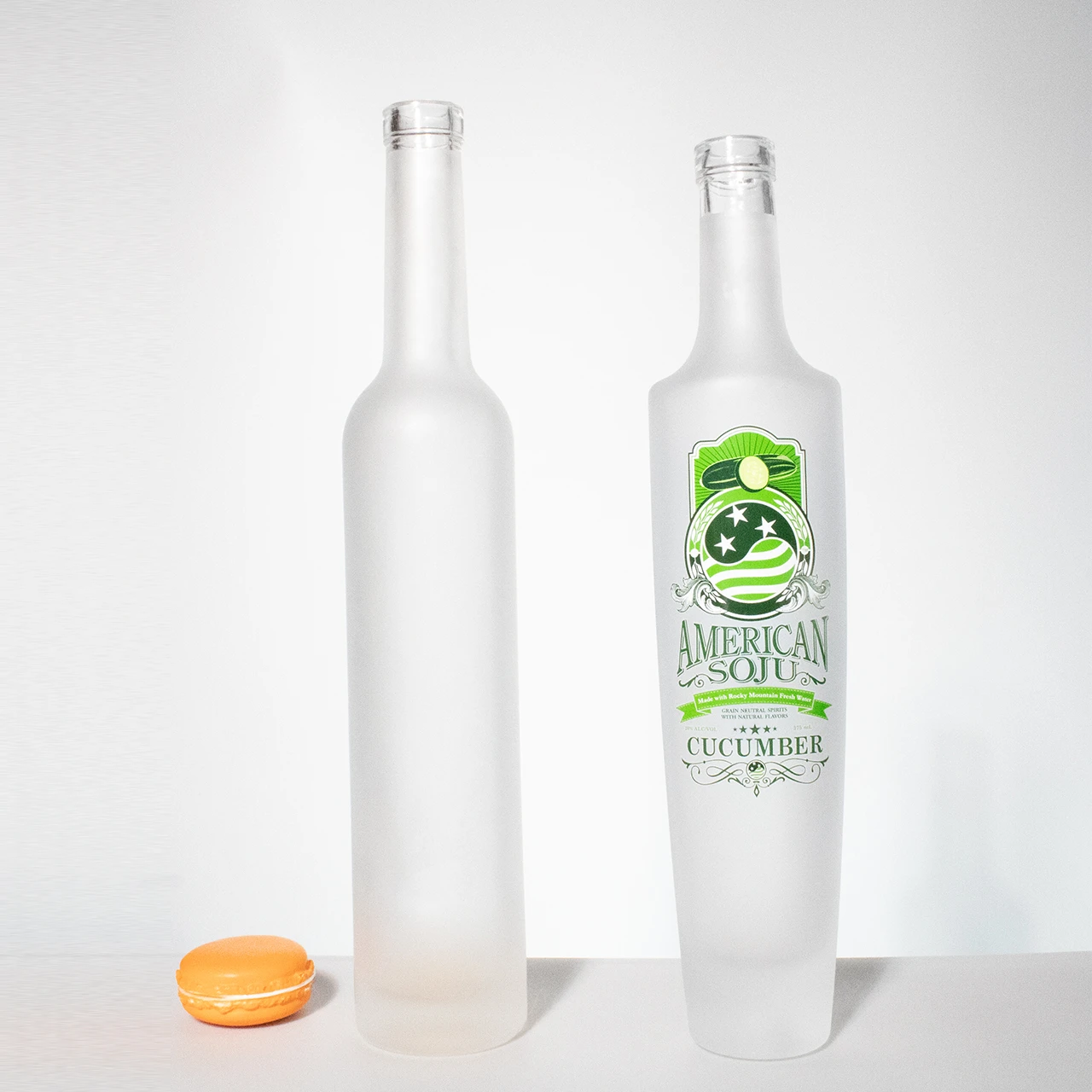
Frosted custom glass bottles don’t just sit on a shelf. They demand a second look.
The soft, diffused surface catches light differently. It feels softer, more expensive, and slightly exclusive. That’s why you see frosted glass everywhere in high-end perfumes, CBD oils, luxury lotions, and premium spirits like vodka or tequila.
What’s interesting: frosted bottles actually get more physical interaction in stores. People touch them. The matte finish invites handling in a way slick transparent glass doesn’t.
And here’s the shelf attention secret: frosted glass hides fingerprints, water spots, and minor product inconsistencies. If your formula isn’t perfectly clear or you want to create an air of sophistication, frosted is your shortcut to premium perception.
But it’s not perfect. Frosted glass reduces visibility, so if your product’s color is a key selling point (think blueberry vodka or rose oil), you lose that visual hook. You trade transparency for texture.
The biggest mistake? Choosing frosted or transparent based on personal preference instead of shelf environment.
Let’s be real:
- Under harsh fluorescent store lights, transparent bottles can look harsh or cheap. Frosted softens the glare.
- In natural-light settings (farmers markets, boutique shops), transparent glass sparkles. Frosted can look dull.
- Next to bright competitors, a clear bottle blends in. A frosted bottle stands out by being different.
- In a dark-colored liquid category (sodas, sauces), transparent glass might show nothing exciting. Frosted creates intrigue.
Also, don’t forget label readability. Dark text on a transparent bottle can disappear depending on the liquid behind it. Frosted glass gives you a consistent, opaque backdrop—your label pops every time.
Here’s the honest answer: It depends on your product and where it sits.
But if you force a choice based purely on “stopping power” in a retail setting:
Frosted glass bottles tend to outperform transparent ones in crowded, high-noise categories. Why? Because they break the visual pattern. Most bottles are clear. A frosted bottle is immediately different—and different gets noticed.
Transparent bottles win when your product’s natural appearance is the hero. No label can compete with a gorgeous amber liquid or vibrant green juice visibly glowing inside the glass.
Still, smart brands aren’t choosing one or the other forever. They’re testing both. A limited-edition frosted run next to a standard transparent version. Or a frosted shoulder with a transparent base.
Before you decide on your custom glass bottle design, walk into an actual store where your product would live. Look at the shelf. What finish is missing? If everything is clear, frosted will scream for attention. If everything is matte or painted, a crystal-clear bottle might feel fresh and honest.
Also think about your price point. Frosted signals premium. If you’re in value or mass-market, transparent often feels more approachable.
And don’t underestimate how a simple finish change can boost perceived value without changing your formula. Many small brands double their price simply by switching to a frosted custom glass bottle with a nice pump or cork stopper.
If shelf attention is your only metric, frosted design wins in most retail environments. The tactile curiosity and visual break from clear competitors give it an edge.
But long-term? The best custom glass bottle design matches your brand personality. Playful and pure? Go transparent. Luxe and mysterious? Frosted all the way.
Just don’t make the choice sitting at your computer. Go see the shelf first. Your bottle will thank you.
Looking for custom glass bottles in either frosted or transparent finish? Work with a supplier who sends real samples—because lights and screens lie, but your own hands don’t.