 English
 français
 Deutsch
 Español
 italiano
 русский
 português
 tiếng việt
 Türkçe
 Polska
 Indonesia
E-mail:
info@rsgbottle.com
EN

Short answer: It’s possible. But there are a few things you should know first.
If you think adding an embossed logo is like sticking on a label or having someone press a stamp onto a finished bottle, think again. Glass isn’t plastic. Once a bottle is formed, it’s pretty much set. Adding embossing actually means making changes to the mold used to create the bottle.
That said, once it’s done, the tactile, premium feel is hard to beat. For many brands, it’s well worth the effort.
In the packaging world, people often use “embossing” and “debossing” loosely. Here’s the difference:
Embossing: The logo or text rises up from the surface. You can feel it.
Debossing (recessed): The logo is carved into the surface. This is actually more common.
But either way, neither is added after the bottle is made. They’re created by the shape of the mold while the glass is still hot and liquid.
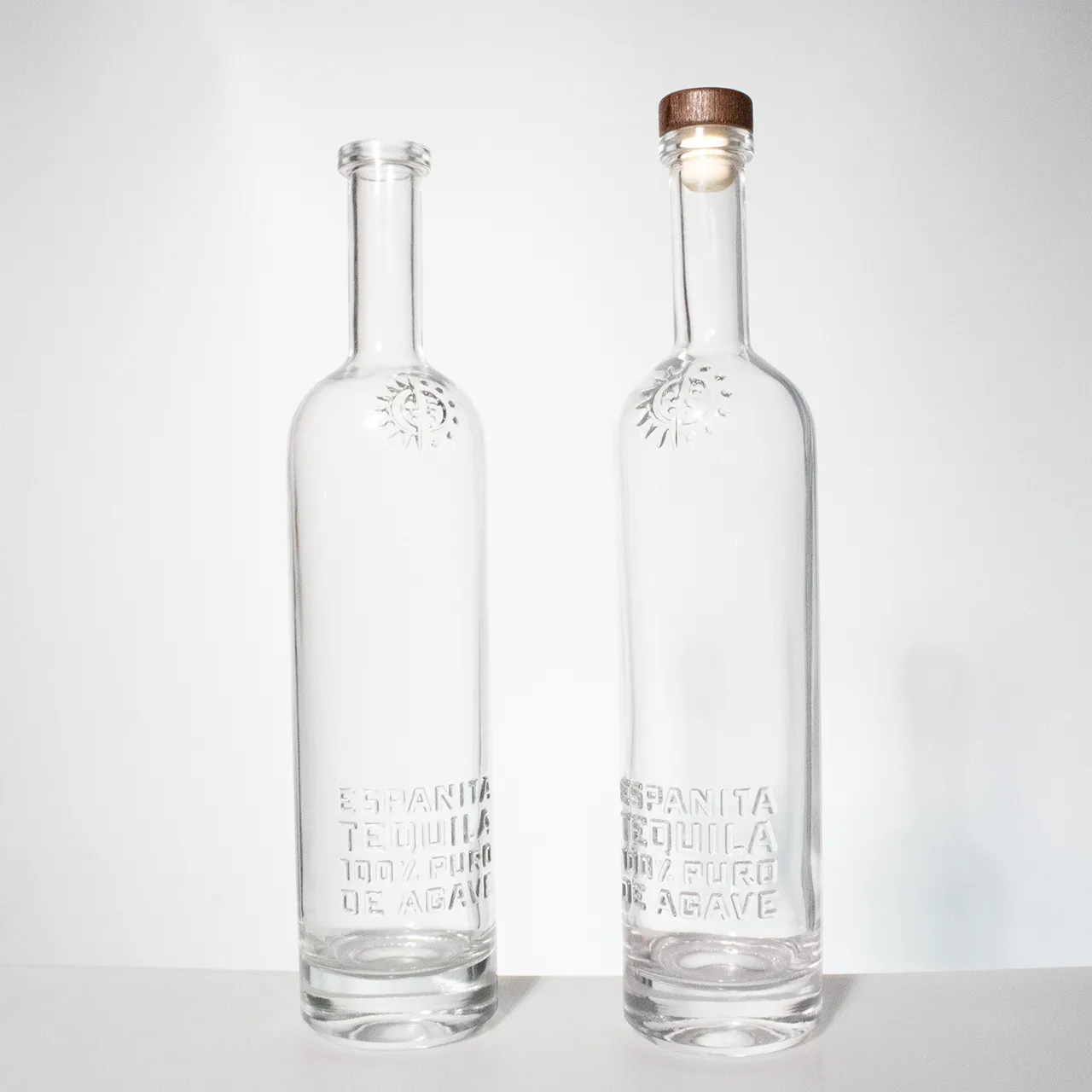
If you already have thousands of finished bottles sitting in a warehouse, you cannot go back and add embossing to them. At room temperature, glass is rigid and brittle. You can’t just press a shape into it.
So how do people do it?
Take the technical drawing of your existing bottle (dimensions, neck finish, volume).
Create a brand new mold with the logo carved into it.
Produce an entirely new batch of bottles using that new mold.
In other words, you’re not modifying your old bottles. You’re creating a new version of the same bottle — this time with a built-in logo.
Step 1: Get the bottle’s technical drawing
You need exact measurements — height, diameter, glass thickness, and especially the neck thread specs. If your original manufacturer has the CAD file, great. If not, you’ll need a 3D scan or manual measurements.
Step 2: Modify the mold — or make a new one
If the original factory owns the mold and there’s spare cavity space, they might be able to machine the logo directly into it. That’s cheaper.
But most of the time, you’ll need a completely new mold.
Typical cost: 2,000to2,000to15,000 USD, depending on complexity and number of cavities.
Step 3: Run samples — don’t rush to mass production
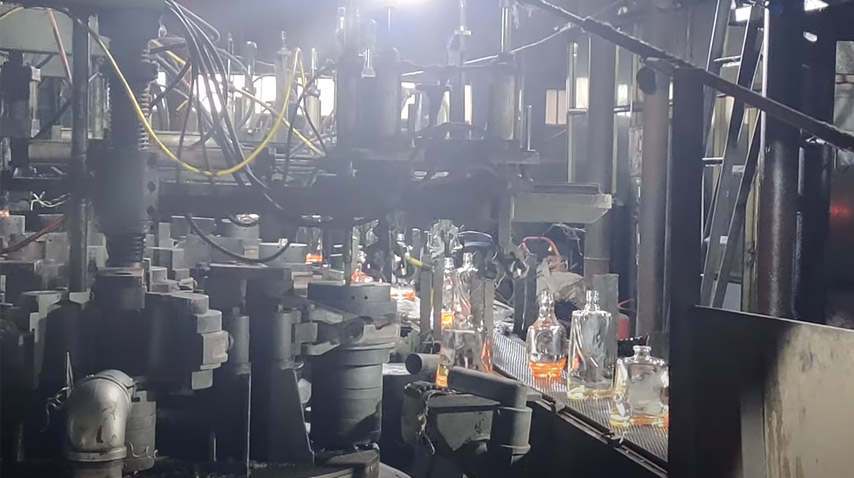
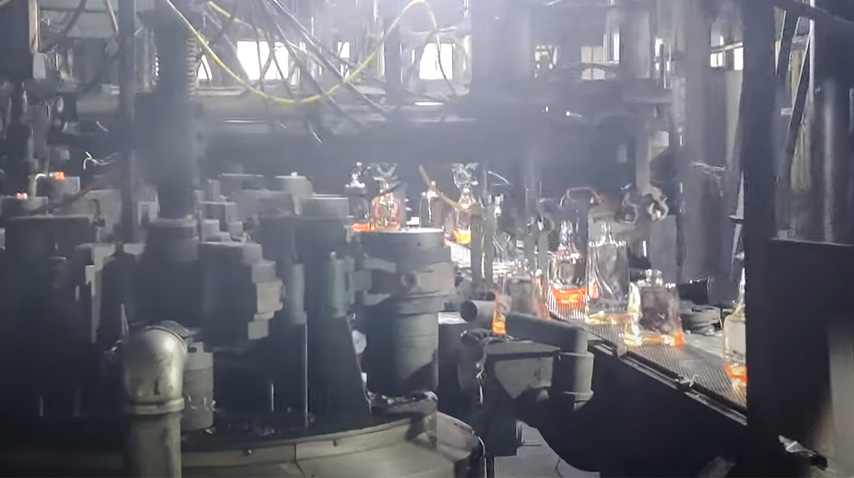
At over 2000°F (1100°C), glass flows. The embossed area changes how the glass moves. You’ll need to test several hundred bottles to check for:
Thin spots near the logo
Stress cracks
Whether the logo looks clean and fully formed
Step 4: Full production
Once samples pass quality control, all future orders will use the new mold with your logo.
Before you spend any money, check whether your logo design is actually suitable for embossing.
The logo can’t be too tall
Usually between 0.5mm and 1.5mm. If your bottle wall is only 2mm thick, you can’t have a 3mm raised logo. Taller designs require thicker glass, which adds weight and cost.
No undercuts
Glass molds open in straight lines — unlike plastic injection molding. Your logo can’t have any hooks, overhangs, or inward angles. Everything must taper outward.
Keep fonts simple
Serif fonts, script fonts, or very fine details often don’t fill properly. Bold, sans-serif, clean lettering works best. Fancy handwriting? Only if you have a very large budget.
Avoid tricky areas
Stay away from the bottom curve, the neck threads, and the mold seam line. These areas cause uneven glass flow, leading to distorted or incomplete logos..webp "未标题-45-转换自-jpg_(2).webp")
Here’s a realistic budget breakdown:
3D scanning / reverse engineering : 500–500–2,000
New mold (simple logo, 2 cavities) : 3,000–3,000–6,000
New mold (complex logo, multiple cavities) : 8,000–8,000–15,000+
Sampling and trial runs : 500–500–1,500
Total one-time setup : 4,000–4,000–18,000+
The cost per bottle only goes up by about 2 to 10 cents, mainly because production is slightly slower.
If you don’t have the volume or budget for true embossing, but still want that textured, premium feel, try these options on your existing bottles:
1. Applied Ceramic Labeling (ACL)
A thick screen-printed layer that feels raised, almost like embossing. Low setup cost. Works on finished bottles.
2. Acid etching or sandblasting (frosted look)
Creates a permanent recessed logo that looks very classy. Downsides: slow process, and if done inside the bottle, may raise food-safety concerns.
3. Metal or resin glued badges
A small metal or resin emblem attached with industrial adhesive. Feels very high-end. But it might interfere with recycling or industrial washing lines.
Embossing is worth it if:
You order 50,000+ bottles per year — the mold cost gets spread out nicely.
Your brand is mid-to-high end or luxury — embossing says “quality” in a way stickers never can.
You care about anti-counterfeiting — replicating your mold is very hard for fakers.
Your bottle shape won’t change for 2–3 years — you want to use that mold for a long time.
A craft whiskey distillery wanted to add their family crest to a stock bottle. They worked with a Chinese glass factory, paid 7,500foranew4−cavitymold.Eightweeksand7,500foranew4−cavitymold.Eightweeksand2,000 in samples later, they ran 100,000 bottles.
The per-bottle cost went up by 7.5 cents. But on the shelf, the bottle looked and felt completely different from competitors. Their sales went up 22% that year.
Call your current bottle supplier — Ask if they own the mold and if there’s empty space to add a logo.
Get the CAD file — If you have it, send it to a glass engineer for a quick review.
Ask for a feasibility study — Most large glass manufacturers offer this for free.
Get at least three quotes — Compare one domestic factory and two overseas.
Always order samples first — Never go straight to full production.
Yes, you can add an embossed logo to an existing glass bottle design — but you’re essentially creating a new version of that bottle. It requires new tooling, lead time, and a one-time investment. If you have volume and a long-term commitment to your bottle shape, embossing is a powerful branding move. For small runs or frequent design changes, stick with labels or ACL printing .
If you're looking for a glass manufacturer that actually listens and knows how to handle embossing on existing bottle designs, check out RSG Glass. They specialize in mid-to-high-end glass packaging and are particularly good at turning existing bottle shapes into custom-branded work — from mold evaluation to full production. A solid partner that saves you a lot of headaches.