 English
 français
 Deutsch
 Español
 italiano
 русский
 português
 tiếng việt
 Türkçe
 Polska
 Indonesia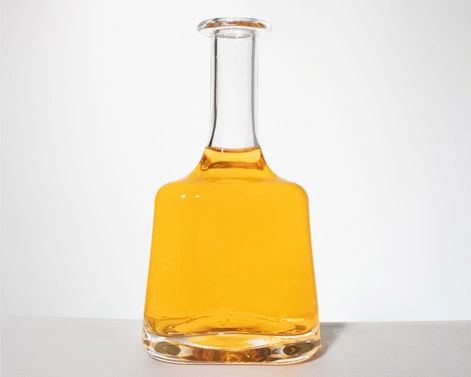

E-mail:
info@rsgbottle.com
EN

In the competitive spirits market, the first impression of a product often comes from its container—the bottle. A thoughtfully designed custom spirit bottle is more than just a vessel; it’s a physical embodiment of a brand’s story, value, and consumer experience. It can catch the eye on a crowded shelf, convey quality through touch, and build an emotional connection with the buyer. To create a successful custom spirit bottle in a wholesale context, the following five key factors are essential.
The Core Idea: The bottle is a three-dimensional brand statement.
The primary task of custom bottle design is to faithfully and creatively communicate the brand’s essence, going far beyond a simple label:
Infusing the Soul: The bottle’s shape, lines, and decorative elements should originate from the brand story. Does it stem from a heritage recipe or a modern distillation philosophy? Does it evoke a rugged, adventurous spirit or a refined, urban sophistication?
Extending the Visual System: The bottle design must maintain strong visual consistency with the brand’s logo, color palette, outer packaging, and marketing materials to create a cohesive and powerful brand impression.
Creating an Emotional Touchpoint: The design should spark curiosity and resonance, making the bottle itself a story worth sharing.
Practical Tip: During the initial design phase, work closely with your designer or manufacturer to deeply explore your brand’s history, values, and target audience. Ensure every design element serves a purpose and carries meaning
.webp "12.8__(1).webp")
The Core Idea: Great design balances aesthetics with practicality.
A beautiful bottle that is difficult to grip, pour from, or reseal will negatively impact the user experience and repeat purchases.
Ergonomics: The bottle’s curvature, weight distribution, and neck thickness should ensure a comfortable grip and a smooth, controlled pour. For premium spirits, a solid, substantial feel is often crucial.
Sealing & Preservation: The closure (cork, screw cap, ceramic stopper) must ensure a perfect seal to preserve the spirit’s integrity. The opening mechanism itself can become part of the ritualistic experience.
Practical Considerations: Consider logistics. Is the design efficient for shipping, warehousing, and shelf display? Unique shapes are memorable but may increase logistical costs and limit shelf compatibility.
Practical Tip: Create full-scale physical prototypes to repeatedly test for grip, balance, and pouring functionality before finalizing the design.
The Core Idea: Texture is the silent language of luxury.
The material forms the tangible foundation of the bottle’s look and feel, while craftsmanship gives it character.
Glass Quality: The choice between standard flint, premium ultra-clear, or colored glass significantly impacts perceived quality, clarity, and weight.
Craftsmanship Techniques:
Ceramic Printing & Enameling: For durable, opaque, or special color effects.
Screen Printing & Hot Stamping: Ideal for intricate logos and detailed graphics.
Embossing & Engraving: Creates tactile, three-dimensional details that greatly enhance perceived value, either through mold design or post-production techniques.
Specialty Closures: Wooden caps, metal tops, or wax seals can serve as the perfect finishing touch.
Innovation & Sustainability: Explore using recycled glass (cullet) or designing bottles for reuse/repurposing, aligning with growing environmental consciousness.
Practical Tip: Strategically allocate your budget. Use high-end techniques like embossing on the most visible panels (e.g., front logo) and opt for standard applications on secondary areas for the best cost-to-impact ratio.
The Core Idea: Stand out in a fraction of a second.
The retail environment is the ultimate test. Your bottle must attract attention in milliseconds.
Silhouette Recognition: A unique silhouette (square, flat, asymmetrical) can create instant brand recognition from a distance.
Color Strategy: Within a category’s typical color scheme (e.g., amber for whisky, clear for vodka), clever use of a contrasting or signature color can make a bottle pop.
Display Adaptability: The design must work in both physical and digital environments. In e-commerce, will the bottle’s unique details translate effectively through product images?
Practical Tip: Mock up your design alongside competitors' bottles in a realistic shelf image to objectively assess its visual impact and standout potential.
The Core Idea: Balance creativity with commercial reality.
An imaginative design must ultimately be manufacturable at scale.
Mold Cost: Complex, custom-shaped bottles require significant upfront investment in mold development.
Production Feasibility: Designs must align with glass-forming and finishing processes. Sharp angles, overly thin walls, or deep concave details can increase production difficulty and defect rates.
Scaled Cost Analysis: Accurately calculate how each process (material, coloring, printing, etc.) affects the per-unit cost to ensure the design fits within the target budget.
Supply Chain Reliability: Partner with a capable producer to ensure stable lead times from prototyping to bulk delivery.
Practical Tip: Engage with an experienced manufacturer early in the design process for feasibility feedback. This prevents costly last-minute changes due to production constraints.
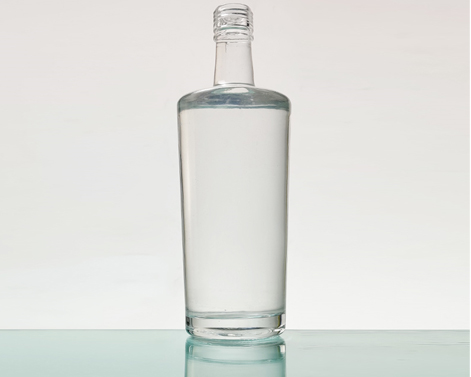
.webp "12.8__(2).webp")
Translating these five key factors from concept to reality requires a partner with creative insight, technical expertise, and commercial acumen. This is where a specialist like RSG Glass Bottle proves invaluable.
For spirit brands seeking excellence in wholesale custom bottle design and production, RSG Glass Bottle offers a comprehensive, one-stop solution:
End-to-End Collaboration: Their team understands the importance of brand narrative. They work with you from the initial concept phase, providing expert technical and aesthetic guidance to ensure your brand’s soul is captured in the glass.
Superior Craftsmanship & Quality Control: With advanced glass manufacturing and deep processing capabilities, RSG ensures impeccable execution—from high-purity materials to exquisite finishing techniques like embossing, screen printing, and hot stamping.
Expert Cost Optimization: Leveraging extensive industry experience, RSG helps navigate cost considerations from the outset, finding the optimal balance between creative ambition and budget to deliver exceptional value.
Reliable Supply Chain: They offer a stable and dependable partnership, managing everything from mold development and sample approval to consistent bulk production, quality assurance, and on-time delivery.
A successful custom spirit bottle is the crystallization of brand strategy, an expression of craftsmanship, and a vital bridge to the consumer. By focusing on these five critical factors and partnering with a dedicated specialist like RSG Glass Bottle, you gain the confidence to create an iconic vessel that not only holds a premium spirit but also holds the key to market distinction.
Begin shaping your signature bottle today. Let your product make a statement before it’s ever poured.