 English
 français
 Deutsch
 Español
 italiano
 русский
 português
 tiếng việt
 Türkçe
 Polska
 Indonesia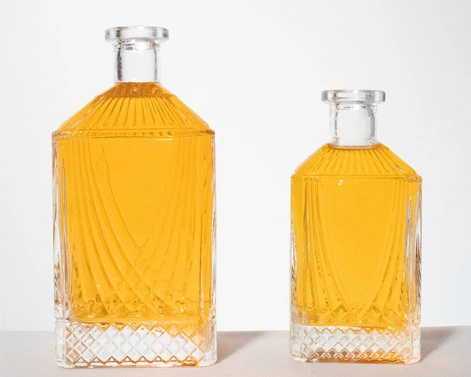
E-mail:
info@rsgbottle.com
EN

So you've got the perfect spirit—now you need a bottle that does it justice. Whether you're launching a new whiskey, gin, vodka, or tequila brand, the packaging is often the first thing your customers see. And if you're going custom, you're probably wondering: How long is this actually going to take?
The honest answer? It depends. But let's break it down so you know what you're signing up for.
The Reality Check: It's Longer Than You Think
If you're hoping to have custom bottles in hand within a month, you might want to adjust those expectations. Most industry sources agree that a fully custom spirits bottle—from initial concept to delivery at your distillery—typically takes 4 to 6 months. Some manufacturers quote slightly shorter timelines of 3 to 4 months for less complex projects, while others suggest 4 to 5 months for a smooth process.
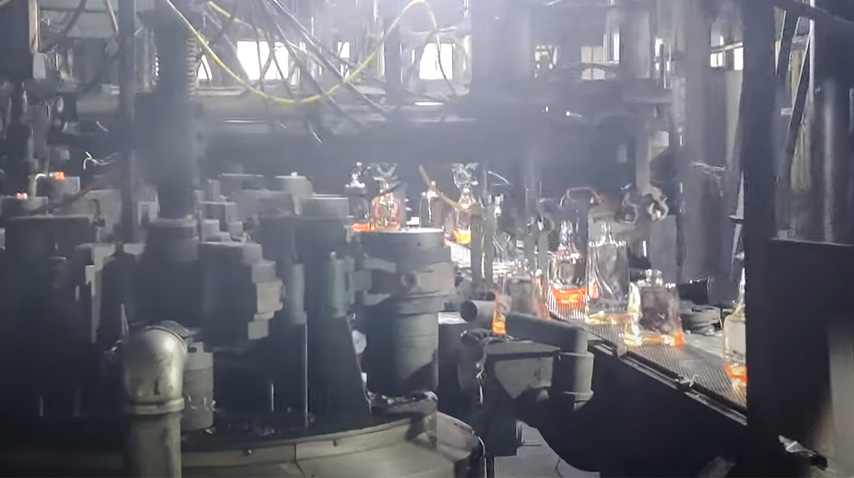
Here's the thing: glass manufacturing isn't like printing labels. You're dealing with molten glass, precision molds, international shipping, and quality control at every stage. Rush this process, and you risk ending up with bottles that don't meet your standards—or worse, bottles that leak, crack, or simply don't look like what you envisioned.
Breaking Down the Timeline
Let's walk through what actually happens during those months, because understanding the process helps you plan better and avoid nasty surprises.
Phase 1: Design & Concept (2–4 weeks)
This is where your vision gets translated into technical reality. You'll work with designers to nail down the shape, weight, capacity, and finish of your bottle. Do you want a heavy base that screams luxury? A slender neck that feels elegant in the hand? Embossed details that catch the light?
Most manufacturers estimate 2 to 4 weeks for this phase. Some can move faster—offering 3D designs in 2–3 days if you already know what you want. But don't rush this part. Getting the design right now saves you from expensive mold modifications later.
Phase 2: Mold Creation (4–6 weeks)
Here's where things get serious—and where most of your upfront investment goes. Custom molds are typically made from high-grade cast iron and can cost anywhere from $850 to $1,200for standard bottles, or $7,000+for complex designs.
The mold-making process usually takes 4 to 6 weeks, though some manufacturers quote 20 days for simpler molds. This is non-negotiable time. The molds need to be precision-machined, tested, and refined before they can produce consistent, high-quality bottles.
Phase 3: Sampling & Approval (2–4 weeks)
Once your molds are ready, the factory produces physical samples. This is your first chance to hold the actual bottle in your hands—and it's often a reality check. The weight might feel different than expected. The color might not be quite right. The proportions might look slightly off when viewed in three dimensions.
Sampling typically takes 2 to 4 weeks, though some sources suggest 15 days for initial samples. If modifications are needed, expect another 2–4 weeks for revised samples. This back-and-forth is normal, but it adds to your timeline. Budget for at least one round of revisions—most projects need them.
Phase 4: Mass Production (3–6 weeks)
Once you've approved the samples, production begins. For a standard order, mass production takes 25–30 days or roughly 3–4 weeks. Larger orders or complex decorations might extend this to 4–6 weeks.
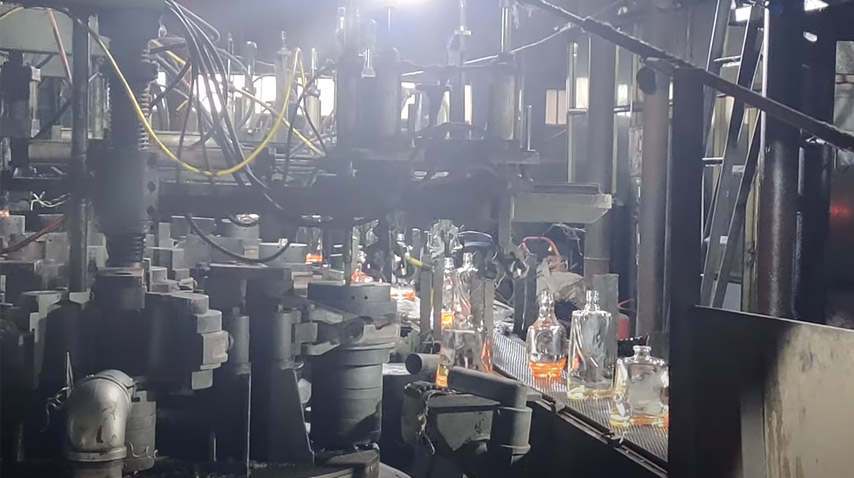
During this phase, your bottles are formed, cooled, inspected, and prepared for decoration. Quality control happens continuously—manufacturers typically inspect 1–2% of bottles for defects.
Phase 5: Decoration & Secondary Processing (Variable)
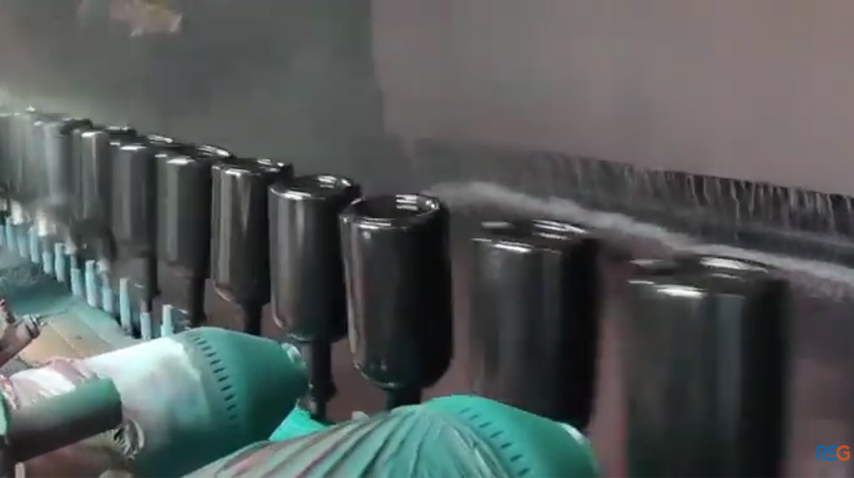
If you're adding color coating, frosting, screen printing, or labeling, this adds time. Some decorations happen during production; others are secondary processes. Simple decorations might add a week; complex hand-painted details or electroplating could add several weeks.
Phase 6: Shipping & Logistics (2–6 weeks)
Finally, your bottles need to get from the factory to you. If you're importing from China (where many glass manufacturers are based), ocean freight typically takes 2.5 to 5 weeksdepending on your location. West Coast U.S. ports might see bottles in 2.5–3 weeks; East Coast destinations could wait 4–5 weeks.
Don't forget customs clearance and inland transport—add another 1–2 weeks to be safe.
The Compressed Timeline: When You Need It Faster
What if you simply can't wait 4–6 months? You have a few options, though each comes with trade-offs:
Stock Bottles with Custom Decoration: Many manufacturers offer "stock" bottles—existing designs you can customize with labels, screen printing, or color coating. This can cut your timeline to 7–15 days for production, or 3–5 days if bottles are already in warehouse stock. You lose the uniqueness of a custom shape, but you gain speed.
Express Mold Services: Some suppliers offer expedited mold creation for a premium. You might shave 1–2 weeks off the standard timeline, but you'll pay significantly more.
Air Freight:If you're desperate, shipping by air instead of sea can reduce transit time from weeks to days. Just be prepared for freight costs that could double your total investment.
What Can Slow Things Down?
Even with the best planning, delays happen. Here are the most common culprits:
- Design revisions:Every change to the mold requires new samples and resets the clock by 2–4 weeks.
- Holiday seasons: Chinese New Year and other major holidays can shut down factories for weeks.
- Quality issues If samples don't meet specifications, you're back to the drawing board.
- Customs complications: Documentation errors or inspections can hold up shipments at ports.
- Payment delays: Most manufacturers require 30% deposit to start and 70% before shipping. Delays in payment delay production.
Planning Your Launch: Working Backwards
Here's a practical approach: start with your target launch date and work backwards.
Example: You want bottles ready for a September 1st product launch.
- September 1: Launch date
- July 15–August 1:Buffer for unexpected delays
- June 15–July 15: Inland transport, customs, warehousing
- May 15–June 15: Ocean shipping (4–5 weeks)
- April 15–May 15: Mass production (4 weeks)
- March 15–April 15: Sampling and revisions (4 weeks)
- February 1–March 15: Mold creation (6 weeks)
- January 15–February 1: Design finalization (2–3 weeks)
Start your design process in mid-January for a September launch. That gives you nearly 8 months, which might seem excessive—but experienced brand owners will tell you that buffer time gets used more often than not.
The Bottom Line
A custom spirits bottle isn't a quick purchase. It's a multi-month investment that requires patience, planning, and realistic expectations. The industry standard of 4–6 months from design to delivery exists for a reason—glass manufacturing is complex, quality control is critical, and international logistics take time.
But here's the silver lining: once you've been through the process once, subsequent orders move faster. Your molds are already made. Your designs are approved. Reorders might take just 8–12 weeks from order to delivery.
So start early. Communicate clearly with your manufacturer. Build in buffer time. And remember—that distinctive bottle sitting on the shelf, catching the light just so, telling your brand's story before a customer even reads the label? That's worth the wait.
-Why RSG Glass Makes Sense for Your Custom Bottle Project
Now that you understand the timeline, let's talk about who can actually deliver on these promises. RSG Glass has established itself as a solid choice for spirits brands looking to navigate the custom bottle process without unnecessary headaches.
What sets them apart? For starters, they understand that communication matters when you're managing a 4–6 month project. Their team handles the technical heavy lifting—mold design, sampling coordination, production scheduling—so you're not left guessing about where things stand.
Their production capabilities cover the full spectrum.Whether you need a straightforward 750ml whiskey bottle or something more ambitious with embossing, custom colors, or complex geometries, they've got the infrastructure to handle it. They work with both standard flint glass and premium options like extra-flint for that high-end crystal clarity.
Quality control is built into their process, not tacked on at the end. This matters because catching a defect at the sampling stage saves you from discovering problems when 10,000 bottles arrive at your warehouse. Their inspection protocols align with what you'd expect from established manufacturers—checking wall thickness, dimensional accuracy, and finish integrity before anything ships.
For brands watching their budget, RSG Glass offers practical flexibility. They can advise on design modifications that reduce mold costs without sacrificing visual impact. Sometimes a slight adjustment to the shoulder angle or base thickness can cut your mold investment significantly while keeping the aesthetic you want.
The logistics side is where experience really counts. RSG Glass coordinates shipping from their manufacturing facilities through to your destination, handling the documentation and customs clearance that trip up less experienced importers. If you've never navigated international freight before, having a partner who manages this regularly is invaluable.
Bottom line: If you're serious about creating a custom spirits bottle and want a manufacturer who respects both your timeline and your quality standards, RSG Glass deserves a conversation. They've been through this process enough times to know where the pitfalls are—and how to avoid them.
Planning your custom bottle project? Reach out to RSG Glass early in your process. The sooner you start the conversation, the more time you have to refine your design and hit your target launch date.