 English
 français
 Deutsch
 Español
 italiano
 русский
 português
 tiếng việt
 Türkçe
 Polska
 Indonesia
E-mail:
info@rsgbottle.com
EN

The craft gin market is crowded. Walk into any liquor store and you will see dozens of bottles fighting for attention. A standard bottle shape gets lost on the shelf. That is why more distilleries now want to source custom gin bottles unique shapes embossing craft distilleries can use to stand out. Your bottle is not just packaging. It is your brand's first handshake with a customer. A unique shape and embossed logo can turn a stranger into a buyer.
.webp "未命名的设计 (5).png")
Before you contact any supplier, write down your brand story. Is your gin inspired by coastal botanicals? Then a wave-like shoulder or a sea-glass texture makes sense. Is it a London Dry with royal roots? A tall, classic silhouette with a crest embossed on the shoulder works better. When you source custom gin bottles unique shapes embossing craft distilleries love, the design should come from your story, not from a catalog. Suppliers can only guide you after they understand your brand. So bring your mood board, your label draft, and your vision.
Sourcing custom glass is not easy. Many distilleries get burned by suppliers who promise unique molds but deliver poor quality. Common problems include bottle mouth tolerances that do not match filling lines. Embossing depth that looks flat after production. Frosting that comes out uneven. And shipping delays that push back your launch date. If you want to source custom gin bottles unique shapes embossing craft distilleries can rely on, you need to ask tough questions early. Do not just compare prices. Compare process control, mold experience, and export track record.
.webp "未命名的设计 (3).png")
Almost any shape is possible with a custom mold. But some shapes are easier to produce than others. Round and oval bottles are the simplest. Square and rectangular bottles need more careful wall thickness control. Triangular or asymmetric shapes are possible but cost more and take longer to develop. Embossing can be added to the shoulder, base, or side panel. A raised logo on the shoulder feels premium in hand. A debossed pattern on the base adds a hidden surprise. When you source custom gin bottles unique shapes embossing craft distilleries can produce at scale, always ask for a 3D rendering before mold cutting.
Embossing on glass is done during the molding process. The mold itself has the design cut into it. This means the embossing is permanent and will not fade. There are two main types: raised embossing and debossed (sunken) embossing. Raised embossing gives a tactile feel and catches light. Debossed embossing is more subtle and works well for fine details. You can also combine embossing with frosting or screen printing. For example, a frosted bottle with a raised logo and gold foil looks stunning. Always ask your supplier for a sample with your embossing before mass production.
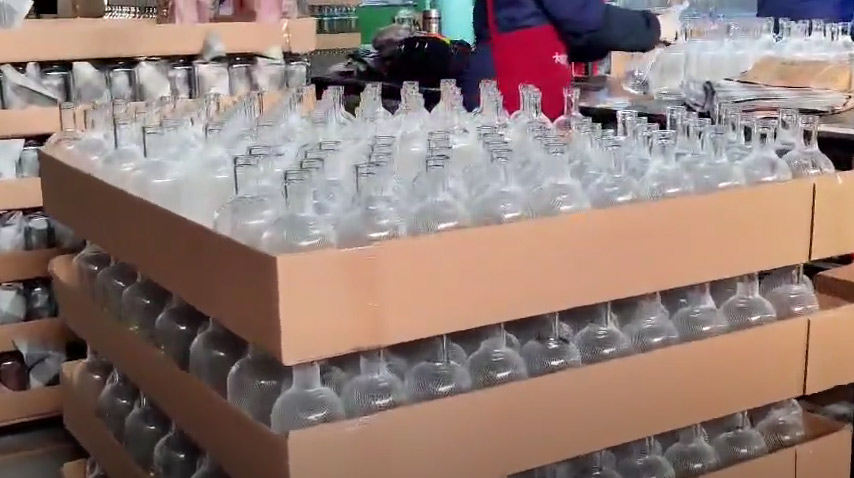
Unique shapes and embossing are just the start. Frosting gives the glass a soft, matte finish. Screen printing adds durable brand colors. Foil stamping brings a metallic shine. When you combine all three, you get a bottle that looks and feels luxury. A frosted base makes foil pop. Embossing adds depth. Screen printing ties it all together. This combination is exactly what craft distilleries need to compete with big brands. If you want to source custom gin bottles unique shapes embossing craft distilleries can be proud of, look for a supplier who does all of this in-house.
Many glass factories outsource frosting, printing, and foiling. This adds lead time and raises defect rates. A true custom bottle partner should control the entire process. That means glass forming, frosting, embossing, screen printing, and foil stamping under one roof. When one team handles everything, color matching is tighter. Foil registration is more accurate. You also get faster sampling and better production consistency. For a craft distillery launching a new gin, this can save weeks of back-and-forth.
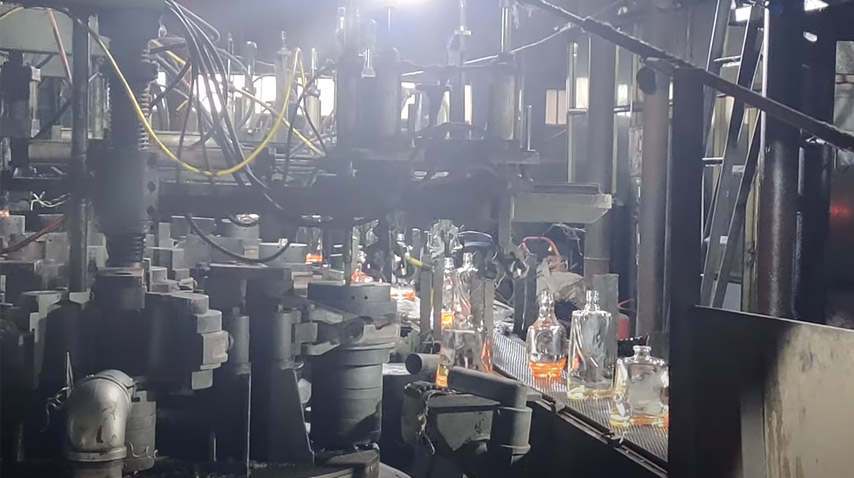
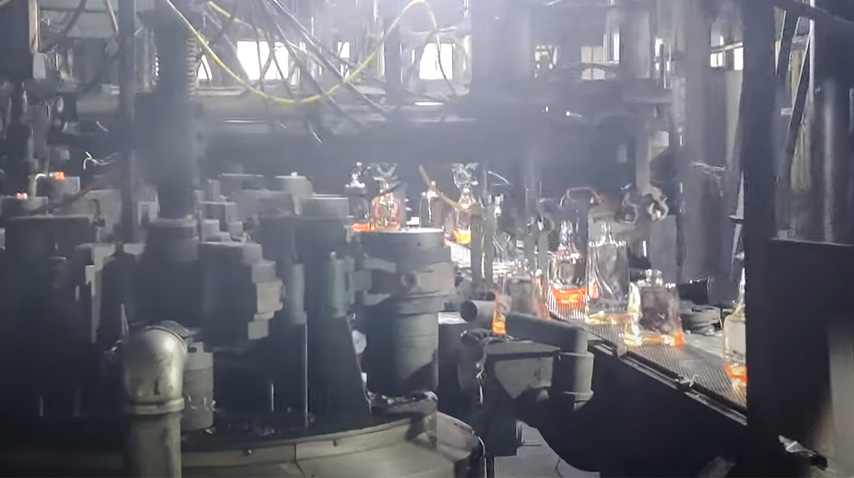
Start by asking for a video tour of their factory. Look for their mold workshop, frosting line, and printing area. Ask how long they have been making custom molds. Request samples with embossing and foil. Check the bottle mouth inner diameter and vertical axis deviation. These two specs affect filling line compatibility more than anything else. A good supplier will walk you through every stage. They will also offer mold design support. If they cannot explain their embossing process in detail, move on.
Custom molds are not free. Tooling fees usually range from 1600 USD to 4000 USD, depending on complexity. Minimum order quantities for custom molds are typically 10,000 pieces. Some suppliers offer lower MOQs for stock molds with custom decoration. If you are a new craft distillery, start with a stock shape and add embossing or screen printing. Once your brand grows, invest in a fully custom mold. This keeps your upfront cost low while still giving you a unique bottle.
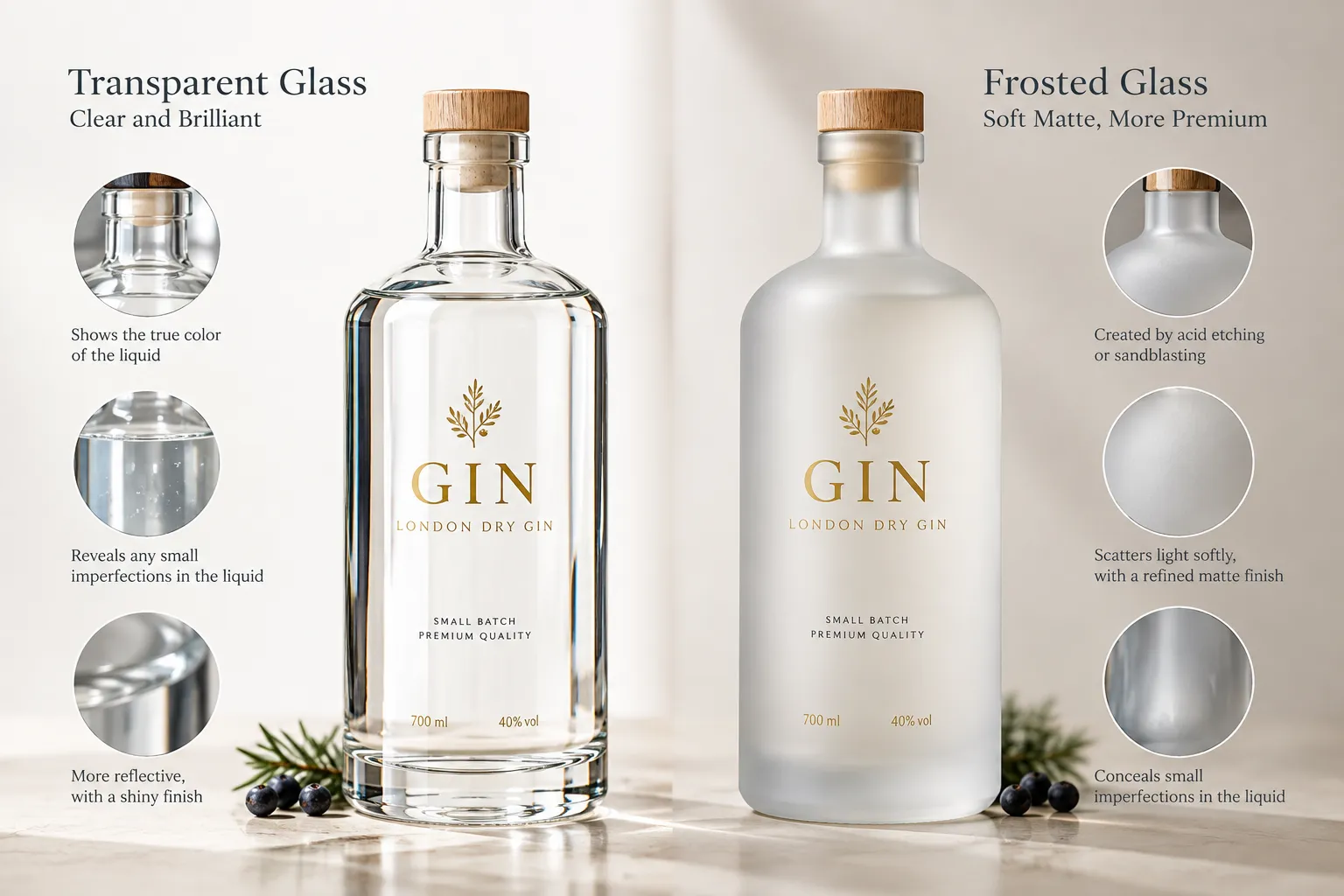
Never approve a custom bottle without a physical sample. Ask for three samples: one raw frosted bottle, one with embossing only, and one with embossing plus screen printing and foil. This helps you evaluate each stage. Check the embossing depth, the frosting texture, and the foil adhesion. Fill the sample with water and check for leaks. Run it through a dishwasher a few times if you plan to reuse it. A good supplier will provide samples in 7 to 15 days. Always approve the sample in writing before mass production.
Glass is heavy and fragile. Custom shapes and embossing can make bottles even more delicate. Poor packaging leads to high breakage rates. Use pallets with dividers and foam inserts. For full container loads, palletize bottles with corner boards and stretch wrap. For samples, use DHL or FedEx with custom foam trays. A professional supplier will offer DDP door-to-door shipping. This means you do not worry about customs clearance or compliance paperwork. They should also understand food contact requirements for your target market.
Your bottle supplier is a long-term partner, not a one-time vendor. Choose someone who communicates clearly and meets deadlines. They should offer consistent quality across repeat orders. They should also help you improve designs over time. Many craft distilleries start with a standard bottle and move to a custom mold after their first successful run. A good partner will grow with you. They will suggest cost-saving changes without sacrificing the premium look your brand needs.
To source custom gin bottles unique shapes embossing craft distilleries can truly benefit from, focus on three things. First, find a supplier with in-house mold and decoration capabilities. Second, always test a physical sample before mass production. Third, make sure they understand export compliance for your market. When you get it right, your bottle becomes part of your brand identity. That is the real value of custom glass packaging.
Q1: What is the minimum order quantity for custom gin bottles with unique shapes?
A: MOQ depends on whether you use a stock mold or a custom mold. Stock molds usually start at 3,000 to 5,000 pieces. Custom molds may require 10,000 to 30,000 pieces. Contact the factory for a specific quote.
Q2: Can you do both embossing and screen printing on the same bottle?
A: Yes. Many craft distilleries combine embossing with screen printing and foil. Embossing adds texture and depth. Screen printing provides color. Foil adds metallic shine. The factory will advise on the best order of operations.
Q3: How deep can the embossing be on a glass bottle?
A: Embossing depth usually ranges from 0.3 mm to 1.5 mm. Deeper embossing is possible but may affect mold life and production cost. Always approve a physical sample before mass production.
Q4: What is the lead time for custom molds and bulk orders?
A: Custom mold development usually takes 15 to 25 days. Samples take another 7 to 15 days. Bulk production takes 25 to 35 days after sample approval. Shipping time depends on your destination.
Q5: Can I start with a small order and scale up later?
A: Yes. Many distilleries start with a stock mold and custom decoration. Once your brand grows, you can invest in a fully custom mold. This keeps your upfront cost low while still giving you a unique bottle.