 English
 français
 Deutsch
 Español
 italiano
 русский
 português
 tiếng việt
 Türkçe
 Polska
 Indonesia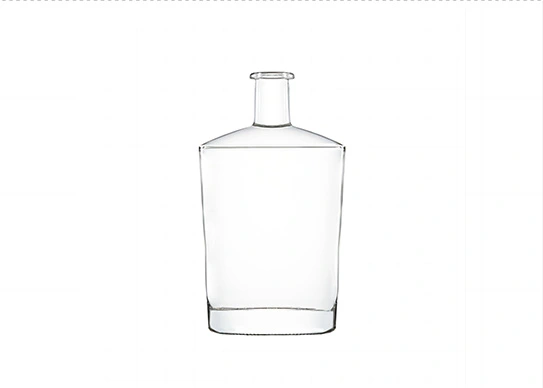
E-mail:
info@rsgbottle.com
EN

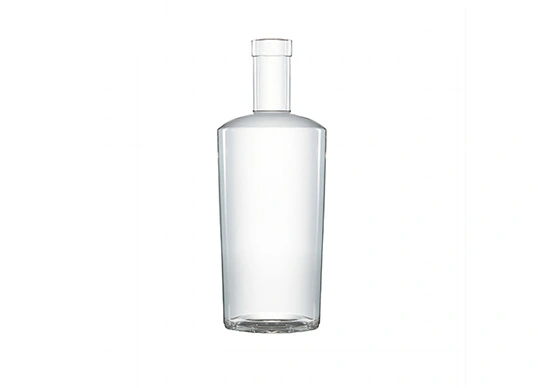
A bottle is often the first thing customers notice about a gin brand. A well-designed custom gin bottle can make the product more recognizable, while an embossed logo adds texture and makes the brand part of the glass itself. For craft and premium gin brands, this can create a stronger shelf presence.
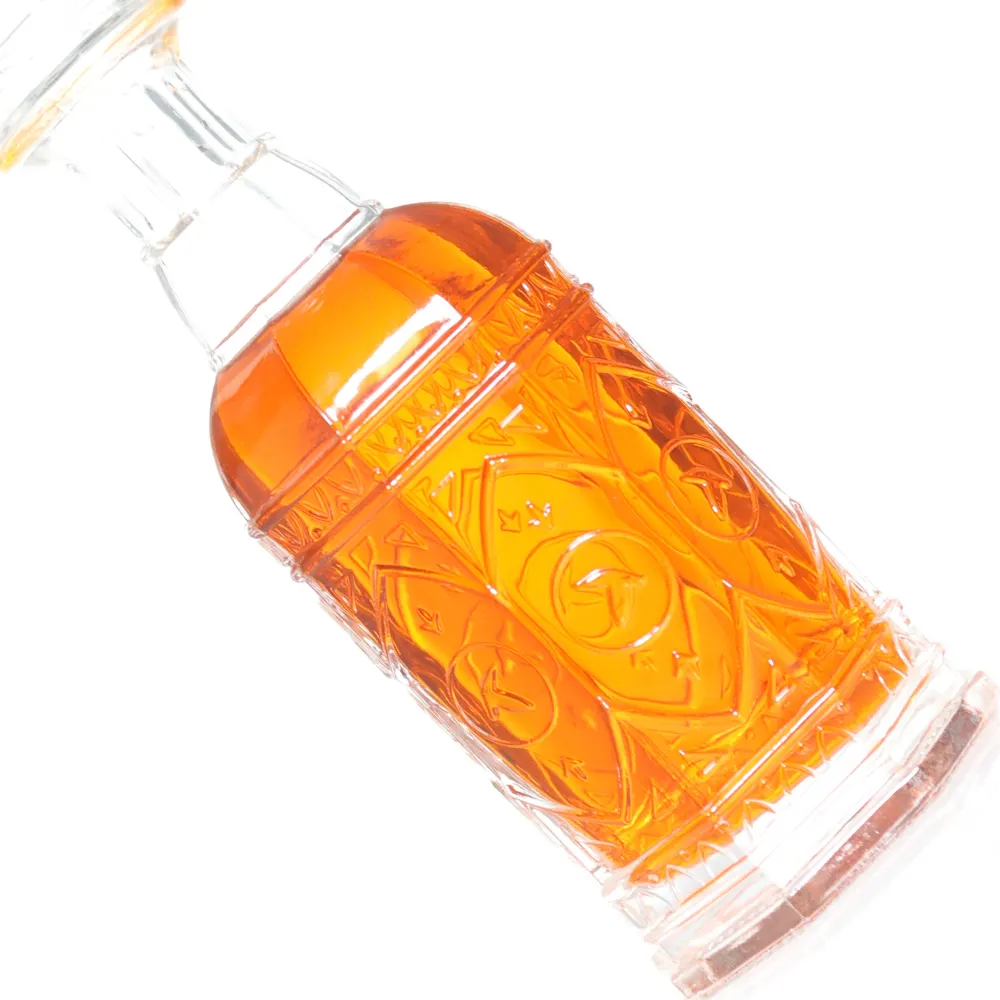
Developing a custom gin bottle involves more than creating an attractive shape. The bottle also needs to work with closures, filling, packaging and shipping. Good planning from the beginning can help avoid unnecessary changes and costs.
Standard bottles are easy to source, while different brands may end up using similar designs. A custom gin bottle gives you more freedom to create a shape that matches your brand. An embossed logo is formed directly into the glass through the bottle mold, allowing customers to see and feel the brand details.
A simple bottle with a well-designed embossed logo can also stand out without using a sticker label or other decoration. This makes embossing a practical option for brands looking for a distinctive and premium appearance.
Start with the basic requirements, including capacity, shape, height, diameter and bottle weight. Common gin bottle sizes include 1000ml, 700ml and 750ml, although custom capacities are also possible.
Consider the style of your brand and how the bottle will be used. The neck finish needs to match the selected closure, while the bottle dimensions should work with your filling and packaging system.
The embossed logo should be considered at the beginning of the project. Very thin lines or small details may not reproduce clearly in glass, so the glass bottle manufacturer should review the artwork before making the mold.
AI, EPS or editable PDF files are normally preferred. The logo can be placed on the front, shoulder or base of the bottle, with the front panel usually offering the best visibility.
Glass quality affects the appearance of the finished bottle. Super flint glass is widely used for gin, while an embossed logo can provide a cleaner and brighter appearance for premium packaging.
Bottle color, frosting and coating can also change the overall look. Bottle weight should be considered carefully because a heavier bottle provides a solid hand feel while also increasing shipping costs.
Once the drawing is approved, the manufacturer can develop the bottle mold. Bottle dimensions, wall thickness, neck finish, base design and embossed logo should all be checked before mold production.
For complex designs, a 3D prototype can help confirm the bottle proportions before the final mold is made. Making changes at this stage is easier than changing the design after production begins.
After the mold is completed, the first glass samples can be produced. Check the bottle appearance, dimensions, weight and embossed logo from different angles and under different lighting.
The neck finish should also be checked with the selected closure. If the bottle will be used with an existing filling line, compatibility should be confirmed before mass production. The approved sample should then be kept as the production reference.
Embossing can be combined with other finishes such as frosting, spray coating and screen printing. Frosting creates a matte appearance, while screen printing can add brand colors and product information.
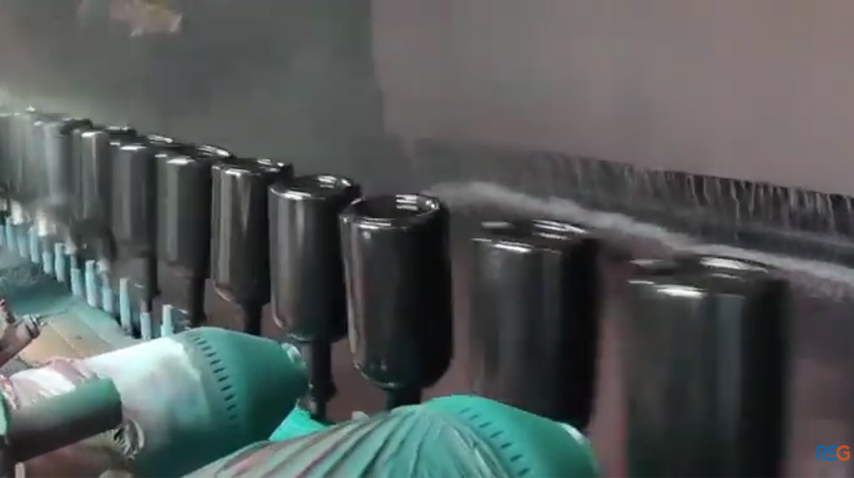
Spray coating can be used for specific bottle colors or finishes, including glossy and metallic effects. Any decoration should be tested and approved on samples before mass production.
.webp "custom gin bottle (1).webp")
.webp "custom gin bottle (2).webp")
For more bottle options, visit our Custom Gin & Spirits Glass Bottles. RSG provides standard and bespoke glass bottle solutions for gin and other spirits.
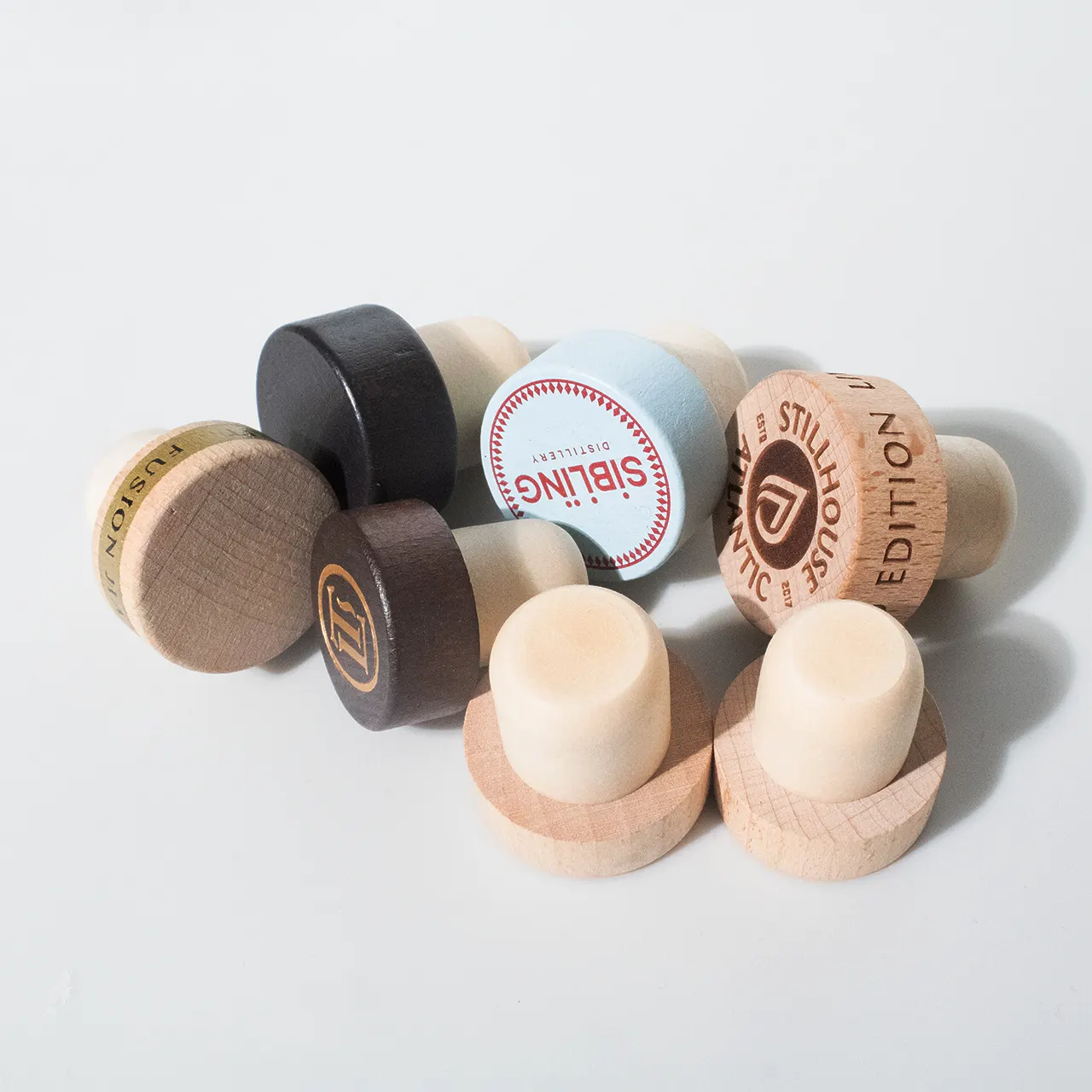
The closure should match both the bottle and the brand style. Synthetic cork and other closure options can be used depending on the design.
The neck finish and closure need to be confirmed before the bottle mold is finalized. A well-matched closure can also complete the overall appearance of the bottle.
Once the sample is approved, the custom gin bottle can move into mass production. Before production starts, confirm the capacity, glass type, weight, dimensions, neck finish, embossed logo and decoration.
Quality control should cover bottle appearance, weight, dimensions and glass defects. Suitable cartons, dividers and pallets are also important for protecting bottles during international shipping.
The cost depends on bottle weight, mold complexity, order quantity and decoration. For smaller projects, using an existing bottle with custom decoration may help avoid new mold costs.
For larger projects, a custom mold provides more freedom to create a bottle specifically for the brand. Shipping costs should also be considered because bottle weight can affect the total packaging cost.
Before contacting a glass bottle manufacturer, prepare your bottle capacity, logo artwork, preferred shape and estimated order quantity. Reference photos or technical drawings are also helpful.
If you only have a rough idea, that is fine. An experienced manufacturer can help develop the concept into a production-ready bottle and advise on glass, mold, decoration and closure options.
Developing a custom gin bottle with an embossed logo involves several stages, from concept and artwork to mold development, sampling and mass production. The bottle shape, glass quality, logo, closure and decoration should be considered as one complete package.
With proper planning, a custom bottle can combine distinctive design with practical production and packaging requirements. For craft and premium gin brands, the bottle itself can become an important part of the brand identity.
Yes. An embossed logo is formed directly into the glass through the bottle mold. The artwork should be reviewed before mold production to make sure the details are suitable for glass manufacturing.
Not always. If an existing bottle meets your requirements, custom decoration may be enough. A new mold is normally needed for a new bottle shape or an embossed logo.
AI, EPS or editable PDF files are normally preferred. Very thin lines and small details may need to be adjusted for clear embossing.
Yes. Embossing can be combined with frosting, spray coating and screen printing. Samples should be approved before mass production.
500ml, 700ml and 750ml are common sizes. Custom capacities can also be developed depending on the project requirements.
The timeline depends on the bottle design, mold complexity and approval process. It normally includes drawing approval, mold development, sample production and final approval.
Send your bottle capacity, logo, reference design and estimated order quantity. If you have a drawing, include your preferred glass color and closure. If you only have an idea, a manufacturer can help develop it into a production-ready design.
RSG Glass supplies standard and custom glass bottles for gin and other spirits. Custom projects can include special bottle shapes, embossed logos, frosting, spray coating and screen printing, along with matching closures and packaging.
If you have a new bottle idea, send us your drawing, logo or reference image. We can review the project and discuss the mold, glass quality, decoration and production options.