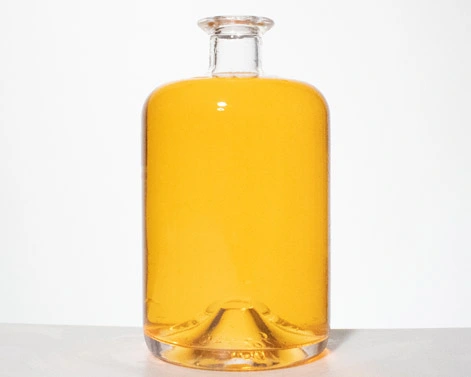
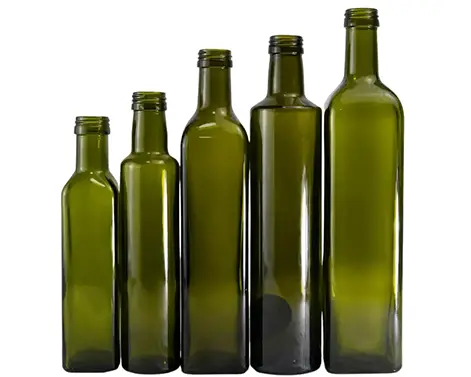
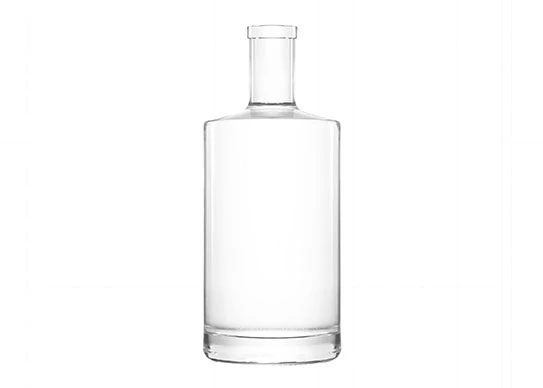
Choosing the right rum bottle is an important part of building a strong spirits brand. The bottle protects the rum, but it also shapes the first impression of the product. A well-designed bottle can make a rum brand look more premium and memorable. Custom closure colors can add another simple but effective branding element.
For rum producers, sourcing bottles is not only about finding a suitable shape. You also need to consider bottle capacity, glass quality, closure compatibility, color options, and order quantity. These details can affect both the appearance and production process. Working with an experienced glass bottle supplier can make the process much easier.
If you are sourcing rum bottles for a new brand, you already know one thing. The bottle is not just packaging. It is the first thing a buyer sees on a crowded shelf. Standard bottles are everywhere, a...
When choosing a whiskey bottle, most brands focus first on the shape, color, and finish. However, glass thickness is also an important part of the bottle design. It affects the bottle’s weight, strength, appearance, and overall handling experience. For brands looking for a reliable 750ml whiskey bottle manufacturer, understanding glass thickness can help create better packaging.
Why Custom Gin Bottles Matter for Craft DistilleriesThe craft gin market is crowded. Walk into any liquor store and you will see dozens of bottles fighting for attention. A standard bottle shape gets ...
For a spirits brand, the bottle is more than packaging. It affects how the product looks on the shelf, how it feels in the hand, and how efficiently it runs through the bottling line. For this reason, choosing the right OEM glass liquor bottle manufacturer requires more than comparing unit prices.
RSG Bottle supplies glass bottles for whisky, gin, vodka, rum, tequila, brandy, and other spirits. We provide both standard and bespoke bottle designs, along with matching closures, decoration, cartons, and dividers. This allows distilleries and spirits companies to manage more of their packaging supply through one manufacturing partner.
Why Brand Owners Search for a Reliable Frosted Gin Bottle ManufacturerFinding the right frosted gin bottle manufacturer can make or break your product launch. Many brands struggle with suppliers who p...
Launching a gin brand is exciting. But the bottle? That part can be stressful. You need something that looks premium, fits your brand, and doesn't break your budget. That is where a custom persona...
A whiskey bottle is more than a container. It is one of the first things customers notice when they see a spirits brand. The right bottle can make a product look more premium and memorable. For whiskey brands, packaging can be an important part of the overall brand story.
Custom Gin Bottle Supplier – Unique Shapes, Embossing & Screen PrintingFinding the right custom gin bottle supplier is one of the most important decisions you will make for your brand. The bottle...
Every launch season, the same tension shows up in my inbox. Marketing has approved a stunning render. Operations has not seen the sample yet. And I am the one who has to tell the brand team that their dream bottle might jam at bottle number two hundred on a Monday morning fill run.
When you start a custom whiskey bottle project, the first question is always the same. How much will the mold cost? And how long will it take? These two factors can make or break your product launch t...
A whiskey bottle is your brand’s handshake. It is the first physical contact between your product and your customer. And for most premium spirits, that bottle holds 750ml. It is the standard. It is the size consumers expect. But standard does not have to mean boring. With the right surface finish, your 750ml whiskey bottle becomes a story. It becomes an experience. And it becomes the reason someone picks your bottle instead of the one next to it.
We use cookies to offer you a better browsing experience, analyze site traffic and personalize content. By using this site, you agree to our use of cookies.
Visit our cookie policy to learn more.
 English
 français
 Deutsch
 Español
 italiano
 русский
 português
 tiếng việt
 Türkçe
 Polska
 Indonesia