 English
 français
 Deutsch
 Español
 italiano
 русский
 português
 tiếng việt
 Türkçe
 Polska
 Indonesia
E-mail:
info@rsgbottle.com
EN

Buying whiskey bottles for the first time can feel overwhelming. You may already have a brand name, a label design, and an idea of how you want your product to look. But turning that idea into a finished glass bottle involves several decisions.
For a new whiskey brand, distillery, or spirits importer, the bottle is more than packaging. It represents your brand and affects filling, storage, transportation, and overall costs.
If you are first time buying custom whiskey bottles, you may be wondering where to start and what information a supplier needs. You do not need a complete technical drawing before your first inquiry. Start with a few basic requirements and work through the details step by step.

Before choosing a bottle, think about the whiskey you are selling. Is it a premium single malt, blended whiskey, bourbon, or a private-label product?
Different products often need different packaging styles. A craft distillery producing small-batch whiskey may prefer a heavy-bottom bottle with a distinctive shape. A large spirits company may focus more on practical packaging and production efficiency.
Also consider your target market. A bottle designed for European retail shelves may have different capacity requirements from one intended for the US market. Understanding your customers and sales channels will help narrow down your choices.
This is one of the first decisions when buying custom whiskey bottles.
A stock bottle is an existing design that a glass factory already produces. You can choose from different shapes, capacities, and glass colors. Some manufacturers also offer decoration services, including frosting, spraying, and logo printing.
The main advantage is a lower initial investment. There is no need to develop a new mold, and production can usually start sooner. Stock bottles are a practical choice for new brands or smaller orders.
A custom mold gives you more design freedom. You can develop your own bottle shape, dimensions, base, shoulders, and embossed logo. However, it requires an additional mold investment and development time.
If this is your first project, consider starting with a stock bottle and adding custom decoration. It can be a good way to test the market before investing in a completely new design.
Common whiskey bottle capacities include 375ml, 500ml, 700ml, and 750ml. The right choice depends on your target market and sales requirements.
For example, 700ml bottles are widely used in the UK and many European markets, while 750ml is common in the United States.
Capacity is not the only consideration. Bottle height, width, and base diameter also matter. A tall, slim bottle may look elegant, while a wider bottle may create a stronger presence on retail shelves.
Think about transportation and storage as well. If you plan to use individual gift boxes or ship bottles on pallets, the bottle dimensions will affect carton design and container loading.
A bottle may look attractive in a product photo, but it must also work with your filling equipment.
This is particularly important for distilleries and contract bottling companies using automatic production lines. Bottle height, base stability, neck dimensions, and opening size can all affect filling and capping operations.
For example, an unusually shaped bottle may require additional checks before it can run smoothly on a conveyor. An unsuitable label surface may also cause problems during automatic labeling.
Before approving a new design, ask your filling facility to review the technical drawing. Check the bottle dimensions, neck finish, filling method, and labeling area.
If you work with a third-party bottler, involve them early. It is much easier to identify potential problems before mold production than after thousands of bottles have been manufactured.
Glass clarity and bottle weight both influence the final appearance.
Common glass options include extra flint, high flint, and normal flint. Extra flint offers a clearer appearance with less green tint. High flint provides a balance between clarity and cost, while normal flint is generally a more economical choice.
A premium whiskey brand may prefer extra flint glass to show the color of the whiskey more clearly. However, the best option depends on your design and budget.
Bottle weight also deserves attention. A heavier base can give the bottle a solid, premium feel. On the other hand, more glass means higher material consumption and greater shipping weight.
Discuss the ideal weight with your supplier based on the bottle design, positioning, and order quantity.
The stopper is a small component, but it has a noticeable impact on the finished product.
Bar-top stoppers are commonly used for whiskey bottles. The top can be made from natural wood, polymer, or other materials. The sealing part may use natural cork, synthetic cork, or micro-agglomerated cork.
Natural wood, such as beechwood, creates a traditional appearance. Polymer tops offer more flexibility in color and design.
More importantly, the stopper must fit the bottle neck correctly. Ask your supplier for samples and check the dimensions and sealing performance before mass production.

A standard bottle can look quite different with the right decoration.
Common options include:
· Embossed logos: Formed directly in the glass mold for a permanent brand detail.
· Frosting: Creates a matte surface and a more understated appearance.
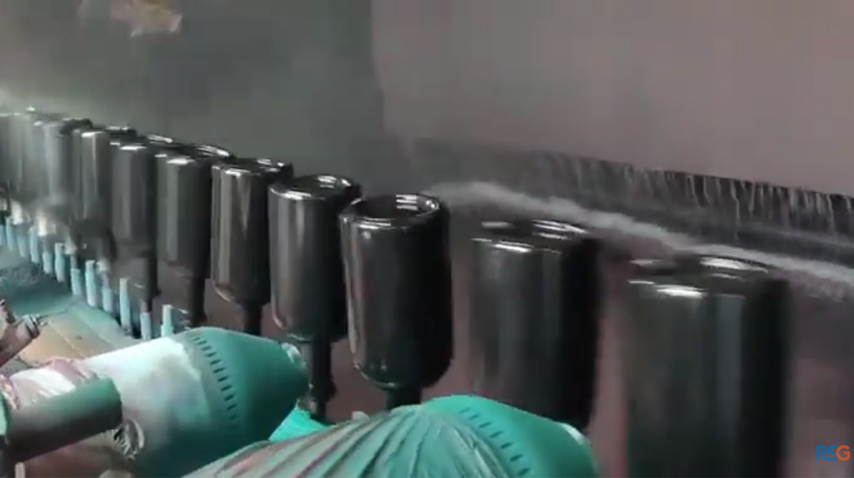
· Spray coating: Allows custom colors, including black, white, gold, and other Pantone shades.
· Screen printing: Prints logos and artwork directly onto the glass.
· Baked decals: Suitable for more detailed decorative designs.
When choosing decoration, consider how the bottle will look after filling. You may want to keep a clear section so customers can see the whiskey inside.
If you plan to use paper labels, make sure the bottle has a suitable flat surface. Label placement should be confirmed before the final design is approved.
For a custom bottle, the factory normally charges a separate mold fee. This is a one-time development cost rather than a charge for every bottle produced.
The actual cost depends on the bottle design and mold requirements. Before paying, clarify mold ownership, storage arrangements, and future production conditions.
MOQ is another important point. Glass manufacturing requires stable production conditions, so factories normally have minimum order quantities. These vary depending on the bottle design and manufacturer.
You should also confirm the production schedule. A custom project usually involves drawing confirmation, mold production, sample approval, mass production, decoration, and packing.
A new mold requires additional development time. An existing stock bottle can usually move to production more quickly. Always ask for a realistic delivery schedule before confirming your order.
Never rely entirely on drawings or product photos.
A technical drawing shows dimensions, but it cannot fully demonstrate the bottle's weight, transparency, or overall feel. A physical sample gives you a better understanding of the finished product.
Check the bottle shape, base thickness, glass clarity, logo position, and surface finish. If you have a special stopper, test it with the actual bottle.
For new designs, it is also worth checking the sample with your filling facility. Once everything is approved, keep the sample and confirmed specifications as references for mass production.
You do not need to know every technical detail before contacting a manufacturer. However, a few basic details will help the supplier recommend suitable options and prepare a quotation.
Prepare the following information:
· Bottle capacity, such as 700ml or 750ml.
· Preferred bottle shape or reference pictures.
· Estimated order quantity.
· Glass quality and preferred weight, if known.
· Stopper type.
· Decoration requirements.
· Destination country or port.
· Filling line requirements, if applicable.
If you have a reference photo or an existing bottle you like, share it with the supplier. It is often the easiest way to communicate your expectations.

Buying custom whiskey bottles for the first time does not have to be complicated. Start with your product, target market, estimated quantity, and preferred bottle style.
Then consider the practical details, including filling line compatibility, glass quality, stoppers, decoration, and transportation. Request samples before approving mass production, especially when developing a new mold.
A good glass bottle manufacturer should do more than provide a price. They should help you turn your initial idea into packaging that can be produced efficiently, filled smoothly, and delivered safely.
If you are planning your first whiskey bottle project, a reference photo, target capacity, and estimated order quantity are usually enough to start the conversation.