 English
 français
 Deutsch
 Español
 italiano
 русский
 português
 tiếng việt
 Türkçe
 Polska
 Indonesia
E-mail:
info@rsgbottle.com
EN

Choosing the right liquor bottle is an important decision for any spirits brand. It affects product presentation, filling efficiency, shipping costs, and the customer's first impression. For distilleries, importers, and contract bottlers, the bottle must look good and work well in daily production.
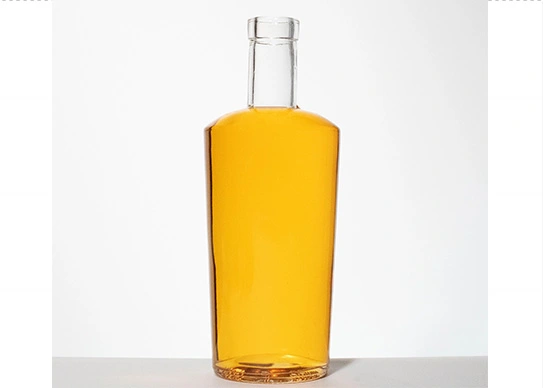
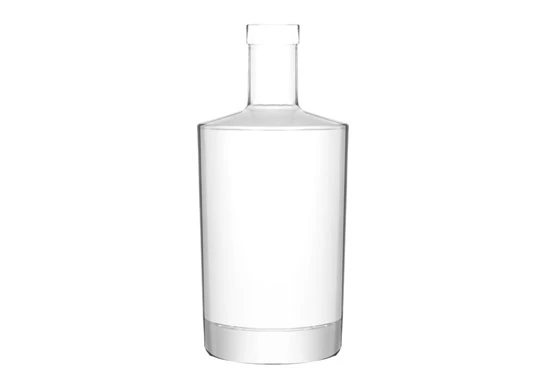
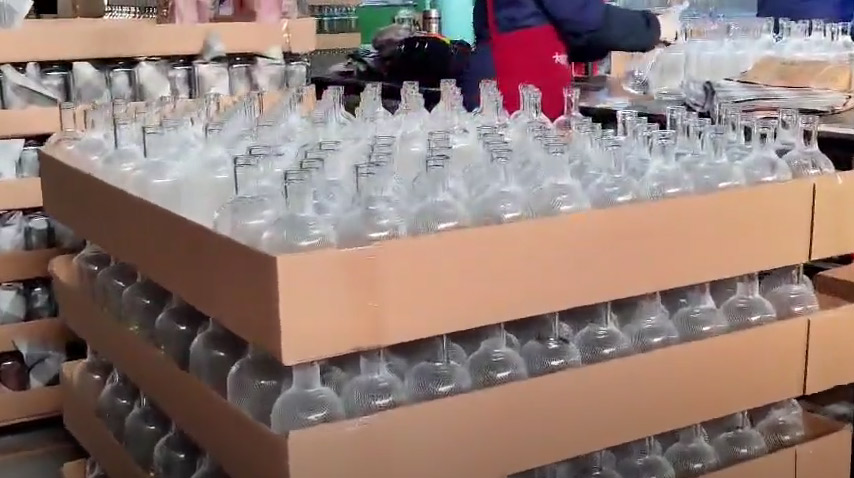
At RSG Bottle, we supply wholesale 750ml liquor bottles for whisky, gin, vodka, rum, tequila, and brandy. Buyers can choose from existing designs or explore custom options for their own brands. We also offer matching closures and export packaging to help simplify bulk purchasing.
For businesses with regular production schedules, bulk supply helps keep packaging costs under control. Larger orders may offer more competitive unit prices and make purchasing easier to plan. They can also reduce the need for frequent reordering.
Consider a distillery preparing for a new product launch before the holiday season. It may need thousands of bottles, matching caps, and cartons ready for filling on a fixed date. Confirming the quantity, specifications, and delivery schedule early helps avoid production delays.
When requesting a quotation, buyers should provide the target quantity, bottle style, glass quality, decoration requirements, and destination port. These details help the supplier calculate pricing and shipping costs more accurately. Comparing complete specifications is more useful than comparing unit prices alone.
A distinctive bottle helps a spirits brand stand out on retail shelves. Even small design details can make a difference, from the shape of the shoulders to the thickness of the base. The design should reflect the brand while remaining practical for production and transportation.
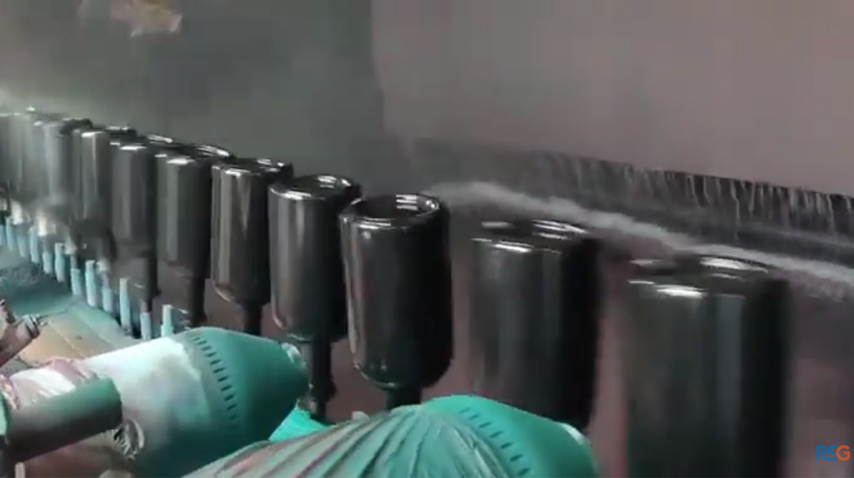
Several customization options are available for glass liquor bottles. Screen printing works well for brand names and decorative graphics. Embossed logos create a permanent feature in the glass, while frosting, matte finishes, and colored spraying offer additional ways to develop a unique look.
For example, a premium whisky brand may prefer a heavy-base bottle with an embossed logo. A craft gin producer might choose a clear bottle with a frosted finish and simple printing. The right option depends on the target market, budget, and expected order volume.

Logo placement also requires attention. Glass molds are generally made in sections, so text placed across a mold seam may not align perfectly. Reviewing the artwork and bottle drawing before mold production can help prevent unnecessary changes later.
Glass clarity and bottle weight influence both appearance and cost. Standard flint glass is a practical option for many everyday spirits products. Extra-flint glass provides a clearer, whiter appearance and is often preferred for premium packaging.
Bottle weight should match the product's positioning. A heavier bottle can create a more substantial feel, but it also increases shipping weight. For large orders, this may affect freight costs and the number of bottles loaded into a container.
The best choice balances appearance, durability, and logistics. A well-proportioned bottle with a clean finish can look premium without being unnecessarily heavy. When comparing suppliers, check the glass type, weight, capacity, and key dimensions.
Key measurements include bottle height, body diameter, base dimensions, and neck finish. These affect conveyor handling, filling position, and capping performance. The neck finish must also match the selected closure, whether it is a screw cap or a compatible cork stopper.
Label application is another practical consideration. The bottle should have enough suitable surface area for the label, and embossed details should not interfere with label placement. If the design differs from the bottle currently used on the line, sample testing is recommended.
For example, a contract bottler may need to adjust equipment when introducing a bottle with a different height or diameter. Checking technical drawings before mass production helps identify potential problems early. It can save time and reduce the risk of costly production interruptions.
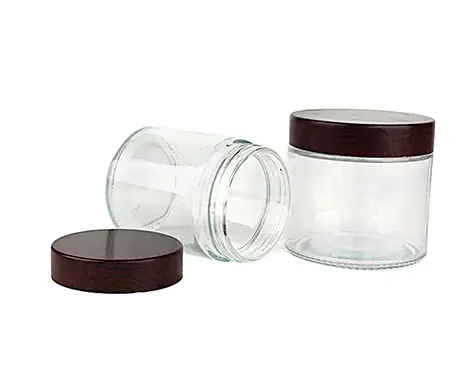
A complete packaging solution involves more than the glass bottle. Closures must fit the neck correctly, while cartons and dividers must protect the bottles during storage and transportation. Planning these components together makes bulk purchasing more manageable.
Depending on the bottle design, buyers may choose aluminum caps, other suitable screw closures, natural cork, or synthetic cork. Closure dimensions and compatibility should be confirmed before production. Samples can help verify the fit and appearance.
Export packaging also deserves attention. Suitable cartons, internal dividers, and pallet arrangements help reduce the risk of breakage during handling. Buyers should confirm the packing method and estimated container quantity when reviewing a quotation.


For importers, the overall landed cost matters more than the bottle price alone. Bottle weight, carton size, loading efficiency, and freight charges can all affect the final cost per unit.
Existing bottle designs are often a sensible starting point for new brands or smaller orders. They usually avoid the additional investment and lead time required for a new mold. Custom printing or surface decoration can still give the packaging a recognizable identity.

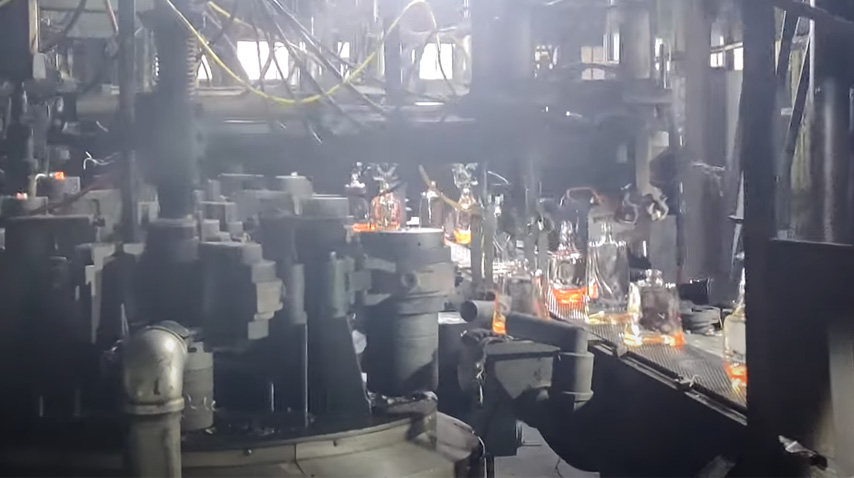
For established brands with specific design requirements, a custom mold offers greater flexibility. Buyers can provide drawings, reference photos, or an initial concept for technical review. The development process generally includes drawing confirmation, mold production, sample making, and approval.
Mold costs and lead times depend on the design and production requirements. Buyers should account for these stages when planning a product launch. Expected annual demand is also worth considering before committing to a custom bottle.
A competitive quotation is important, but consistent quality and dependable delivery matter just as much. Buyers should work with suppliers who can clearly confirm specifications, production schedules, and packaging details. Good communication becomes particularly important when an order includes several bottle styles or decoration methods.
Before placing an order, confirm the bottle drawing, glass type, weight, dimensions, logo details, closure specifications, and packing method. Request samples if the bottle needs to fit an existing filling line or meet specific presentation requirements.
It is also helpful to clarify the minimum order quantity, mold charges, payment terms, and shipping arrangements. These details make it easier to compare suppliers and plan purchasing budgets.
RSG Bottle works with international buyers looking for wholesale 750ml liquor bottles and reliable bulk supply. Whether you need standard bottles for regular production or custom designs for a new spirits brand, we can discuss options based on your requirements.
To receive a quotation, share your target quantity, preferred bottle style, glass quality, logo requirements, closure type, and destination port. Drawings or reference photos are helpful if you have a specific design in mind.
We can discuss suitable bottle designs, decoration methods, matching closures, and export packaging for your project. Contact RSG Bottle to explore a practical packaging solution for your next order.
The MOQ depends on the bottle design, decoration method, and production requirements. Standard bottles may offer more flexible purchasing options than fully customized designs. Contact us with your target quantity to confirm availability and pricing.
Yes. Options may include screen printing, embossed glass logos, frosting, and colored spraying. The suitable method depends on your design, budget, and order volume.
Compatibility depends on the bottle dimensions, neck finish, and closure requirements. Review the technical drawing before mass production, and test samples when introducing a new bottle design.
Yes. Matching closures and export cartons can be included in the packaging plan, subject to the selected specifications. Confirming all components together helps simplify purchasing and shipment planning.