 English
 français
 Deutsch
 Español
 italiano
 русский
 português
 tiếng việt
 Türkçe
 Polska
 Indonesia
E-mail:
info@rsgbottle.com
EN

Working with either type of supplier can be a reasonable choice. The key is understanding what you are paying for and whether the supplier can meet your requirements. If you need custom glass bottles, stable production, or long-term cooperation, knowing how to identify a real factory becomes especially important.
So, how can you tell whether a glass bottle supplier is a real manufacturer or simply a trading company? Here are several practical ways to check before placing your order.
The first step is to check the company's legal registration. A genuine glass bottle manufacturer should have a registered business entity with a clear business scope. Depending on the country, the registration may include manufacturing, glass production, packaging production, or related industrial activities.
Ask the supplier for a copy of its business license or company registration details. Check the registered company name, address, and business activities. These details should be consistent with the information on its website and commercial documents.
However, registration alone is not enough. Some trading companies may also register business activities related to manufacturing. You should use this information as a starting point rather than making a final decision based on one document.
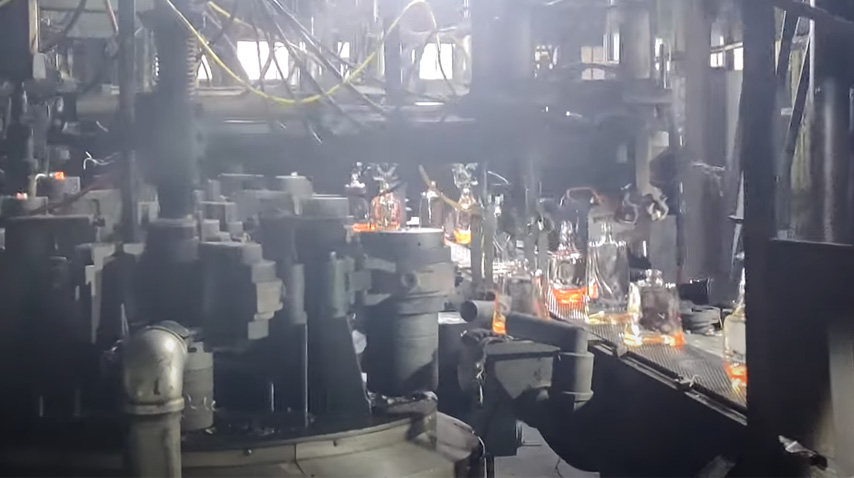
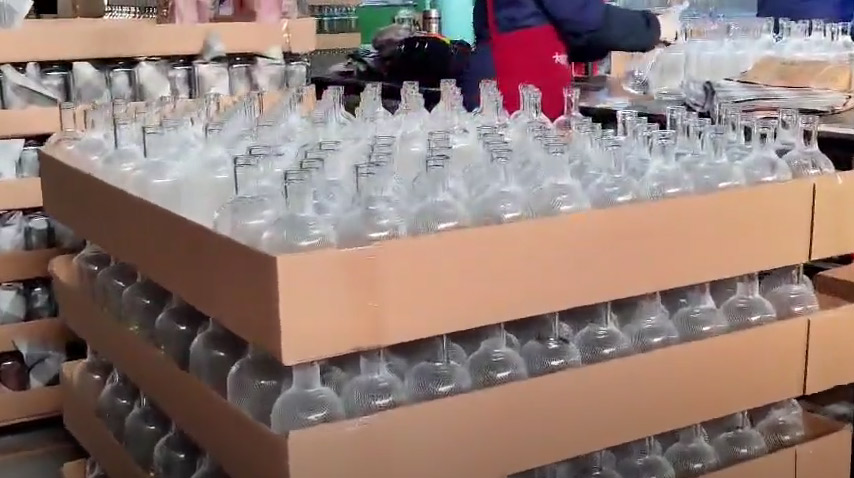
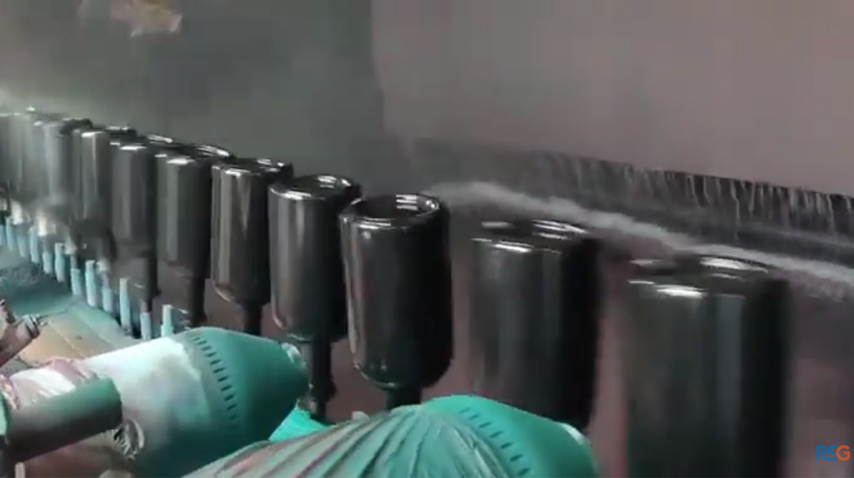
A real glass bottle factory should be able to show you its production environment. Ask for recent photos or videos of the factory, production lines, warehouse, and finished products. These materials can help you understand the company's actual manufacturing capabilities.
Pay attention to the details in the images. Do you see glass melting furnaces, bottle-forming machines, annealing lehrs, inspection equipment, and packaging areas? These are important parts of a glass bottle production facility.
Be careful with suppliers who only provide product catalog pictures or polished promotional videos. Such materials do not necessarily prove factory ownership. You can also request a short live video call to see the production workshop in real time.

A live factory video tour is one of the most practical ways to verify a supplier. It allows you to see the production environment without immediately traveling overseas. You can ask the supplier to walk through different areas of the facility during the call.
For example, ask to see the raw material storage area, melting furnace, bottle-forming machines, annealing line, quality inspection area, and finished goods warehouse. A genuine manufacturer should be familiar with these processes and able to explain how production works.
You can also ask questions about daily production capacity and current manufacturing schedules. The answers should be clear and consistent. If a supplier repeatedly avoids showing its production facilities, it may be worth investigating further.
A professional glass bottle manufacturer should understand the complete production process. This includes raw material preparation, glass melting, forming, annealing, inspection, and packaging.
Ask how the supplier produces its bottles and what equipment it uses. For example, does it use automatic bottle-forming machines? How are bottles cooled after forming? What inspection methods are used to identify cracks, bubbles, or dimensional problems?
The supplier should also understand important technical details. These include bottle weight, capacity, neck finish, wall thickness, and dimensional tolerances.
A trading company may also have experienced technical staff. However, if the supplier cannot explain basic manufacturing details or answer technical questions, you should investigate its production arrangements more carefully.
Custom bottle development is an important factor when choosing a glass bottle manufacturer. If you want a unique bottle shape, embossed logo, or special bottle structure, you need a supplier with reliable mold development capabilities.
Ask whether the company has an in-house mold development team or works with an external mold supplier. Both arrangements can work, but you should understand how the process is managed.
A capable manufacturer should be able to discuss 3D drawings, mold design, prototype development, sample testing, and final production. It should also explain how changes to the bottle design affect the mold and production cost.
For spirits brands, custom bottle shapes and embossed details can help create a recognizable product identity. A supplier with strong technical coordination can make the development process easier and reduce communication problems.

Price is another useful reference when evaluating a glass bottle supplier. A trading company usually adds its own service margin to the factory price. A direct manufacturer may offer a more competitive price for certain orders.
However, a lower quotation does not automatically mean the supplier is a real factory. Manufacturing costs depend on many factors, including bottle weight, glass color, production quantity, mold requirements, and additional decoration.
When comparing quotations, make sure the specifications are the same. Check the bottle capacity, weight, neck finish, packaging method, order quantity, and decoration requirements.
You should also ask whether the quotation includes mold costs, sample fees, inspection costs, and shipping arrangements. A transparent quotation is often more valuable than an unusually low price.
Production capacity is an important consideration, especially for buyers who need regular shipments. A real manufacturer should have a reasonable understanding of its production capacity and available production schedules.
Ask how many bottles can be produced per day or per month. You can also ask how long it normally takes to complete a standard order. For custom bottles, the supplier should explain the additional time required for mold development and sample approval.
Remember that production capacity varies by bottle design and production conditions. A small bottle and a heavy glass spirits bottle may require different production arrangements.
Do not rely only on large numbers in a sales presentation. Ask for realistic production schedules and how the supplier handles urgent orders or unexpected production delays.
Quality control is one of the most important parts of glass bottle manufacturing. Even bottles with attractive designs may cause problems if their dimensions, strength, or appearance are inconsistent.
Ask the supplier how it checks finished products. Common inspection points include bottle capacity, height, diameter, weight, wall thickness, neck dimensions, surface defects, and overall appearance.
You can also ask whether the factory performs checks for cracks, bubbles, deformation, and other visible defects. For products requiring specific performance standards, discuss the appropriate testing requirements before production.
A professional manufacturer should have a clear quality control process. It should also be able to explain how defective products are identified and handled.

Certifications can provide additional information about a supplier's management systems and production standards. Depending on the company and its products, relevant documents may include ISO management system certificates and applicable food-contact compliance documents.
For glass bottles used in food and beverage packaging, ask about the materials and testing requirements relevant to your target market. FDA-related requirements, for example, should be discussed in the context of the actual product and its intended use.
Always check the issuing organization, certificate number, validity period, and scope. Make sure the documents belong to the company you are evaluating.
Keep in mind that a trading company may also hold valid certifications. Therefore, certificates should support your investigation rather than replace factory verification.
Samples are one of the most effective ways to evaluate a glass bottle supplier. They allow you to check the actual product rather than relying entirely on pictures and descriptions.
When receiving samples, examine the bottle shape, glass clarity, weight, thickness, finish, and neck dimensions. If you need custom decoration, check the logo, embossing, frosting, coating, or printing as well.
For spirits and beverage packaging, the bottle should also match your filling and closure requirements. Make sure the neck finish is compatible with your selected cap or closure.
If possible, test the sample with your filling equipment and packaging process. This can help identify potential problems before mass production begins.
If the order value is significant, visiting the factory can provide additional confidence. You can inspect the production environment, meet the technical team, and discuss your project face to face.
During the visit, compare the actual factory with the information provided during earlier discussions. Check whether the production equipment, warehouse, and staff match the supplier's description.
If traveling is not convenient, consider hiring an independent inspection company. A third-party inspector can verify the factory address, production facilities, and product quality.
For international buyers, this can be a practical way to reduce sourcing risks. It is particularly useful when developing custom glass bottles or placing large-volume orders.
A glass bottle factory and a trading company can both provide useful services. However, their business models are different.
A manufacturer generally controls or directly manages production. It may have greater involvement in mold development, production planning, quality control, and manufacturing schedules.
A trading company usually purchases products from one or more factories. Its main strengths may include communication, supplier coordination, product sourcing, and export services.
Neither model is automatically better for every buyer. A trading company may be suitable for small orders involving several product categories. A direct manufacturer may be more suitable for buyers who need customized bottles, detailed technical communication, and long-term production cooperation.
The most important thing is to understand who actually manufactures your bottles and who is responsible for quality and delivery.
Before choosing a supplier, pay attention to several possible warning signs.
First, be cautious if the supplier refuses to provide its registered company information or factory address. Second, investigate further if it cannot arrange a live factory tour or provide credible production evidence.
Third, check whether the supplier's technical answers are consistent. If it cannot explain bottle specifications, mold development, or quality inspection, you may need more information before proceeding.
Finally, be careful with quotations that are significantly lower than other offers without a clear explanation. Unclear payment terms, unrealistic delivery promises, and incomplete product specifications are also reasons to slow down.
A reliable supplier should be willing to communicate openly and provide reasonable supporting information.
Finding the right glass bottle supplier requires more than comparing prices. You need to understand the company's business model, production capabilities, quality control procedures, and ability to support your packaging requirements.
A real factory should be able to provide credible production information, explain its manufacturing process, and demonstrate how it manages quality. A trading company may also be a good partner, provided that its manufacturing sources and responsibilities are transparent.
Before placing a large order, take time to verify the supplier, review samples, confirm specifications, and discuss delivery arrangements. These simple steps can help reduce risks and build a stronger business relationship.
RSG Glass specializes in glass packaging solutions for spirits, beverages, and food products. With more than 10 years of industry experience, we support customers with bottle customization, product development, and export services.
Our product range covers different capacities, from 50ml small bottles to 3L glass containers. We work with customers on bottle shapes, embossed logos, neck finishes, and other customized packaging requirements.
We focus on practical manufacturing details, including bottle consistency, dimensional accuracy, appearance, and packaging requirements. Our team can assist with the process from initial design discussions to sample development and export-ready orders.
Whether you are looking for whiskey bottles, tequila bottles, gin bottles, brandy bottles, or other glass packaging, RSG Glass is ready to discuss your project.
Looking for a reliable glass bottle manufacturer?
Contact RSG Glass to discuss your bottle design, capacity, order quantity, and customization requirements.
Ask for its business registration, factory address, production photos, and live video tour. You can also check its manufacturing equipment, production process, and quality control procedures. A factory visit or third-party inspection can provide further verification.
Buying directly from a manufacturer can provide better access to production information and technical communication. It may also help reduce additional sourcing costs. However, the right choice depends on your order size, customization needs, and service requirements.
Yes. A trading company can work with reliable manufacturers and provide good products. The important point is to understand which factory produces your bottles and how quality problems are handled.
You can request a business license, relevant management system certificates, product specifications, quality inspection reports, and applicable food-contact compliance documents. The exact documents depend on your product and destination market.
Many manufacturers offer custom bottle development. Services may include 3D design support, mold development, prototype samples, embossed logos, and special surface treatments. Always confirm the available services and related costs before starting.
Request physical samples and check their dimensions, weight, appearance, neck finish, and glass clarity. If your project requires specific performance standards, discuss suitable testing methods with the supplier.
The minimum order quantity depends on the bottle design, production process, mold requirements, and factory arrangements. Standard bottles may have more flexible quantities, while fully customized designs often require higher production volumes. Ask the supplier for a quotation based on your specific requirements.
A factory visit is recommended for large or long-term projects. It allows you to understand the production facilities and communicate directly with the team. If visiting is not possible, a live video tour or independent factory inspection is another option.