 English
 français
 Deutsch
 Español
 italiano
 русский
 português
 tiếng việt
 Türkçe
 Polska
 Indonesia
E-mail:
info@rsgbottle.com
EN

The whiskey market is highly competitive. Many brands offer products with similar colors, flavors, and alcohol content. Packaging gives each brand an opportunity to express its own character. A carefully designed bottle can communicate quality before a customer even opens it.
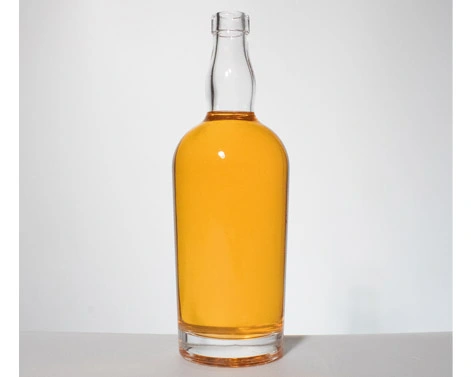
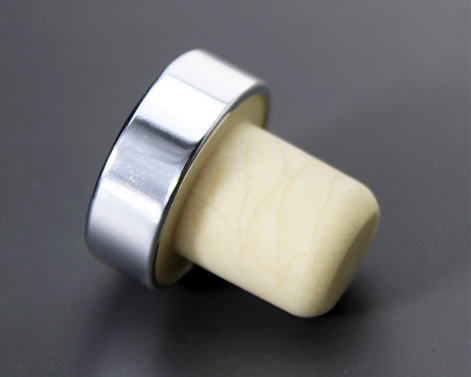
Premium whiskey bottles often feature thick glass, elegant shapes, and carefully selected closures. Some brands prefer a classic appearance with clean lines and simple details. Others choose bold shapes and decorative finishes to create a modern look. The right design depends on the target market and the story behind the whiskey.
For high-end products, small details can make a difference. A distinctive shoulder, a heavy base, or a custom logo can improve the overall appearance. When these features work together, the bottle becomes part of the brand experience. Good packaging can also support a consistent visual identity across different product lines.
Custom embossed labels use raised or recessed details to create a textured appearance. These details can include brand names, logos, decorative patterns, and other design elements. They allow customers to see and feel the details of a product. This tactile effect can give packaging a more distinctive and refined appearance.
The term can refer to several different packaging techniques. Embossed paper labels use raised areas on a separate label attached to the bottle. Debossed labels feature details pressed inward. Glass embossing, by contrast, creates raised or recessed designs directly on the glass surface, usually through a custom mold.
For whiskey packaging, these options offer different advantages. Embossed paper labels provide flexibility in color, material, and graphic design. Embossed glass creates a permanent feature that becomes part of the bottle itself. Brands can select one technique or combine both for a more detailed presentation.
Understanding these differences is important when working with a B2B packaging supplier. The best choice depends on the bottle design, production budget, branding goals, and expected order quantity. A supplier with custom glass manufacturing experience can help buyers evaluate suitable options.
A recognizable logo helps customers identify a whiskey brand. When the logo appears as a raised detail on glass, it can become a memorable part of the packaging. Customers may recognize the bottle through its shape and texture, even before reading the full label. This is especially useful for brands seeking a distinctive appearance.
Embossed designs can also communicate a brand's history. A distillery might use a traditional emblem, a founding date, or a regional symbol. A contemporary whiskey brand may prefer geometric patterns or a minimalist logo. These design choices help connect the physical bottle with the brand's personality.
Consistency is equally important. The bottle, label, closure, and outer packaging should work together visually. A detailed glass design may pair well with a simple paper label. Alternatively, a clean bottle can provide a background for a richly textured label. Both approaches can work when the overall design remains balanced.
For B2B buyers, the goal is to create packaging that customers can recognize and remember. Customization should support the brand rather than add unnecessary decoration. A clear design direction also makes communication with manufacturers easier.
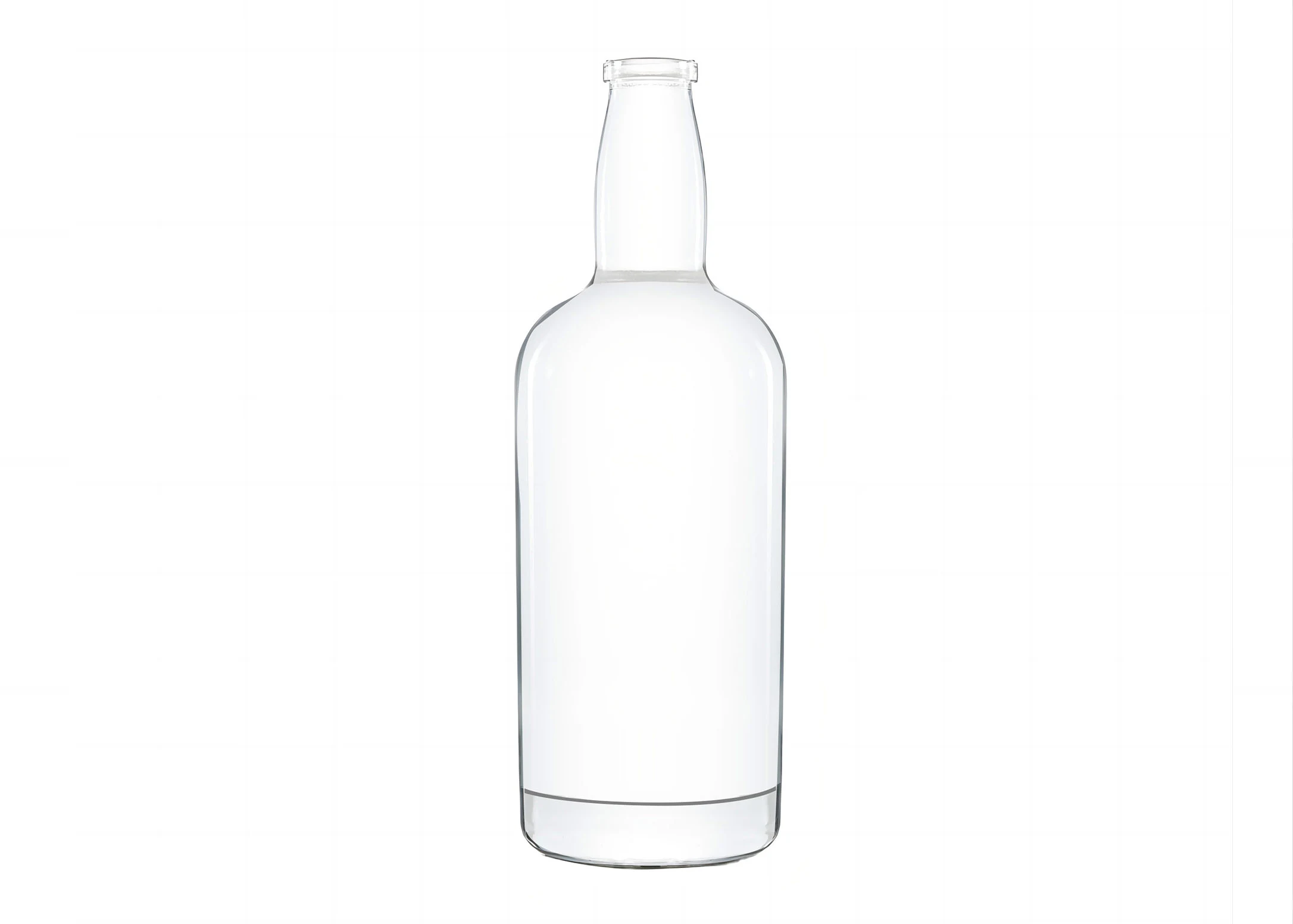
The bottle shape is one of the first elements customers notice. Traditional whiskey bottles often feature broad shoulders, straight sides, and a substantial base. These shapes can create a sense of stability and heritage. More unusual designs can help newer brands establish their own visual identity.
Capacity is another important consideration. A 700 ml or 750 ml bottle may suit many retail markets, depending on local regulations and sales channels. Smaller formats can work well for gift sets, tasting collections, and travel retail. Larger bottles may appeal to bars, hospitality businesses, or special-edition releases.
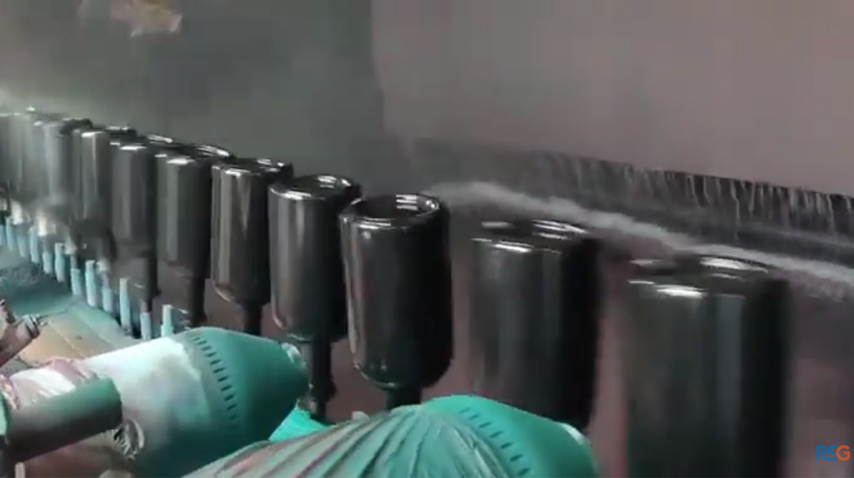
Glass thickness also affects the bottle's appearance and performance. A heavier base can create a solid, premium feel, but additional glass increases weight and material use. The bottle must also meet practical requirements for filling, handling, storage, and transportation. A good manufacturer balances appearance with production feasibility.
Color and surface finish provide further customization options. Clear glass highlights the whiskey's natural color. Amber or other colored glass can create a different visual effect and may provide additional protection from light, depending on the glass composition. Frosted surfaces, textured patterns, and carefully placed embossing can further distinguish the design.
Before choosing a bottle, buyers should consider their target customers, filling equipment, closure requirements, and shipping conditions. These factors help determine whether a standard bottle or a fully custom design is the better option.

Both techniques can create attractive packaging, but they serve different purposes. Embossed paper labels are useful when brands need detailed graphics, multiple colors, or frequent design updates. They can also be produced in different paper stocks and finishes. This flexibility makes them suitable for seasonal releases and changing product collections.
Embossed glass offers a different advantage. The design is formed directly into the bottle, so it does not depend on an applied label remaining in place. This can be useful for brands that want a permanent logo or signature pattern. However, the design usually requires suitable mold development and careful consideration of manufacturing limits.
Cost is another factor. Paper labels may be more economical for smaller production runs or frequently changing designs. Custom embossed glass may require an initial investment in mold development, making order volume an important part of the decision. The final cost depends on the bottle design, tooling, quantity, and finishing requirements.
Some premium whiskey brands combine both methods. A molded glass logo can provide a permanent brand signature, while an embossed paper label supplies product information and decorative details. This approach creates multiple layers of visual interest without relying on a single feature.
The best solution is not always the most elaborate one. Buyers should compare appearance, production costs, durability, and flexibility before making a final choice.
Finding the right B2B supplier is essential for a successful packaging project. A reliable manufacturer should understand both the visual requirements and the practical demands of glass production. Buyers should review the supplier's experience with spirits bottles, mold development, quality control, and export orders. Clear communication is also important throughout the project.
Start by sharing your basic requirements. These may include bottle capacity, preferred shape, logo placement, glass color, closure type, and estimated order quantity. Reference images or preliminary drawings can help the supplier understand your expectations. The more clearly you describe the project, the easier it becomes to evaluate suitable solutions.
Ask about samples and design development before confirming a large order. A sample can help you assess the bottle's proportions, finish, and overall appearance. For a custom bottle, confirm whether the sample is a visual prototype or a production-equivalent sample. This distinction matters because the two may not have identical material or performance characteristics.
Quality assurance should also be discussed. Important checks may include dimensions, weight, visual defects, neck finish, and compatibility with the intended closure. Buyers should ask which inspections are included and whether relevant test reports or quality documents are available. Specific requirements should be agreed upon before production begins.
Finally, compare more than the unit price. Mold costs, packaging, lead time, shipping, and minimum order quantity can all affect the total project cost. A dependable supplier should explain these factors clearly and provide a quotation based on the actual specifications.
A fully custom whiskey bottle usually begins with a design concept. The brand may provide a drawing, a reference bottle, or a description of its preferred appearance. The manufacturer then evaluates whether the concept can be produced using glass-forming processes. Adjustments may be needed to improve strength, manufacturability, or filling performance.
Mold development is particularly important for embossed glass. Fine details must be designed with the manufacturing process in mind. Extremely small features or complicated shapes may not reproduce as intended. The manufacturer can help determine suitable logo dimensions, embossing depth, and placement.
The next step is sample evaluation. Buyers should review the overall shape, surface details, weight, and compatibility with the closure. If the design does not meet expectations, revisions may be needed before mass production. Confirming the design early helps reduce avoidable changes later.
Production planning should also account for quality consistency. The first approved sample should serve as a reference for the agreed specifications. Buyers and manufacturers should document important dimensions, finish requirements, and acceptance criteria. This creates a clearer standard for future orders.
A well-managed development process helps turn a creative concept into a practical packaging solution. It also makes communication between the brand, designer, and glass manufacturer more efficient.
The cost of custom embossed labels or glass bottles depends on several variables. Bottle capacity, shape complexity, glass weight, and finishing requirements all influence pricing. The order quantity can also affect the unit cost. Buyers should therefore provide accurate specifications when requesting a quotation.
Custom glass embossing may involve mold development costs. The amount depends on the bottle design, mold structure, and manufacturing requirements. For larger production runs, the initial tooling cost may be spread across more units. For smaller orders, a standard bottle with a customized label may be a more practical alternative.
Labels have their own cost factors. Paper type, embossing complexity, printing colors, adhesive requirements, and order quantity can affect the final price. Special finishes may increase both production cost and lead time. Buyers should evaluate whether each feature contributes meaningful value to the brand.
Shipping should not be overlooked. Glass is relatively heavy and requires suitable protective packaging. Bottle dimensions also influence how efficiently products can be packed into cartons and shipping containers. Comparing the full landed cost gives buyers a more realistic view than comparing bottle prices alone.
When requesting a quote, include the estimated quantity, destination, required delivery date, and any special packaging needs. This information helps the supplier prepare a more accurate offer and identify possible cost-saving opportunities.
Many brands are exploring ways to make packaging more distinctive while managing material use. Lightweight glass can reduce shipping weight when the design and performance requirements allow it. Recycled glass content may also support a brand's environmental objectives. However, any sustainability claim should reflect the actual materials and production practices used.
A premium appearance does not always require a heavier bottle or complex decoration. Thoughtful proportions, a clear logo, and a carefully selected closure can create an elegant result. Embossed details can add visual interest without covering the entire bottle with decorative elements. This can help maintain a clean and recognizable design.
Brands should also consider the full product lifecycle. Packaging needs to protect the whiskey, work with filling and capping equipment, and withstand normal distribution conditions. Attractive design is valuable, but it must be supported by practical performance. A balanced approach can help brands develop packaging that is both distinctive and commercially viable.

An experienced manufacturer can help buyers move from an initial idea to a finished bottle. This includes evaluating design feasibility, recommending glass specifications, developing molds, and coordinating sample approval. Early technical advice can reduce unnecessary revisions. It can also help align the packaging concept with the project's budget and production schedule.
For international buyers, export experience is another useful consideration. Packaging protection, production planning, documentation, and shipping coordination all affect the delivery process. Buyers should confirm these arrangements before placing an order. Clear expectations help reduce misunderstandings during production and shipment.
A long-term supplier relationship can also support future product development. Once the main bottle specifications are established, brands may explore new sizes, decorative finishes, or related packaging designs. Working with a consistent manufacturing partner can make these changes easier to manage. The result is a more coordinated approach to product packaging.
Frequently Asked Questions (Q&A)
1. What are custom embossed labels for whiskey bottles?
Custom embossed labels feature raised details, such as logos, lettering, or decorative patterns. They are usually made from paper or another label material. If the design is formed directly into the glass, it is more accurately described as embossed glass rather than an embossed label.
2. Are embossed glass designs suitable for premium whiskey bottles?
Yes. Embossed glass can create a distinctive texture and make a brand logo more memorable. It is suitable for many premium whiskey bottle designs. The final result depends on the mold design, glass-forming process, and technical specifications.
3. What is the difference between embossed labels and embossed glass?
Embossed labels are separate materials applied to the bottle. Embossed glass features raised or recessed details formed directly into the glass. Labels generally offer more flexibility in printing and design changes, while glass embossing creates a permanent feature.
4. Can I customize the shape and logo of a whiskey bottle?
Yes. Many glass manufacturers offer custom bottle shapes, logo embossing, and other design options. Custom projects may require mold development and sample approval. Buyers should provide reference images, drawings, capacity requirements, and estimated quantities.
5. What is the minimum order quantity for custom whiskey bottles?
The minimum order quantity varies by manufacturer and project. Standard bottles with customized labels may have different minimums from bottles requiring a new mold. Ask the supplier for its MOQ, tooling costs, and pricing at different order quantities.
6. How much does a custom embossed whiskey bottle cost?
Pricing depends on bottle size, glass weight, mold requirements, decoration, order quantity, and shipping. A standard bottle with a customized label may have a lower initial cost. A fully custom embossed glass bottle may require a higher upfront investment.
7. Can I request samples before placing a bulk order?
Many suppliers can provide samples for evaluation. Standard bottle samples may be available more quickly than samples for new custom designs. Confirm sample fees, shipping costs, and whether the sample reflects the final production specifications.
8. How do I choose a reliable B2B supplier for premium whiskey bottles?
Look for experience in spirits packaging, clear technical communication, consistent quality control, and export capabilities. Request samples and a detailed quotation. Confirm the mold ownership terms, production schedule, packaging method, and quality requirements before placing your order.
Partner with RSG Glass for Custom Whiskey Bottle Solutions
Choosing the right bottle is an important step in building a premium whiskey brand. From distinctive glass shapes to custom embossed logos, every detail can help communicate your brand's identity. The right packaging should also meet your quality, production, and budget requirements.
RSG Glass specializes in custom glass packaging solutions for spirits, beverages, and food products. With experience in bottle design, mold development, and glass manufacturing, RSG Glass supports customers in developing packaging that matches their branding and functional needs.
Whether you need premium whiskey bottles, custom glass embossing, or a tailored bottle design, RSG Glass can help you explore suitable options. Share your preferred bottle style, capacity, logo requirements, and estimated order quantity to discuss your project.
Contact RSG Glass today to start developing your next custom whiskey bottle.