 English
 français
 Deutsch
 Español
 italiano
 русский
 português
 tiếng việt
 Türkçe
 Polska
 Indonesia
E-mail:
info@rsgbottle.com
EN

Custom bottle shapes and embossed details offer more ways to express a brand's identity. Whether you are launching a new gin or upgrading existing packaging, the right glass bottle can make a lasting impression. This guide explores bottle design options, embossing techniques, material considerations, and how to choose a reliable manufacturing partner.
The 750ml gin bottle is a popular format in many spirits markets. It provides a practical balance between product capacity, shelf presence, and packaging costs. This size is suitable for craft gin, premium gin, botanical gin, and many other spirits products. It also offers enough space for creative bottle designs and attractive labels.
For growing brands, a 750ml bottle can support consistent packaging across different sales channels. It works well for retail stores, bars, restaurants, and online spirits businesses. A distinctive bottle can also help customers recognize your product more easily. Choosing the right design from the beginning can support long-term brand development.
Bottle shape is one of the first things customers notice. A unique silhouette can communicate a brand's personality before customers read the label. Some brands prefer a classic, elegant appearance, while others want a modern or unconventional style. A professional manufacturer can help develop a shape that matches your market positioning.
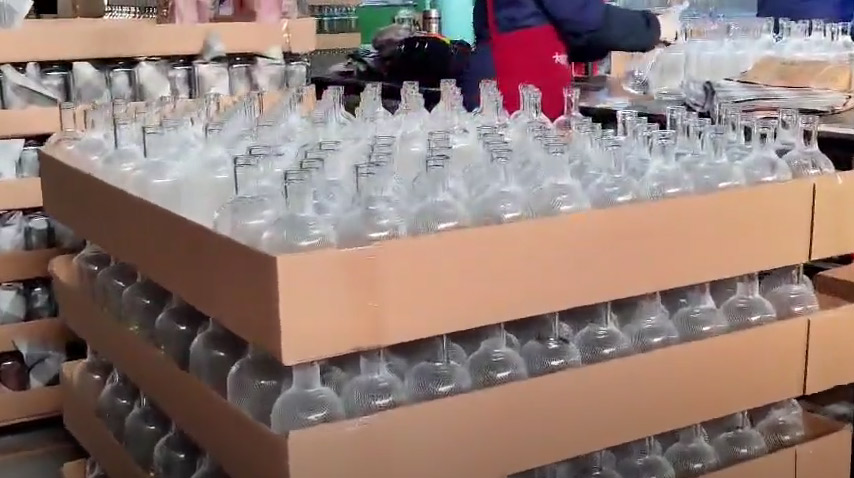
Round gin bottles offer a timeless appearance. Their smooth curves suit traditional gin brands and botanical-inspired packaging. They are also versatile for different label designs and decorative finishes.
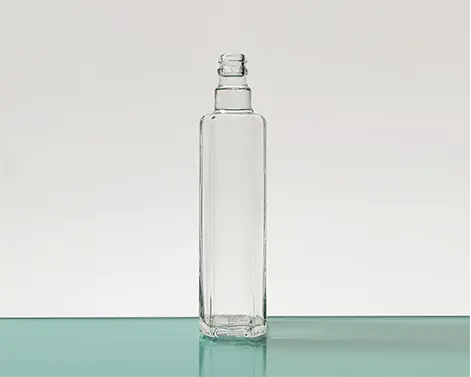
Square gin bottles create a clean and structured look. Their straight sides provide useful space for labels and branding elements. This shape is often suitable for contemporary and premium spirits packaging.
Rectangular gin bottles offer a strong shelf presence. Their defined edges can create a bold, modern appearance. They can also help brands establish a recognizable visual identity.
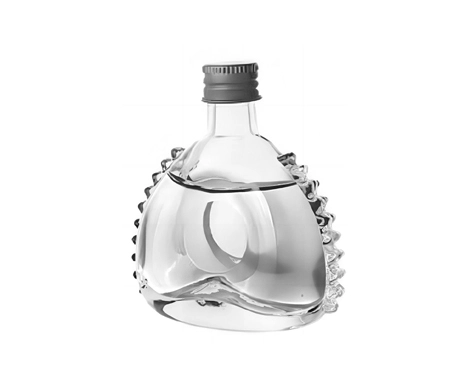
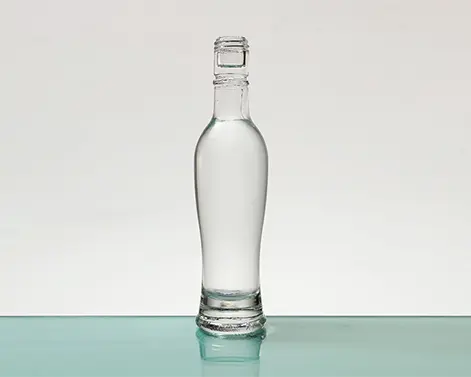
Unique custom-shaped bottles allow greater creative freedom. A brand may choose an unusual shoulder, a distinctive base, or a specially designed body. These details can help create a more memorable product.
When developing custom bottle shapes, appearance should not be the only consideration. Bottle stability, filling requirements, production feasibility, and shipping efficiency also matter. An experienced manufacturer can help balance visual appeal with practical performance.
Embossing is a popular way to create distinctive glass packaging. It forms raised patterns, logos, or lettering directly on the glass surface. This technique adds texture and visual depth without relying entirely on printed graphics. It can make a gin bottle feel more distinctive in the hand.
Many brands use embossed logos to strengthen brand recognition. A raised company name, botanical pattern, or signature symbol can become part of the bottle's identity. Embossing can also work well with transparent glass, colored glass, and selected surface treatments. The final result depends on the artwork, mold design, and production process.
Embossing creates a raised design as part of the glass structure. Printing applies ink or other decorative materials to the bottle surface. Each method offers different advantages.
Embossing provides a tactile finish and can remain visually consistent with the glass itself. Printing allows more flexibility with colors, fine details, and graphic elements. Some brands combine both techniques to achieve a distinctive appearance.
Before production, discuss your logo size, lettering details, and preferred placement with your manufacturer. Fine lines and small text may need adjustments for reliable production. A suitable design should look attractive while remaining practical to manufacture.
A good-looking bottle must also perform well during filling, storage, transportation, and use. Glass quality is therefore an essential part of product development. Consistent dimensions and suitable wall thickness help support reliable production. The bottle should also be designed for the intended filling line and closure system.
Clear glass is a common choice for gin because it displays the liquid's appearance. Flint glass can provide a clean, premium presentation. Colored glass may be appropriate when a brand wants a different visual style or additional light protection, depending on the glass color and product requirements.
The bottle base, neck finish, and shoulder design deserve careful attention. These features affect stability, closure compatibility, and handling. Your manufacturer should confirm the relevant dimensions before mass production. Sample testing can help identify potential issues early.
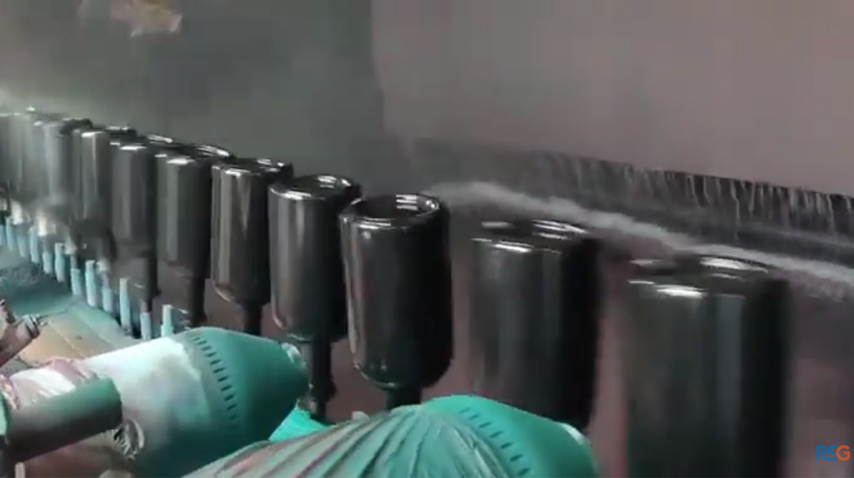
Custom bottle shapes are only one part of the packaging design. Surface finishes and accessories can further distinguish your product. Depending on the bottle design, available options may include frosting, color coating, screen printing, and other decorative treatments. Each option creates a different visual effect.
A frosted finish gives the bottle a soft, refined appearance. Screen printing can display brand names and decorative graphics directly on the glass. Color coating offers additional design possibilities, while embossed details provide texture. The best combination depends on your branding goals and budget.
Closures are equally important to the overall design. Options may include cork stoppers, synthetic closures, and other compatible systems. Material, dimensions, sealing performance, and filling requirements should be considered together. Your manufacturer can help coordinate the bottle neck with a suitable closure.
Developing a custom gin bottle usually begins with a clear design brief. Share your preferred bottle shape, capacity, target market, and brand positioning. Reference images, sketches, and logo files can help communicate your ideas. These details give the manufacturer a starting point for evaluating the project.
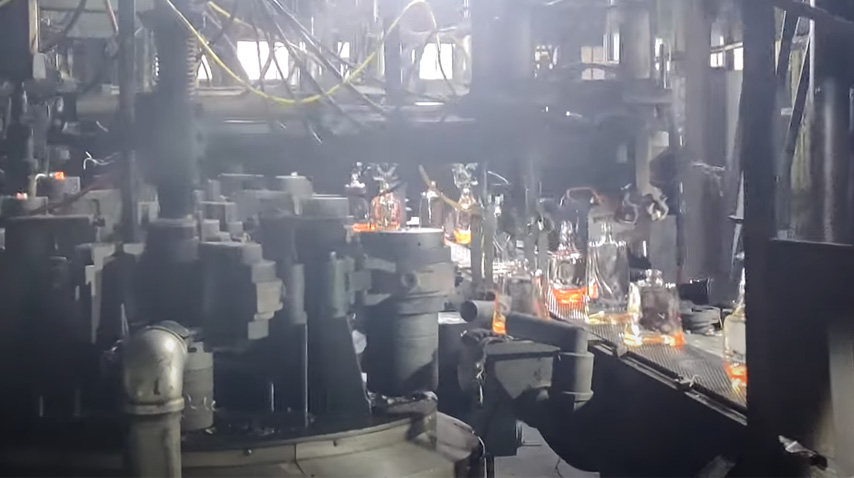
The next step is to review the design and production requirements. The manufacturer may suggest changes to improve stability, glass distribution, or manufacturing feasibility. Once the design is confirmed, a dedicated mold may be required for a new bottle shape. Mold costs and development times depend on the complexity of the design.
A physical sample allows you to evaluate the bottle before placing a bulk order. Check the appearance, dimensions, weight, closure fit, and label placement. If the bottle will run on an existing filling line, compatibility testing is also important. Approving the sample helps reduce avoidable problems during mass production.
After approval, production planning can begin. Confirm the order quantity, packaging method, inspection requirements, and delivery schedule. Discussing these details early helps keep the project organized. Clear communication between the brand and manufacturer is essential throughout the process.
Selecting the right manufacturing partner can affect both product quality and project efficiency. Look for a supplier with experience in spirits packaging and custom glass bottle development. Review its available bottle designs, decoration options, quality control procedures, and export experience. These factors can help you assess whether the supplier fits your project.
Customization capability is particularly important for brands seeking distinctive packaging. Ask whether the manufacturer can support custom molds, embossed logos, and different surface finishes. It is also useful to understand its minimum order quantity and sample policy. These details help you plan your budget and launch schedule.
Communication is another important factor. A reliable supplier should explain technical requirements and provide clear quotations. Confirm what the quotation includes, such as the bottle, mold, decoration, packaging, and shipping arrangements. Comparing suppliers on these details can help you make a more informed decision.
Different gin brands require different packaging strategies. Craft distilleries may prefer a distinctive bottle that reflects their local identity. Premium brands may focus on heavy bases, elegant proportions, and detailed embossing. Contemporary brands may choose clean lines and minimalist decoration.
For private-label projects, packaging should also match the intended retail price and customer expectations. A custom bottle does not always need a complicated shape. Sometimes, a simple silhouette with a well-placed embossed logo creates a stronger result. The goal is to make the bottle recognizable without adding unnecessary complexity.
Sustainability can also influence bottle development. Lightweight glass designs may reduce material use and transportation weight when properly engineered. Recycled glass content may be another option, subject to the manufacturer's capabilities and the product's quality requirements. Discuss these priorities early to find a suitable balance between design, performance, and environmental goals.
The cost of a custom gin bottle depends on several factors. These may include bottle weight, shape complexity, mold development, order quantity, and decorative treatments. Embossing, special colors, and additional finishing processes can affect the final price. Packaging specifications and shipping distance also influence the overall project cost.
For a new custom design, mold development is usually a separate consideration. A simpler design may be easier to manufacture than a bottle with complex contours or detailed raised lettering. Larger order quantities may help spread certain setup costs across more units. However, the actual pricing structure varies by supplier and project.
To receive an accurate quotation, provide your target capacity, reference design, estimated quantity, and decoration requirements. Include your preferred closure and delivery destination if known. The manufacturer can then evaluate the project more effectively. A clear specification also makes supplier quotations easier to compare.
Packaging is more than a container for your gin. It helps communicate your brand story and creates the first physical connection with customers. A well-designed 750ml bottle can combine practical performance with a distinctive appearance. Custom shapes and embossing offer useful ways to achieve that balance.
Before finalizing your design, consider your target audience, shelf presentation, production needs, and budget. Work with a manufacturer that understands both the creative and technical sides of glass packaging. Request samples when possible and confirm key specifications before approving mass production. Careful planning can help you develop packaging that supports your brand over time.
Yes. A custom 750ml gin bottle can be developed around your preferred shape, dimensions, and brand identity. A new design may require a dedicated mold. The manufacturer will assess the design's feasibility, production requirements, and expected order quantity before confirming the project.
Yes. An embossed logo can be incorporated into the glass mold to create raised lettering or graphics. The design should be reviewed for size, depth, and detail before production. A sample can help you evaluate the final appearance and confirm that it meets your expectations.
Provide the bottle capacity, reference images or drawings, estimated order quantity, and desired decoration. If you need a particular closure or packaging method, include those details as well. With this information, the manufacturer can assess the project and prepare a more accurate quotation.
RSG Glass specializes in glass packaging solutions for spirits, beverages, and food products. We support brands looking for custom bottle shapes, embossed logos, and tailored packaging designs. From initial concept discussions to sample development and bulk production, our team works to meet each project's design and functional requirements.
Whether you need a classic 750ml gin bottle or a distinctive custom design, RSG Glass can help you explore suitable options. Share your bottle concept, target quantity, and preferred finish with us to discuss your project.
Contact RSG Glass to start developing your custom 750ml gin bottle and create packaging that reflects your brand.